I still remember the first time I heard someone ask if you can overdose on Molly. I thought people only ran into trouble when they took huge amounts, but it doesn’t work that way.
You may feel the same way and want clear, simple answers without fear or confusion. This topic matters because a lot of people use Molly without understanding how dose, heat, water intake, and hidden additives can push the body past a safe limit.
You and I both know how fast things can change when the body reacts in an unexpected way. This guide walks you through the risks, signs, and safer habits tied to Can You Overdose on Molly? So let’s get started with the basics.
Can You Overdose on Molly?
Yes, you can overdose on Molly, and it can happen faster than most people expect.
Molly affects how your brain handles serotonin, which controls mood, body temperature, and heart rate. When levels rise too high, your body can struggle to stay cool and balanced.
Overdose often happens when someone takes a high dose, takes more before the first dose wears off, or uses Molly in a hot place where the body heats up quickly.
Dehydration makes the risk higher, and drinking too much water can also create danger. Mixing Molly with alcohol or other drugs adds more strain on your heart.
Even first-time users can overdose because purity varies and many batches contain unknown substances.
Why Molly Overdoses Happen
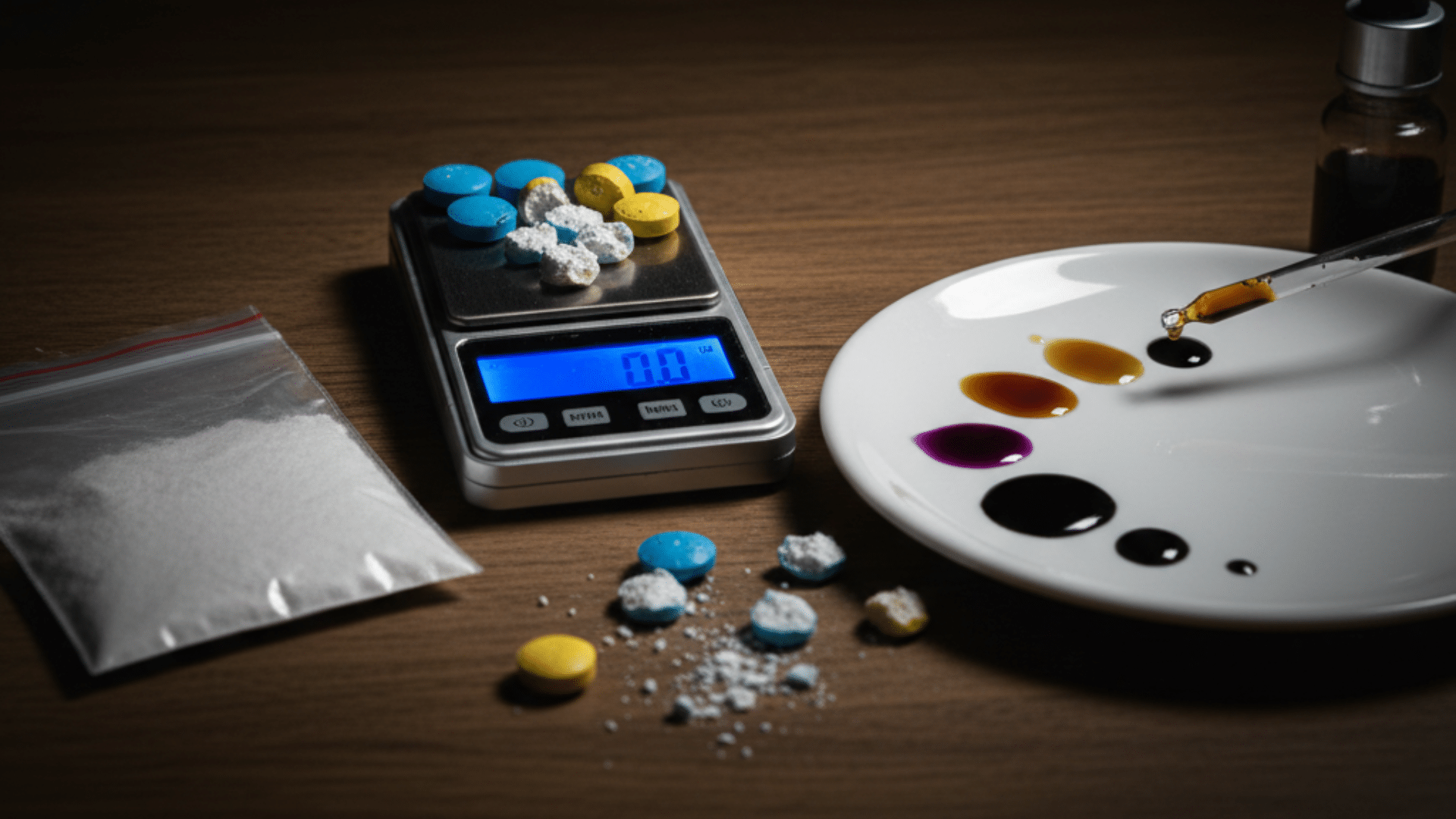
Molly overdoses happen when the body can’t handle the drug’s effects, often due to dose strength, heat, dehydration, or unsafe mixes.
1. High or Unknown Dose
There is no set amount of Molly that works safely for everyone. Pills and powders vary widely, and strength can change from one batch to another. A dose that feels normal one time may hit harder the next time.
Taking more before the first dose settles increases strain on your body. Because there is no way to judge strength by sight, you can take far more than expected without realizing it. This makes overdose more likely, even for experienced users.
2. Hidden Additives
Many products sold as Molly contain other drugs that increase danger. Common additives include PMA, meth, cathinones, and fentanyl. These substances place extra pressure on your heart, raise your temperature quickly, and create unpredictable reactions.
Some additives stay active much longer than MDMA, which increases the chance of a serious emergency. Because you cannot see or taste these ingredients, you may take a harmful mix without knowing it. This risk makes overdose possible even at low amounts.
3. Overheating
Molly affects how your body controls temperature, making it easier to get hot quickly. This becomes a major issue in places where people dance for long periods or stay close to large crowds.
Heat builds up faster than the body can release it, and sweating may not cool you enough. As your temperature rises, organs begin to struggle and may stop working. This is one of the most common reasons Molly use turns into an emergency.
Overheating can happen within minutes.
4. Dehydration or Overhydration
Using Molly in warm settings can lead to heavy sweating, which causes dehydration. When you lose too much fluid, your body struggles to stay cool, and your heart works harder.
Some people drink large amounts of water to stay safe, but this can also create danger. Too much water can lower sodium levels in your blood, a condition called hyponatremia. This leads to swelling in the brain, confusion, seizures, or collapse.
Both extremes increase overdose risk.
5. Mixing Drugs or Alcohol
Combining Molly with alcohol, caffeine, stimulants, or certain antidepressants increases stress on your heart and brain. Alcohol dries out your body, making overheating more likely. Stimulants raise your heart rate, which can push your system past a safe limit.
Some antidepressants can interact with MDMA and raise serotonin levels too high. When these substances mix, the effects become stronger and more unpredictable. This combination raises the chance of overdose even if the amount of Molly seems small.
Signs and Symptoms of a Molly Overdose
These signs help you spot danger early, understand how the body reacts to Molly, and know when immediate medical help is needed.
Heat-Related Symptoms
These signs show your body is getting too hot and struggling to cool down safely.
- High body temperature
- Hot or flushed skin
- Dizziness
- Severe sweating or sudden lack of sweating
Heart and Body Symptoms
These signs show your heart, muscles, and organs are under heavy strain from the drug.
- Fast heartbeat
- High blood pressure
- Chest pain
- Seizures
- Trouble breathing
- Vomiting
Mental and Behavioral Signs
These signs show your brain is overwhelmed and losing normal control of thoughts and actions.
- Agitation
- Confusion
- Panic
- Paranoia
- Hallucinations
- Loss of consciousness
Life-Threatening Emergency Signs
These signs show a medical emergency that needs fast help to prevent serious harm or death.
- Seizures
- Extreme overheating
- Passing out
- Irregular heartbeat
- Unresponsiveness
Serious Medical Complications from MDMA Overdose

An MDMA overdose can lead to several dangerous problems that develop quickly and place the body under extreme stress. Severe hyperthermia is one of the most common issues, where body temperature rises so fast that organs begin to fail.
The kidneys and liver can struggle to clear toxins, which can lead to long-term damage. Serotonin syndrome may also appear and cause confusion, stiffness, and rapid changes in heart rate.
Drinking too much water can lower sodium levels in the blood, which affects brain function and may lead to seizures. Heart rhythm problems can start without warning, making breathing harder.
In the most serious cases, an overdose can lead to coma or death if help is not given quickly.
How Much Molly is Too Much?
There is no clear amount of Molly that can be considered safe for every person or every situation. The strength of pills and powders changes often, and two products that look the same can affect the body in very different ways.
Even amounts that some people call “typical” can hit much harder depending on your weight, health, or environment. Purity also plays a major role, since many batches contain extra substances that make the effects stronger or longer lasting.
Re-dosing before the first dose places even more pressure on your heart and temperature control. This can push your body past a safe limit without warning.
First-time users are not protected, since the mix, strength, and added chemicals change from batch to batch.
Harm Reduction Tips to Lower Risk
Test first: Use a testing kit to check purity and reduce the chance of taking harmful additives.
Avoid mixes: Stay away from alcohol, stimulants, or other drugs that add extra stress on your body.
Stay cool: Take breaks from dancing, rest in cooler spots, and watch for rising body heat.
Sip water: Drink small amounts slowly to avoid dehydration or drinking too much at once.
Wait longer: Avoid re-dosing quickly, since the first dose may still be rising in your system.
Stay together: Use Molly only with trusted friends and never alone, so someone can get help if needed.
Know signs: Learn early signs of overheating, such as dizziness, hot skin, or sudden lack of sweating.
Long-Term Risks After an MDMA Overdose or Heavy Use
These points explain how continued use can affect your mood, memory, sleep, and overall health long after the drug wears off.
- Mood changes or depression: Long-term use can lower serotonin levels, which may lead to sadness, low energy, irritability, or emotional ups and downs.
- Memory issues: Some people notice trouble remembering details, learning new information, or keeping track of daily tasks.
- Sleep problems: Changes in brain chemicals can lead to trouble falling asleep, staying asleep, or feeling rested.
- Difficulty concentrating: You may find it harder to stay focused, process information, or complete tasks that require mental effort.
- Potential dependency or cravings: Some users feel drawn to repeat the experience, which may lead to stronger cravings over time.
- Strain on heart and liver: Heavy use places pressure on these organs, raising the risk of long-term damage or ongoing health problems.
These long-term effects may appear slowly, so paying attention to changes in your mood and health is important.
When to Seek Medical or Mental Health Help
You should reach out for medical help after any overdose, even if the person seems better later.
Some problems develop slowly, and early care can prevent serious harm. If symptoms such as confusion, dizziness, body heat changes, or trouble thinking continue for more than 48 hours, a doctor can check for hidden issues.
It’s also important to get support if your use starts increasing or feels harder to manage. These changes may signal that your body and mind are struggling to recover.
Ongoing anxiety, sadness, or trouble coping after using Molly should not be ignored, as these feelings can last longer than expected.
Talking with a doctor or mental health professional can help you stay safe and understand what your body needs.
Conclusion
I hope everything here gave you a clearer picture of how Molly affects your body and why an overdose can happen so quickly.
The main idea is simple: the mix, strength, and setting all play a big role in how your body responds. You saw how heat, hydration, added substances, and re-dosing can raise the risk, and why noticing early signs can help you stay safer.
My goal was to make Can You Overdose on Molly? easier for you to understand without confusion or fear.
If you want to keep learning, you can check out other guides that cover health, safety, and harm-reduction topics. I’d love to hear what part stood out to you the most.