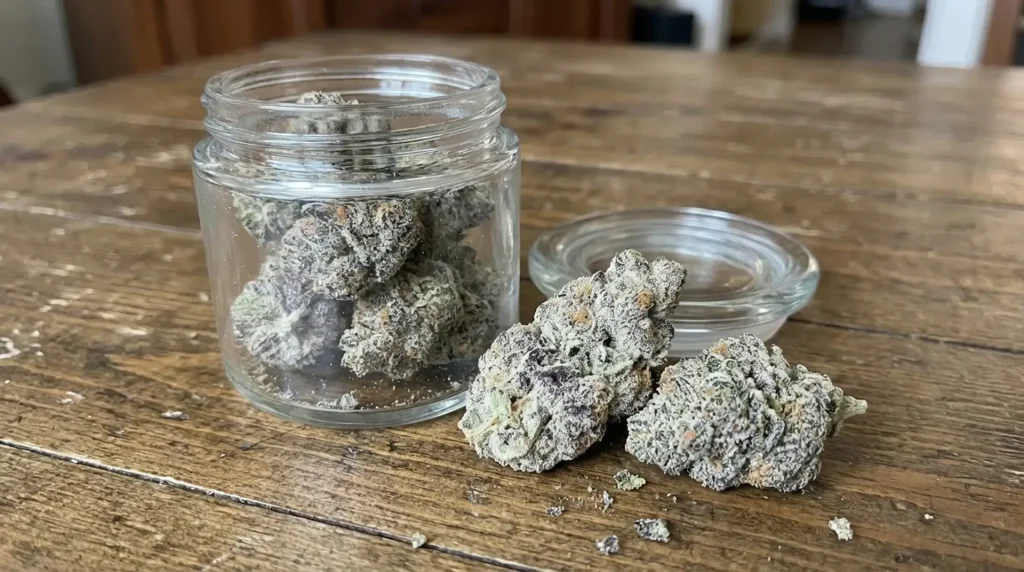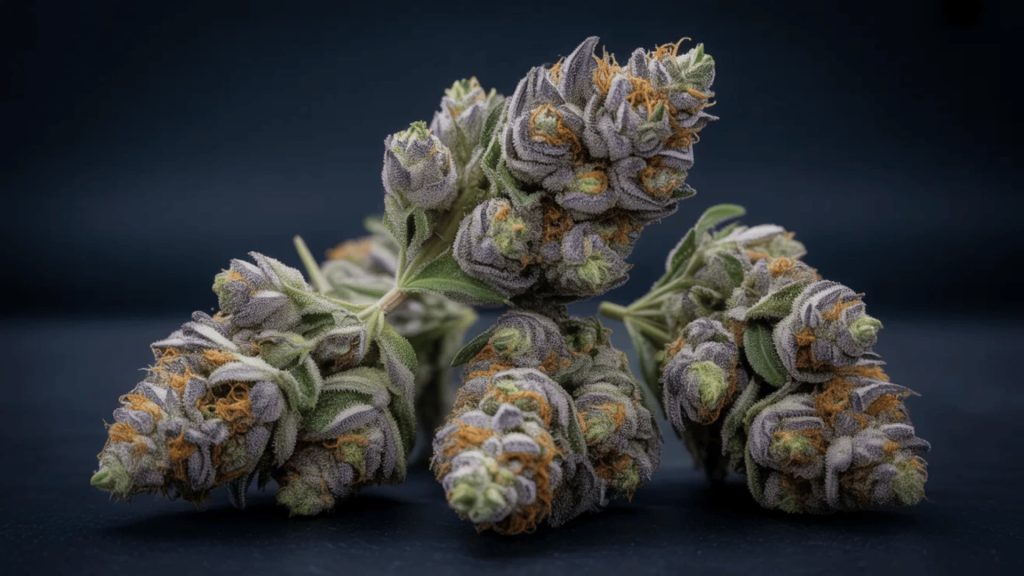
I’ve always wondered, can you be allergic to weed? Especially as cannabis becomes more popular for both medical use and fun.
It turns out the answer isn’t just “maybe”; science shows that some people’s immune systems treat cannabis like a harmful invader. That mistake can trigger reactions similar to hay fever, asthma, skin rash, or even more serious symptoms.
I’ll break down what medical research and scientific studies say about weed allergy, including what causes these reactions, how doctors diagnose them, and what you can do if you think weed is making you sick.
DISCLAIMER: This information is for education only and isn’t a substitute for medical advice. Always consult a healthcare professional before making any changes to your treatment.
Why Your Body Reacts to Cannabis
A weed allergy occurs when your immune system mistakenly identifies cannabis proteins as dangerous invaders, triggering an unnecessary and often uncomfortable physical defense.
Poorly stored cannabis can also develop mold contamination, which serves as a hidden secondary allergen that causes significant respiratory or skin irritation.
Additionally, frequently touching, smoking, or handling the plant can sensitize your system, making a reaction more likely to develop over a longer period.
Ultimately, your immune system responds to these proteins as if they were a virus or bacteria, attempting to protect you from a harmless plant.
Believe it or not, your immune system can get confused. Some cannabis proteins resemble those in allergens like peaches, tomatoes, or birch pollen. If you’re allergic to these, your body might mistakenly see cannabis as harmful.
What Research and Studies Say About This Allergy

Science now confirms that a weed allergy is real, even if it’s still considered rare. Researchers and doctors have studied how cannabis affects the immune system, and here’s what they found:
- Cannabis proteins can trigger allergies: A study published in the Journal of Allergy and Clinical Immunology: In Practice found that cannabis proteins like Can s 3, profilin, and related plant allergens can trigger immune reactions.
- Different types of reactions: Some people get Type 1 reactions, immediate symptoms like sneezing, hives, or itchy eyes. Others might get Type 4 reactions, which are delayed and show up as skin rashes or eczema.
- Underreported cases: Many people experience mild reactions and never see a doctor, so the actual number of cases is probably higher than reported.
In short, research shows that a weed allergy is real and can affect people in different ways, from mild to more serious reactions. Understanding these findings can help you recognize symptoms and take steps to stay safe if you’re sensitive to cannabis.
Common Symptoms to Watch For
A weed allergy can show up in different ways depending on how you come into contact with cannabis. Here’s a clear breakdown:
| Exposure Type | Common Symptoms |
| Smoke or pollen | Sneezing, coughing, wheezing, asthma flare-ups, congestion |
| Skin contact | Hives, rashes, itching, eczema, or contact dermatitis |
| Eyes | Redness, itching, swelling, watery eyes |
| Edibles | Nausea, vomiting, itchy mouth, and rare severe reactions |
Basically, if your body reacts every time you’re around weed through smoke, touch, or food, it might not be a coincidence. Paying attention to these signs is the first step in staying safe.
How Doctors Diagnose These Reactions

If you suspect a weed allergy, your doctor will review your medical history and symptoms, including when and how reactions occur. Here’s how they test for it:
- Skin Prick Test: This is the most common test. The doctor places a tiny amount of cannabis extract on your skin and pricks it lightly to see if there’s a reaction.
- IgE Blood Test: This test checks for allergy markers in your blood and helps determine if your immune system is reacting to cannabis or other allergens.
- Symptom Tracking: Doctors may also track your symptoms over time, especially if you’ve had repeated reactions.
These tests help doctors confirm if you have a weed allergy, identify what triggers reactions, and suggest ways to manage symptoms safely and effectively.
Treatment and Management Options
If you think you have a weed allergy, the first step is knowing how to manage it. Here’s what doctors recommend:
- Avoidance: The simplest and most effective method is to stay away from cannabis, avoid smoking, touching, or eating it. If you work with the plant, wear gloves, masks, and protective clothing.
- Medications for Mild Symptoms: Antihistamines can help with sneezing, itchy eyes, or hives. Over-the-counter creams or lotions may soothe mild skin reactions.
- Inhalers for Respiratory Issues: People with asthma or breathing problems may need a rescue inhaler if smoke or pollen triggers symptoms.
- Emergency Care: Rare but serious reactions like anaphylaxis require immediate use of epinephrine and calling 911.
The key takeaway: knowing your triggers and acting quickly can keep you safe and comfortable.
When to See a Doctor
If you think you might be allergic to weed, it’s important to know when to get medical help. Watch out for serious symptoms like trouble breathing, swelling of the lips or throat, severe hives, or stomach cramps after eating cannabis.
Some people should be extra careful, especially those with asthma or known food allergies, since cross-reactions can happen. Don’t ignore repeated or severe symptoms. A doctor or allergist can help identify the cause and run the right tests.
The Bottom Line
I’ve seen the research, and here’s the truth regarding the question: can you be allergic to weed? It is absolutely real, even if it doesn’t happen to everyone. Your immune system can react to certain cannabis proteins just like it does to pollen or some foods.
For some people, a weed allergy involves mild symptoms, but for others, it can be serious. The key is listening to your body. Don’t ignore repeated sneezing, skin reactions, or breathing problems.
Getting medical advice when needed can help you stay safe and make better choices. Understanding how your body reacts to weed makes it easier to enjoy cannabis safely.
If you found this guide helpful, consider sharing it with friends or family. You can also explore more health research and articles to stay informed and make better choices for your well-being.