Have you noticed bladder discomfort after a night out and asked yourself can drinking alcohol cause a UTI? I’m here to give you the straight answer.
The connection between alcohol and urinary tract infections isn’t always clear. Many people confuse bladder irritation with an actual infection. Understanding the real relationship between drinking and UTIs helps you make better choices.
Alcohol affects your body in ways that can increase infection risk. But it’s not as simple as alcohol directly causing bacteria to appear.
Your urinary health depends on multiple factors working together. Let me break down everything you need to know about alcohol and UTI risk.
This information is for educational purposes only and should not replace professional medical advice. Always consult your doctor for proper diagnosis and treatment of urinary tract infections or related health concerns.
Understanding UTIs: The Basics
A urinary tract infection, or UTI, happens when bacteria get into your urinary system and cause an infection. Your urinary tract includes your bladder, urethra, and kidneys. Most UTIs affect the bladder and urethra. But sometimes they can spread to your kidneys, which is more serious.
You might notice a burning feeling when you pee. You may feel like you need to go all the time. Your urine could look cloudy or smell strong. You might also feel pain in your lower belly or pelvic area.
Most UTIs are caused by E. coli bacteria. These bacteria normally live in your gut. But they can travel to your urethra and move up into your bladder. Once inside, they multiply and cause infection.
Can Drinking Alcohol Cause a UTI?
No, drinking alcohol doesn’t directly cause a UTI. Bacteria are what actually cause the infection, not the alcohol itself. But alcohol can make you more likely to get a UTI.
Research published in the National Library of Medicine found that people who drink heavily experience more frequent urinary tract infections.
The study observed defects in the body’s immune defense mechanisms among those with alcoholism. This makes it harder to fight off bacterial infections like UTIs.
Alcohol also creates other conditions that favor bacterial growth in your urinary system. While drinking won’t give you a UTI on its own, it does increase your risk. The connection between heavy drinking and UTIs is well-documented in medical research.
If you’re prone to UTIs, limiting alcohol intake may help reduce your chances of getting another infection.
How Alcohol Affects Your Urinary Tract?

I know alcohol doesn’t directly cause UTIs, but it does affect your urinary system in several ways. Here’s how drinking can increase your risk:
1. Alcohol and Dehydration
Alcohol makes you pee more often because it acts as a diuretic. This might sound good for flushing out bacteria. But it actually causes dehydration. When you’re dehydrated, you produce less urine overall.
Less urine means bacteria stay in your bladder longer. This gives them more time to multiply and cause infection. Your body needs plenty of fluids to keep flushing bacteria out naturally.
2. Alcohol and Bladder Irritation
Alcohol can irritate the lining of your bladder. This irritation makes your bladder more sensitive and uncomfortable. You might feel like you need to pee urgently. You could also experience burning sensations when you urinate.
These symptoms feel similar to a UTI. The irritation can make existing UTI symptoms feel even worse. Your bladder becomes inflamed and reacts more strongly to any bacteria present in your urinary tract.
3. Alcohol’s Impact on Your Immune System
Drinking alcohol weakens your immune system’s ability to fight off infections. Even one night of heavy drinking can suppress your immune response for up to 24 hours. Frequent or heavy drinking causes longer-term damage to your body’s defenses.
A weakened immune system struggles to stop bacteria from causing UTIs. This makes you more vulnerable to infections. Your body produces fewer antibodies and immune cells needed to protect against harmful bacteria.
Can Alcohol Make an Existing UTI Worse?
Yes, drinking alcohol when you have a UTI can make things worse for you. It’s best to avoid alcohol until your infection clears up completely.
Alcohol irritates your bladder even more than it’s already irritated from the infection. This means your symptoms get more uncomfortable. The burning and urgent need to pee can feel much stronger.
Alcohol also slows down your recovery time. It dehydrates your body when you need fluids the most. It weakens your immune system when you need it to fight bacteria.
On top of that, alcohol can mess with your antibiotic treatment. Your medication may not work as effectively. You might experience uncomfortable side effects like upset stomach or headaches. Wait until you finish your antibiotics and feel better before having a drink.
Types of Alcohol and UTI Risk
Not all alcoholic drinks affect your UTI risk the same way. Different types have different effects on your bladder and urinary system:
| Type of Alcohol | Main Irritant | Diuretic Effect | UTI Risk Level | Key Impact |
|---|---|---|---|---|
| Beer | Carbonation | Moderate | Moderate | Bubbles irritate the bladder lining and increase the urge to pee. |
| Wine | Acidity | Moderate | Moderate-High | Acid irritates bladder walls. White wine is more acidic than red. |
| Hard Liquor | High alcohol content | Very High | High | Causes rapid dehydration and concentrated urine. Weakens the immune system faster. |
Remember that all alcohol has a diuretic effect that makes you lose fluids. Drinking plenty of water helps counter this dehydration and reduces your UTI risk.
Who is More Likely to Get a UTI From Drinking Alcohol?
I want you to know that some people are at higher risk than others when it comes to alcohol and UTIs. Here’s who should be extra careful:
- Frequent UTI sufferers: If you’ve had multiple UTIs before, drinking alcohol can trigger another infection more easily.
- Women: Women have shorter urethras than men, which means bacteria travel less distance to reach the bladder.
- Weakened immune systems: If you’re stressed, sick, or not sleeping well, alcohol weakens your defenses even more.
- Older adults: As you age, your immune system naturally becomes weaker, and alcohol makes it harder to fight infections.
If you fall into any of these categories, limiting your alcohol intake can significantly reduce your UTI risk.
How to Reduce UTI Risk When Drinking Alcohol?
You don’t have to give up alcohol completely to protect yourself from UTIs. Following these simple steps can help lower your risk:
- Drink plenty of water: Alternate each alcoholic drink with a full glass of water to stay hydrated and flush bacteria out.
- Use the bathroom regularly: Don’t hold your urine when you feel the urge, as this allows bacteria to multiply in your bladder.
- Practice good hygiene: Always wipe front to back after using the bathroom to prevent bacteria from entering your urinary tract.
- Limit your alcohol intake: Stick to moderate drinking limits and avoid binge drinking to reduce dehydration and immune system impacts.
I recommend making these habits part of your routine whenever you drink. Your body will thank you for taking these preventive steps.
Signs Your Symptoms May Not Be a UTI
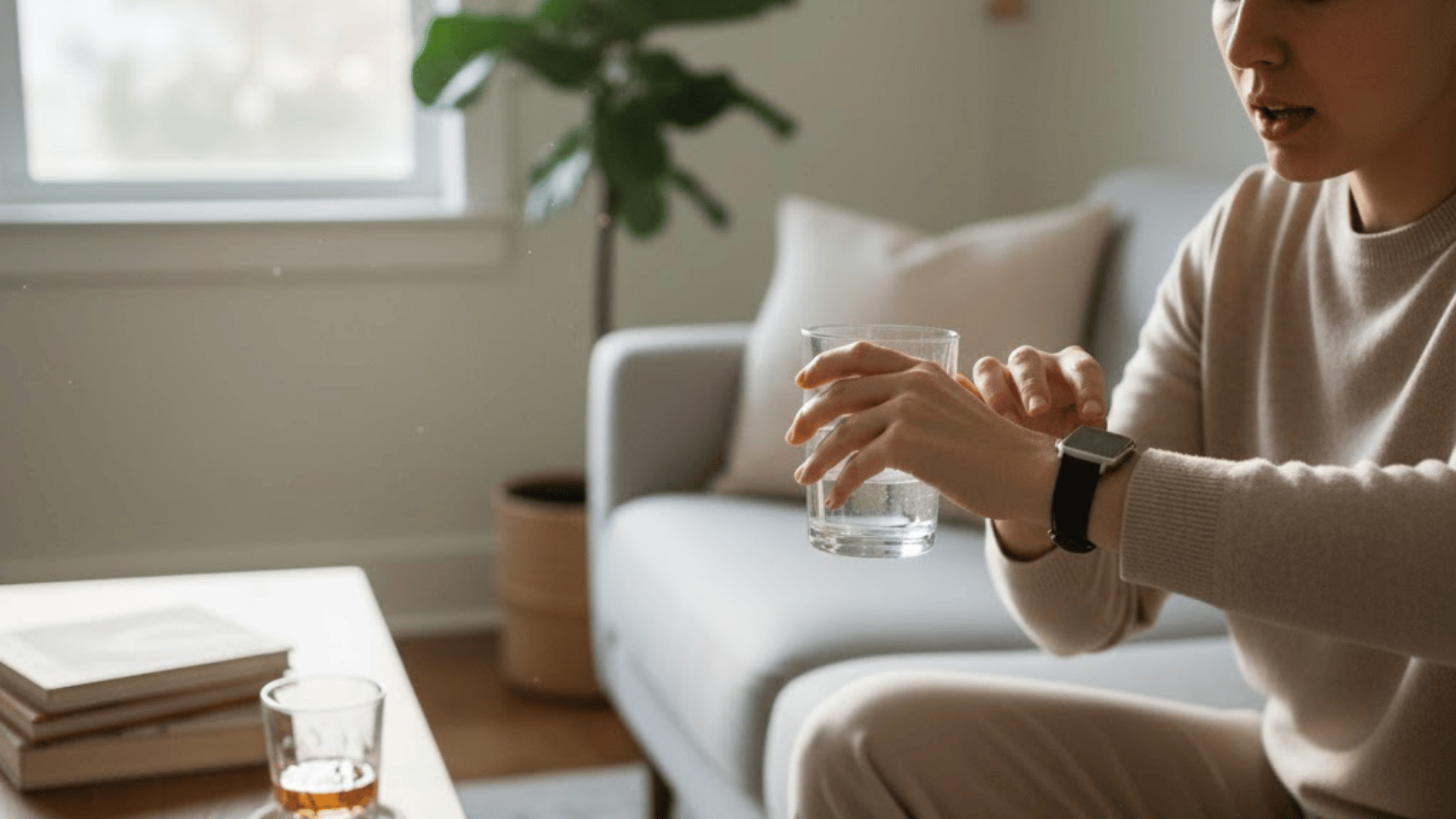
Sometimes what feels like a UTI might just be bladder irritation from drinking alcohol. The symptoms can feel very similar. You might experience burning when you pee, urgency, or discomfort. But these don’t always mean you have an infection.
Here’s how to tell the difference. If your symptoms start improving after you drinkwater and stop drinking alcohol, it’s probably just irritation. Real UTIs don’t go away with hydration alone. They need antibiotics to clear up.
Alcohol-related irritation usually fades within a day or two of staying hydrated. A true UTI will persist and may get worse over time.
If you’re unsure, see your doctor for a urine test. They can confirm whether you actually have a bacterial infection.
When to See a Doctor?
You should see a doctor right away if you notice certain warning signs. Some UTI symptoms are more serious than others. They need immediate medical attention.
Go to the doctor if you have a fever along with UTI symptoms. Back pain near your kidneys is also a red flag. Blood in your urine means the infection could be getting worse.
These signs suggest the infection may have spread to your kidneys. Early treatment is really important for UTIs. If left untreated, a simple bladder infection can move up to your kidneys.
Kidney infections are much more serious and harder to treat. They can cause permanent damage if ignored. Don’t wait to get help if your symptoms are severe or last more than two days.
That’s a Wrap
Taking care of your urinary health while drinking alcohol is completely within your control. Small changes in your drinking habits can make a big difference in preventing infections. Staying hydrated and listening to your body are simple but powerful steps.
I hope this information helps you make smarter choices about alcohol and bladder health. Your body deserves the best care possible. Remember that prevention is always easier than treatment.
Put these tips into action next time you plan to drink. Pay attention to warning signs and seek help when needed. Protecting your urinary tract starts with awareness and ends with action.
Start making these healthy changes today. Share your thoughts or experiences with UTI prevention in the comments below!