Pain and inflammation can make everyday tasks harder than they should be. As a clinical pharmacologist, I approach cannabis with careful attention to how it interacts with the body, medications, and long-term health.
Many adults exploring cannabis for pain relief ask the same question: What is the best edible for pain and inflammation, and how can it be used safely? Edibles are often discussed because they provide longer-lasting effects than smoking or vaping.
I’ll review how cannabis for pain works, including CBD and THC options, strain types, dosage considerations, and potential interactions.
The goal is to present evidence-based information so you can better understand how edibles may support pain management while keeping safety in mind.
Disclaimer: This content is for informational purposes only and doesn’t replace medical advice. Always consult with a healthcare provider before starting any cannabis regimen, especially if you have medical conditions or take medications.
Why Cannabis Edibles Can Help with Pain
Cannabis edibles work by interacting with the body’s endocannabinoid system, which helps regulate pain, inflammation, and immune responses.
The two main cannabinoids responsible for pain relief are:
THC (Tetrahydrocannabinol): THC activates cannabinoid receptors in the brain and nervous system, which may help reduce pain and relax the body.
CBD (Cannabidiol): CBD helps lower inflammation and may reduce nerve-related pain without causing a strong psychoactive effect.
When these cannabinoids are used together, they may create what researchers call the entourage effect, where plant compounds work together for stronger results.
A review published in the Journal of Pain found that cannabinoids may help relieve certain chronic pain conditions, including neuropathic pain and inflammation.
Why Edibles Work Differently Than Smoking or Vaping
This is one of the most important things to understand about edibles specifically. When you consume a cannabis edible, the cannabinoids pass through the digestive system and are metabolized by the liver.
During this process, THC is converted into a compound called 11-hydroxy-THC, which is a more potent form that crosses the blood-brain barrier more effectively than inhaled THC.
This metabolic conversion is why edibles:
- Take longer to produce effects (30 minutes to 2 hours, depending on metabolism and food intake)
- Produce effects that are typically stronger and longer-lasting than smoking the same dose
- Are more difficult to dose predictably, especially for new users
This also explains why “just eating a bit more” when you don’t feel the effects quickly is one of the most common dosing mistakes with edibles; the effects may still be building. Always wait the full 2 hours before considering a second dose.
Key Factors to Consider When Choosing an Edible
Before you pick an edible, it helps to know the main factors that can make a big difference in how well it works for pain and inflammation.
| Factor | What to Know |
|---|---|
| THC to CBD ratio | A 1:1 ratio is usually best for pain. Helps ease pain and inflammation without a strong high. |
| Onset & Duration | Edibles take 30 minutes to 2 hours to start working and last 4–8 hours for steady relief. |
| Type of Strain | Indica relaxes the body, Sativa is more energizing, and hybrids mix both effects. |
| Form & Flavor | Choose what you like: gummies, chocolates, capsules, or tinctures. |
| Dosage | Start with 2.5–5 mg THC and increase gradually. Elderly or sensitive users should start at 1–2.5 mg. |
| Absorption technology | Traditional edibles vs. nano-emulsion: nano-emulsion products have a faster onset (15–30 min) due to smaller cannabinoid particles. Useful for acute pain flares. |
| Third-party lab testing | Always choose products with a Certificate of Analysis (COA) from an independent lab confirming cannabinoid content and absence of contaminants. |
The Role of Terpenes in Pain Relief
Terpenes are aromatic compounds in cannabis that contribute more than just scent. Research suggests some have direct anti-inflammatory and analgesic properties that amplify the entourage effect.
For pain specifically, look for products that include:
- Beta-caryophyllene: The only terpene known to directly bind to CB2 receptors. Has demonstrated anti-inflammatory effects in multiple studies and is found in black pepper, cloves, and cannabis strains used for pain.
- Myrcene: A sedating terpene with potential analgesic properties. Common in indica-dominant strains often recommended for pain and muscle tension.
- Linalool: Found in lavender and some cannabis strains; associated with calming effects and may enhance pain relief alongside CBD.
- Limonene: A mood-elevating terpene with potential anti-inflammatory effects, often found in hybrid strains.
When comparing edible products, check whether the label specifies terpene content. This is a sign of a higher-quality, more thoughtfully formulated product.
Best Edible for Pain and Inflammation
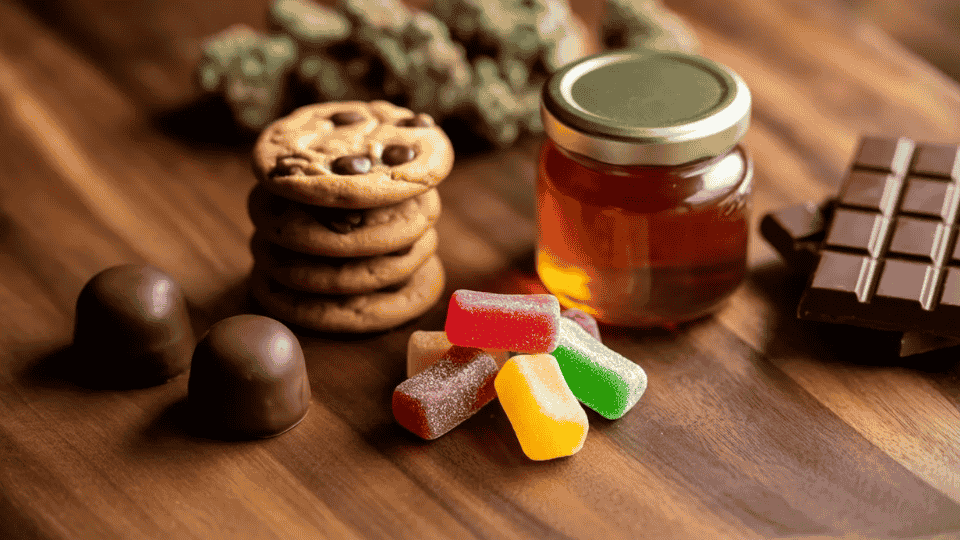
Finding the right edible can make a big difference in how well it works for your pain and inflammation. Here are some top options you can try:
1. Full-Spectrum CBD Gummies
Full-spectrum CBD gummies contain CBD along with trace amounts of THC and other natural cannabis compounds such as terpenes and minor cannabinoids. These compounds work together to enhance the overall pain-relief effect, which may improve pain and inflammation relief.
Products like Cornbread Hemp CBD Gummies or Medterra Max Relief Gummies are often used for chronic pain, arthritis, and joint stiffness.
Because gummies provide consistent dosing and long-lasting effects, many people take one in the morning and another in the evening for steady daily relief.
Full-spectrum products are generally preferred over CBD isolate for pain because isolate lacks the supporting cannabinoids and terpenes that contribute to the entourage effect.
Broad-spectrum products (which contain terpenes and minor cannabinoids but no THC) are a middle option for those who need to avoid THC but still want more than isolate.
2. THC and CBD Combination Edibles
Edibles that combine THC and CBD are often chosen when pain becomes more intense or difficult to manage with CBD alone.
A balanced 1:1 THC-to-CBD ratio is commonly recommended because THC can reduce how the brain processes pain signals, while CBD helps calm inflammation and may reduce THC-related side effects.
These types of edibles are frequently used for conditions like arthritis, nerve pain, fibromyalgia, and migraines. Because the effects usually last 6 to 8 hours, they are often taken later in the day or before bed.
One well-studied combination product is Sativex® (THC + CBD), which has shown effectiveness for neuropathic pain and pain associated with multiple sclerosis and rheumatoid arthritis in clinical trials.
While Sativex is a prescription spray rather than a commercial edible, the clinical evidence for the 1:1 THC:CBD ratio underpins the recommendations for similar over-the-counter combinations.
3. CBG Edibles for Nerve Pain
CBG, or cannabigerol, is a minor cannabinoid gaining attention for its potential role in pain relief. Research suggests CBG may interact with receptors that influence inflammation and nerve signaling.
A 2021 study published in Frontiers in Pharmacology found that cannabinoids like CBG may affect inflammatory pathways and pain perception, indicating possible benefits for neuropathic pain and muscle tension.
Some people also use CBG edibles for gut inflammation or bladder discomfort. Unlike THC, CBG does not usually cause a psychoactive effect, making it suitable for daytime pain support.
4. CBN Edibles for Nighttime Pain
CBN, or cannabinol, is often associated with relaxation and sleep support. It forms naturally as THC ages and may produce mild sedative effects that help the body unwind.
CBN edibles are commonly used by people whose pain worsens at night or disrupts sleep. When combined with CBD, CBN may help relax muscles, ease discomfort, and promote deeper rest.
Many nighttime edible formulas include 5–10 mg of CBN alongside CBD to support both pain relief and improved sleep quality.
5. Nano-Emulsion Gummies for Faster Onset
Nano-emulsion technology breaks cannabinoid particles into much smaller sizes, allowing them to bypass the digestive tract and be absorbed directly into the bloodstream.
This results in onset times of 15–30 minutes, compared to the 1–2-hour standard for traditional edibles.
For people managing acute pain flares (sudden arthritis episodes, migraine onset, or post-exercise muscle soreness), nano-emulsion products offer the precision of faster relief without the unpredictability of smoking.
Effects typically last 2–4 hours rather than the 6–8 hours of standard edibles, so they’re better suited for targeted, time-limited relief rather than all-day pain management. Wana Quick Gummies are one widely available example of this format.
Best Edibles for Pain After Surgery
Post-surgical pain management is a specific use case that warrants separate attention. In this context:
- CBD-dominant edibles are generally preferred over high-THC options because they reduce inflammation without the cognitive impairment that can complicate post-operative recovery.
- Sublingual tinctures (held under the tongue for 60–90 seconds before swallowing) are often more practical immediately post-surgery than chewing gummies, particularly after oral or jaw procedures.
- Cannabis should not be used as a substitute for prescribed post-surgical pain medication without explicit medical approval. Some combinations, particularly cannabis with opioids, carry interaction risks (see below).
- Avoid using cannabis edibles within 24 hours of surgery, as cannabinoids can interact with anesthesia and affect heart rate and blood pressure.
Best Cannabis Strains Used in Pain-Relief Edibles
Although edibles do not always specify strains, many products use extracts from strains known for pain relief. Some commonly recommended strains include:
- ACDC: High-CBD strain used for inflammation and nerve pain.
- Harlequin: Balanced CBD-THC strain often used for arthritis and chronic pain.
- Northern Lights: An indica strain known for muscle relaxation and nighttime pain relief.
- Blue Dream: A hybrid strain often used for migraines and muscle tension.
- OG Kush: A high-THC strain sometimes used for severe chronic pain.
- Granddaddy Purple: A classic indica often cited for body relaxation and evening pain management, particularly for muscle tension and joint discomfort.
In practice, focusing on cannabinoid and terpene profiles matters more than strain names alone.
Many commercially produced edibles use extracts rather than identifiable whole-plant strains, so checking the label for cannabinoid ratios and terpene content is more reliable than relying on strain branding.
What Types of Pain Can Cannabis Edibles Help
Cannabis edibles are commonly used by people looking for longer-lasting relief from different types of pain. Edibles may provide longer-lasting relief for several types of pain.
| Type of Pain | How Cannabis Edibles May Help | Suggested Cannabinoid Profile |
|---|---|---|
| Arthritis pain | May reduce joint inflammation and stiffness | CBD-dominant or 1:1 THC:CBD; beta-caryophyllene terpene |
| Neuropathic pain | May calm nerve signaling and discomfort | 1:1 THC:CBD or CBG-inclusive formula |
| Muscle pain | May relax tight muscles and reduce soreness | THC + CBD + myrcene terpene; CBG for daytime |
| Chronic inflammation | May help regulate inflammatory responses | Full-spectrum CBD; beta-caryophyllene |
| Fibromyalgia | May ease widespread body pain and improve comfort | 1:1 THC:CBD; nighttime CBN formula for sleep disruption |
| Post-surgical pain | May support recovery alongside prescribed medication | CBD-dominant; sublingual tincture preferred format |
A study published in Frontiers in Pharmacology reported that some medical cannabis patients experienced improved quality of life and reduced reliance on traditional pain medications.
How to Take Edibles Safely

Using edibles can be very effective for pain and inflammation, but it’s important to use them the right way. Edibles work slowly, and taking too much too soon can cause discomfort rather than relief.
- Start low and go slow: Begin with about 2.5–5 mg of THC or a low-dose CBD edible. For elderly users or those with high medication sensitivity, starting at 1–2.5 mg THC is more appropriate. Wait at least two hours before increasing the dose.
- Time your doses carefully: Take edibles when you have time to relax, since the effects build slowly and may last several hours.
- Track your results: Write down the dose, strain, timing, and how much relief you feel. This helps you identify what works best.
- Avoid mixing substances: Combining edibles with alcohol significantly increases dizziness, sedation, and the risk of adverse effects. Cannabis also interacts with certain prescription medications — notably blood thinners (cannabis may enhance the effect of warfarin), opioids (can enhance sedation and respiratory depression risk at high doses), and benzodiazepines (additive sedation). As a clinical pharmacologist, I strongly recommend disclosing cannabis use to your prescriber if you take any of these medications regularly.
- Check with a healthcare professional: Especially important if you have cardiovascular conditions, liver disease, or a history of psychiatric illness, as THC can exacerbate anxiety, paranoia, and elevated heart rate in susceptible individuals.
Edibles vs. Other Cannabis Methods for Pain
Using edibles safely helps you get steady pain relief without unwanted side effects. Taking your time and listening to your body can make a big difference in how effective your experience is.
| Method | Onset Time | Duration | Best For |
|---|---|---|---|
| Traditional edibles | 1–2 hours | 6–8 hours | Chronic, all-day pain management |
| Nano-emulsion edibles | 15–30 minutes | 2–4 hours | Acute pain flares, time-sensitive relief |
| Smoking or vaping | 5–10 minutes | 2–3 hours | Immediate, short-term relief; not recommended for lung health |
| Tinctures (sublingual) | 20–40 minutes | 4–6 hours | Flexible dosing; good option post-surgery or when chewing is difficult |
Possible Side Effects
- Dizziness: Common with higher THC doses or low tolerance. Sit or lie down until it passes.
- Dry mouth: Cannabis reduces saliva production. Stay hydrated.
- Fatigue: Particularly with THC or CBN. Plan around this if daytime functioning matters.
- Nausea: Usually from taking too large a dose too quickly. Starting low prevents this.
- Confusion or anxiety: High THC doses may cause cognitive impairment or paranoia, especially in new users or those predisposed to anxiety. CBD-dominant or 1:1 ratio products substantially reduce this risk compared to high-THC products.
- Elevated heart rate: THC can temporarily increase heart rate. People with cardiovascular conditions should use cannabis only with explicit medical guidance.
Wrapping Up
Choosing the best edible for pain and inflammation is rarely about a single product.
Edibles containing CBD, THC, or other cannabinoids such as CBG or CBN may offer longer-lasting relief, but careful dosing and awareness of side effects remain important.
The liver’s conversion of THC into 11-hydroxy-THC is what makes edibles uniquely potent and long-lasting, and also what makes patience in dosing so critical.
For most people managing chronic pain, a full-spectrum 1:1 THC:CBD edible taken in the evening is a reasonable starting point.
For daytime use or post-surgical recovery, CBD-dominant products with beta-caryophyllene minimize psychoactive effects while still addressing inflammation. For acute pain flares, nano-emulsion products offer faster relief.
Cannabis can be a useful option for some adults managing pain, but informed decisions and professional guidance help ensure that its benefits outweigh potential risks.