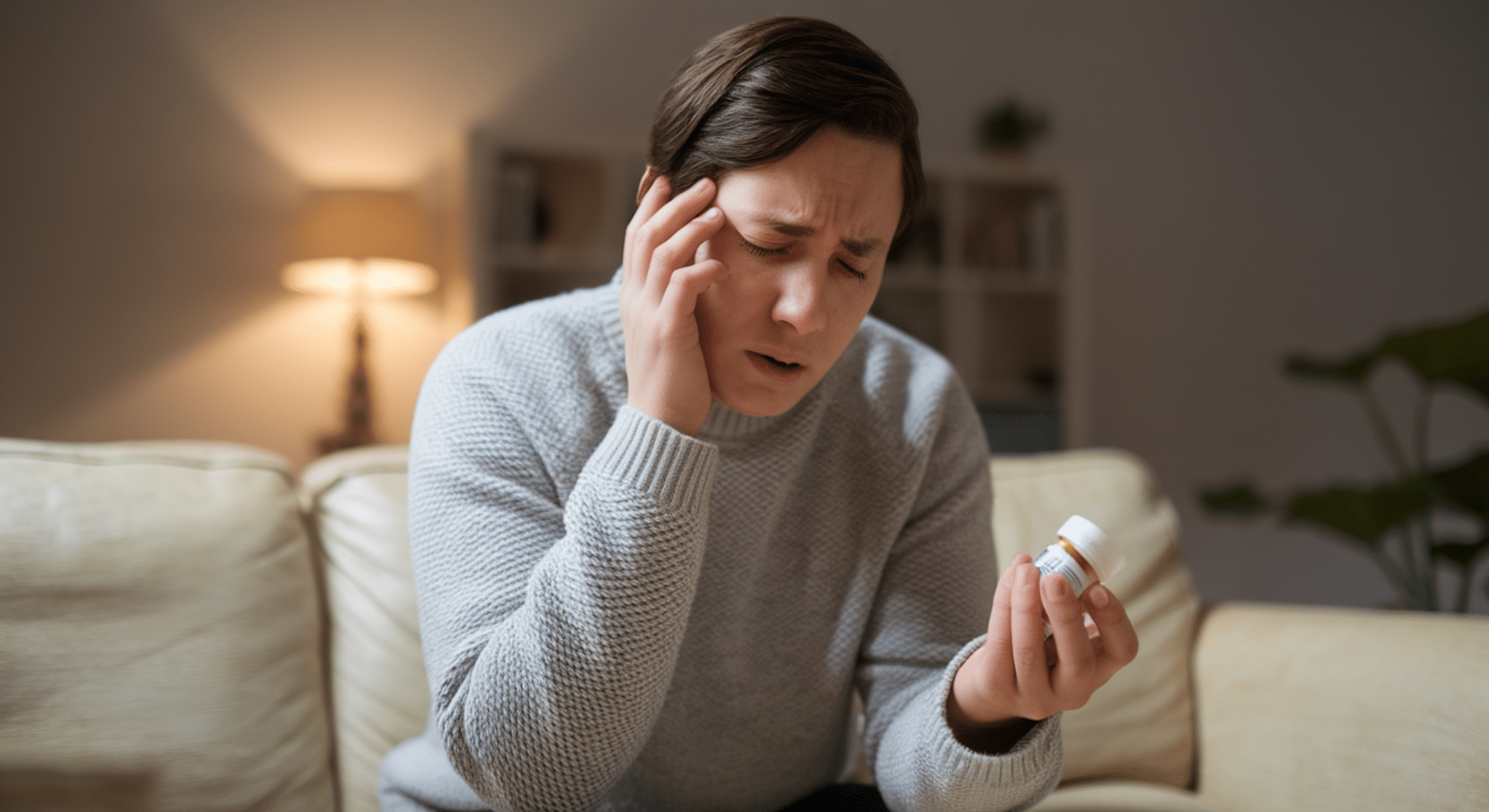
I never thought something meant to help my pain could lead to more problems. After hurting my back, my doctor gave me muscle relaxers.
At first, they worked. But then, I noticed I needed them just to feel normal. That’s when I started asking myself, are muscle relaxers addictive?
I didn’t plan to depend on them but it felt like I was slipping.
That question pushed me to learn more, and now I want to help you do the same.
If you’re using muscle relaxers or thinking about it. In this blog, you’ll learn how these meds work, which ones carry more risk, and the signs of growing dependence. Don’t wait until it’s too late.
Why People Turn to Muscle Relaxers
Muscle relaxers are usually given when someone has pain from muscle spasms, tension, or an injury. If you’ve ever pulled a muscle or had back pain, your doctor might have given you these meds to help your body calm down.
They don’t heal the injury itself, but they help your muscles stop tightening up. That can give you a break from the pain so your body can rest and start to recover.
Doctors often tell people to use them for just 2 to 3 weeks. That’s because they work best in the short term and can cause side effects or dependence if taken too long.
But some people find it hard to stop. If they still have pain or struggle with sleep, they may keep using them. Others notice that the pills help them relax from stress.
Over time, this can lead to relying on the medicine for more than just muscle problems.
Are Muscle Relaxers Addictive?
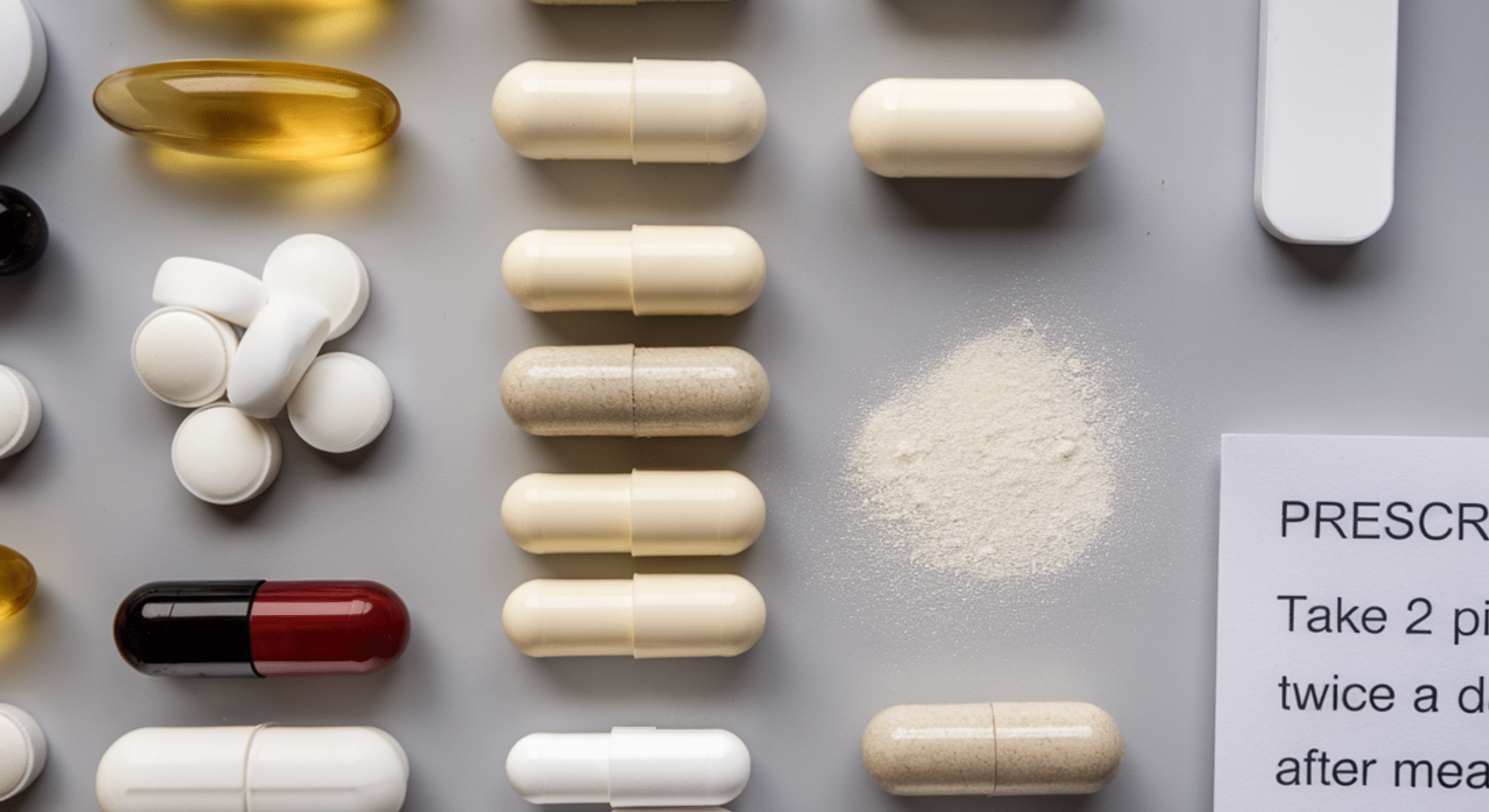
Not all muscle relaxers are the same. Some carry more risk for addiction than others.
For example, medications like carisoprodol (Soma) have a higher chance of becoming addictive, while others, like cyclobenzaprine, are less risky but can still be misused.
Addiction doesn’t always happen right away. It can build slowly through different stages.
- First comes tolerance. Your body gets used to the drug, and the usual dose doesn’t work like it did before. So you may start taking more just to feel the same relief.
- Then there’s physical dependence. If you try to stop suddenly, you might feel shaky, sick, or anxious. That’s your body reacting to the missing drug.
- And finally, psychological dependence. You may start to feel like you need the medicine just to relax, sleep, or get through the day, even if your original pain is gone.
That’s when things start to get harder to manage.
Comparing Common Muscle Relaxers and their Risk Levels
Some muscle relaxers have a higher chance of causing dependence than others. Knowing which ones carry more risk can help you make safer choices if you’ve been prescribed one.
Here’s a quick look at how common muscle relaxers compare:
| Drug Name | Risk Level | Common Brand | Controlled Substance? | Recommended Duration |
|---|---|---|---|---|
| Carisoprodol | High | Soma | Yes (Schedule IV) | Short-term only |
| Diazepam | High | Valium | Yes (Schedule IV) | Short-term only |
| Cyclobenzaprine | Moderate | Flexeril | No | 2–3 weeks |
| Methocarbamol | Low | Robaxin | No | 2–3 weeks |
| Tizanidine | Low | Zanaflex | No | 2–3 weeks |
Some drugs, like carisoprodol and diazepam, are more tightly controlled because of their higher risk for abuse.
Just because a drug is considered low-risk doesn’t mean it’s completely safe to use long-term. Always follow your doctor’s instructions and watch for any changes in how your body or mind responds.
How Muscle Relaxer Addiction Develops
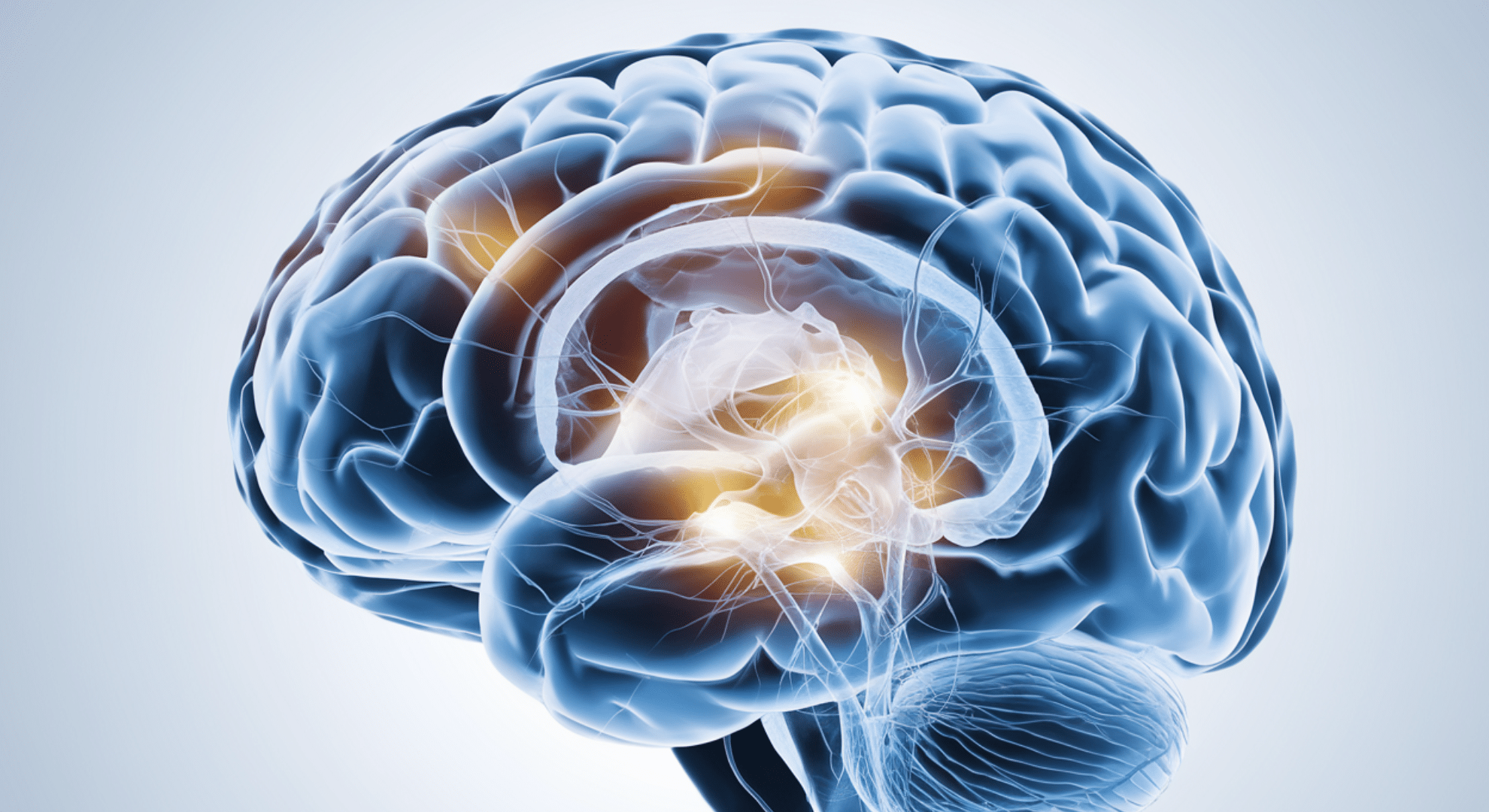
Addiction doesn’t show up overnight. It often builds slowly, starting with how the drug works in your body and growing stronger based on certain habits.
Muscle relaxers work by calming the central nervous system. They slow down signals between your brain and muscles, which helps reduce spasms and pain.
But when used for too long, your brain starts to adjust. It may stop making its own calming chemicals because it’s used to getting help from the drug. That’s how your brain chemistry can change.
Over time, your body may need the drug to feel normal. And when you stop, you might feel anxious, shaky, or have trouble sleeping. That’s your brain struggling to balance itself again without the drug.
Some habits make addiction more likely, such as:
- Taking more than the prescribed dose
- Using muscle relaxers with alcohol or other calming drugs
- Using them just to relax, sleep, or escape stress
- Keeping up the use without checking in with a doctor
These choices might seem small at first, but they can make a big difference in how your body reacts. The longer these habits continue, the harder it can be to stop.
Signs and Symptoms of Muscle Relaxer Addiction
Muscle relaxer addiction can show up in different ways and not all of them are easy to notice at first. But if you know what to look for, the warning signs become clearer. Here are the most common symptoms, grouped by category:
Physical Signs
These changes can affect how your body feels and functions:
- Feeling tired all the time, even after rest
- Shaky hands or tremors
- Light-headedness or dizziness
- Nausea or upset stomach
- Headaches or blurry vision
Behavioral Signs
These patterns may point to a growing problem:
- Visiting multiple doctors to get more prescriptions
- Hiding pills or lying about how much is being used
- Running out of medication too early
- Skipping work, school, or responsibilities
- Using more of the drug than what was prescribed
Emotional Signs
These can affect your mood and mental health:
- Feeling nervous or anxious when you don’t have the drug
- Getting irritated or angry more easily
- Strong cravings or thoughts about the next dose
- Feeling unable to relax without taking the medicine
If you or someone close to you is showing these signs, it might be time to take a closer look and ask for help. Early support makes a big difference.
The Hidden Dangers of Misuse and Overdose
Using muscle relaxers the wrong way can lead to serious problems. When taken in higher doses than prescribed or mixed with alcohol or other sedatives, they can slow your body down too much.
Breathing may become slow or shallow. You could feel confused, pass out, or in severe cases, stop breathing entirely. That’s how an overdose can happen, and it can be deadly.
Even if it doesn’t lead to overdose, misuse over time can damage your liver, kidneys, or heart. It can also affect your thinking and memory. You may feel groggy, foggy, or disconnected from what’s happening around you.
The scariest part? These dangers often creep in slowly. You might think you have it under control until one day, your body says otherwise.
That’s why it’s so important to use these meds exactly as your doctor says and to speak up if you notice things starting to change.
What Happens When You Stop Taking Muscle Relaxers

Stopping muscle relaxers after long-term use isn’t always easy. Your body gets used to having the drug, so when it’s gone, you might feel sick or off-balance.
This is called withdrawal, and it can come with symptoms like:
- Sweating
- Shaking
- Anxiety
- Trouble sleeping
- Nausea
- Muscle aches
Some people also feel emotionally low or restless. These symptoms can last a few days or even a couple of weeks, depending on the drug and how long you’ve used it.
Detox is the first step to clearing the drug from your system. It’s safest to do this with medical support, especially if the drug was used heavily. Doctors can help ease symptoms and watch for any serious problems.
Recovery takes time. It may include therapy, support groups, and learning healthier ways to manage pain or stress. The good news? Many people do get better with the right help and support around them.
Safer Alternatives to Muscle Relaxers
If you’re looking for relief without the risks of addiction, there are safer ways to manage muscle pain and tension.
These options don’t carry the same risks as prescription muscle relaxers and can often be just as helpful, especially when used consistently:
- Physical Therapy: A physical therapist can help you strengthen weak areas, improve posture, and release tight muscles in a safe, guided way.
- Gentle Exercise and Stretching: Slow movements like walking, swimming, or yoga can help reduce stiffness and improve blood flow without stressing the body.
- Heat and Cold Therapy: Applying a heating pad can loosen tight muscles, while cold packs can reduce swelling and numb sharp pain.
- Over-the-Counter Pain Relief: Medicines like ibuprofen or acetaminophen can ease mild pain and inflammation without the same risks as stronger drugs.
These methods work best when used regularly and with care.
These options may not work the same for everyone. Always talk to your doctor before starting or stopping any treatment, especially if you have ongoing pain or a medical condition. What works for one person may not be right for another. Your doctor can help you find the safest and most effective plan based on your needs.
When to Talk to a Doctor
If you’ve been using muscle relaxers longer than a few weeks, or you notice you need more to get the same relief, it’s time to check in with your doctor.
Feeling like you can’t stop, or using the pills for reasons like stress or sleep, are also signs that something might be off.
Don’t wait for things to get worse. A doctor can help you figure out what’s really going on and suggest safer ways to manage your pain or discomfort.
Even if you’re unsure, asking questions early can prevent bigger problems later. It’s not about judgment, it’s about staying safe and getting the right kind of support when you need it most.
Conclusion
I didn’t think much about it at first, but over time, I started wondering are muscle relaxers addictive? What I found out made me look at them differently.
They helped for a while, but I didn’t notice how easy it was to depend on them. Learning the risks helped me take back control and find better ways to manage pain.
Now it’s your turn to think about how you’re using them. Are they still helping, or are they starting to feel like something you need?
You don’t have to wait for things to get worse. Pay attention, ask questions, and make choices that keep you safe.
Want more real info like this? Check out other blogs on the website for clear, honest answers!