I’ve noticed so many people get Adderall and meth mixed up, and honestly, I get why.
They’re both stimulants that affect your brain in similar ways, but here’s the thing: one’s a prescription medication that helps millions manage ADHD, while the other’s an illegal drug with devastating consequences.
Understanding what separates them isn’t just about facts and chemistry. It’s about making informed choices, recognizing warning signs in ourselves or loved ones, and knowing when to reach out for help.
Let me break down what really sets these two apart.
Disclaimer: This information is for educational purposes only. If you or someone you know is struggling with substance use or has questions about ADHD medication, please consult a healthcare provider or contact a qualified treatment specialist.
What are Amphetamines?
Amphetamines are a class of stimulant drugs that work by increasing dopamine and norepinephrine levels in your brain; basically, revving up your central nervous system.
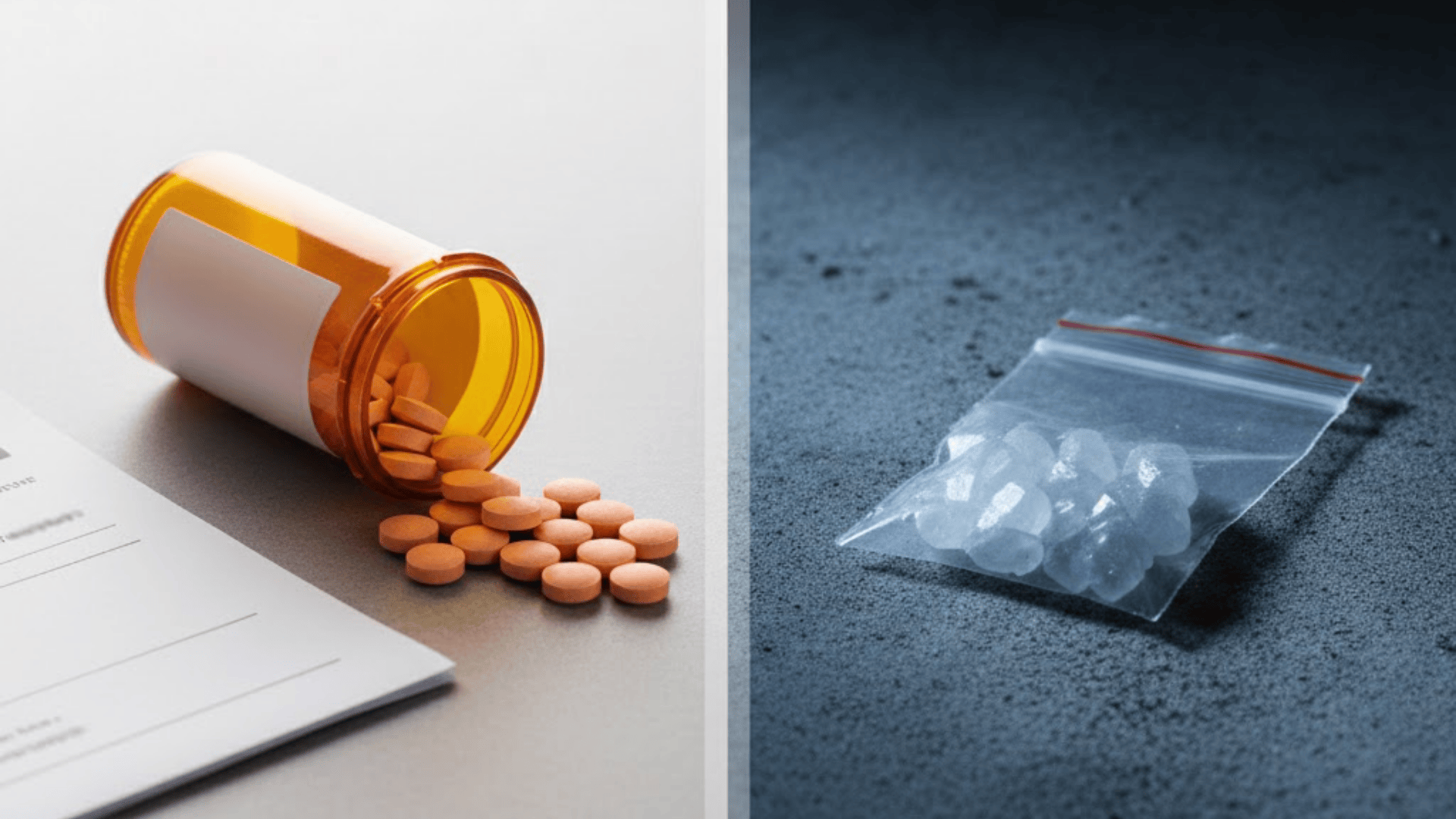
When prescribed legally, they come in familiar forms like Adderall, Dexedrine, and Vyvanse. Doctors primarily prescribe them for ADHD and narcolepsy, though occasionally they’re used for weight management in specific medical situations.
You’ll typically find prescription amphetamines as pills or extended-release capsules that deliver medication gradually throughout the day.
The key difference? These medications are carefully formulated, dosed precisely, and monitored by healthcare professionals to maximize benefits while minimizing risks.
What are Methamphetamines?
Methamphetamines are structurally similar to amphetamines but with a crucial difference; they’re significantly more potent and cross into your brain faster.
While there’s actually a prescription form called Desoxyn that’s rarely used for severe ADHD cases, what most people know as “meth” is the illegal street drug.
You’ve probably heard it called crystal meth, ice, or glass. It typically appears as clear crystals, shards, or white powder.
Unlike prescription drugs, street meth is made in illegal labs without quality control, often containing dangerous additives. This lack of regulation and its extreme potency make it very dangerous and highly addictive initially.
Amphetamines vs. Meth: Effects on the Body and Brain

Both drugs are stimulants, but the intensity and consequences diverge dramatically. Here’s how they affect you in the short and long term.
1. Short-Term Effects of Amphetamines
When you take prescription amphetamines as directed, you’ll typically experience improved focus and alertness, which is why they work for ADHD.
Your heart rate increases moderately, and you might notice a decreased appetite. These effects are generally manageable and predictable when the medication is properly dosed.
Most people can function normally and go about their daily activities without feeling impaired or overstimulated.
2. Short-Term Effects of Methamphetamines
Meth hits completely differently. Users experience an intense euphoric rush within minutes, especially when smoked or injected.
There’s a massive surge of energy and confidence, driven by dopamine flooding your brain at levels far beyond what’s natural or safe.
This overwhelming high is what makes meth so dangerously addictive right from the first use; your brain essentially gets hijacked by that intense pleasure response.
3. Long-Term Effects: Amphetamines vs. Methamphetamines
Here’s where things get serious. Long-term prescription amphetamine use, when monitored medically, carries relatively lower risks.
Meth, however, is neurotoxic; it literally damages brain cells, particularly those involved in memory and emotion.
Both can strain your cardiovascular system, but meth’s intensity causes severe heart problems, tooth decay, skin sores, and profound mental health issues like paranoia and psychosis.
Abuse & Addiction Potential
Both substances carry addiction risks, but they operate on vastly different scales. Let me explain why people misuse these drugs and what addiction looks like.
Why Amphetamines Can Be Misused vs. Why Methamphetamines Are Highly Addictive
Prescription amphetamines get misused primarily for performance; students cramming for exams, professionals pushing deadlines, or athletes seeking an edge.
People crush and snort pills, take double doses, or share prescriptions to amplify effects. The addiction develops gradually, often starting as “just this once.”
Meth, however, is in a different league entirely. Those rapid, intense dopamine spikes create immediate psychological dependence. The euphoria is so overwhelming that your brain starts craving it desperately after just one use.
Meth users frequently fall into binge cycles, using repeatedly for days without sleep, which accelerates addiction and makes quitting extraordinarily difficult.
Signs of Addiction (Both Substances)
- Behavioral: Taking larger doses than prescribed, doctor shopping for multiple prescriptions, secretive behavior, neglecting responsibilities, financial problems, relationship conflicts
- Physical: Weight loss, sleep disturbances, dilated pupils, rapid heart rate, tremors, tooth decay (especially meth), skin sores from picking
- Psychological: Anxiety, paranoia, irritability, mood swings, inability to feel pleasure without the drug, obsessive thoughts about using, withdrawal symptoms when trying to stop
Comparing the Risks: Amphetamine vs. Methamphetamine
While both drugs carry risks, the severity and likelihood of harm differ dramatically. Here’s a side-by-side comparison to show you what I mean.
| Risk Category | Prescription Amphetamines (When Misused) |
Methamphetamines (Illegal Use) |
|---|---|---|
| Physical Risks | Elevated heart rate and blood pressure, weight loss, sleep disruption, and headaches | Severe heart damage, stroke, extreme malnutrition, “meth mouth,” skin sores, infectious disease risk |
| Mental Health Risks | Anxiety, irritability, mood swings, and rare psychosis with heavy misuse | Severe paranoia, hallucinations, violent behavior, psychosis, depression, and memory loss |
| Social Risks | Workplace/academic problems, strained relationships, legal issues with prescription sharing | Job loss, destroyed relationships, homelessness, criminal involvement, arrest, isolation |
The takeaway: Prescription amphetamines carry manageable risks when used as directed, but meth’s dangers are immediate, severe, and often life-destroying. The gap between controlled medication and street meth isn’t just wide, it’s a chasm.
Drug Testing Differences
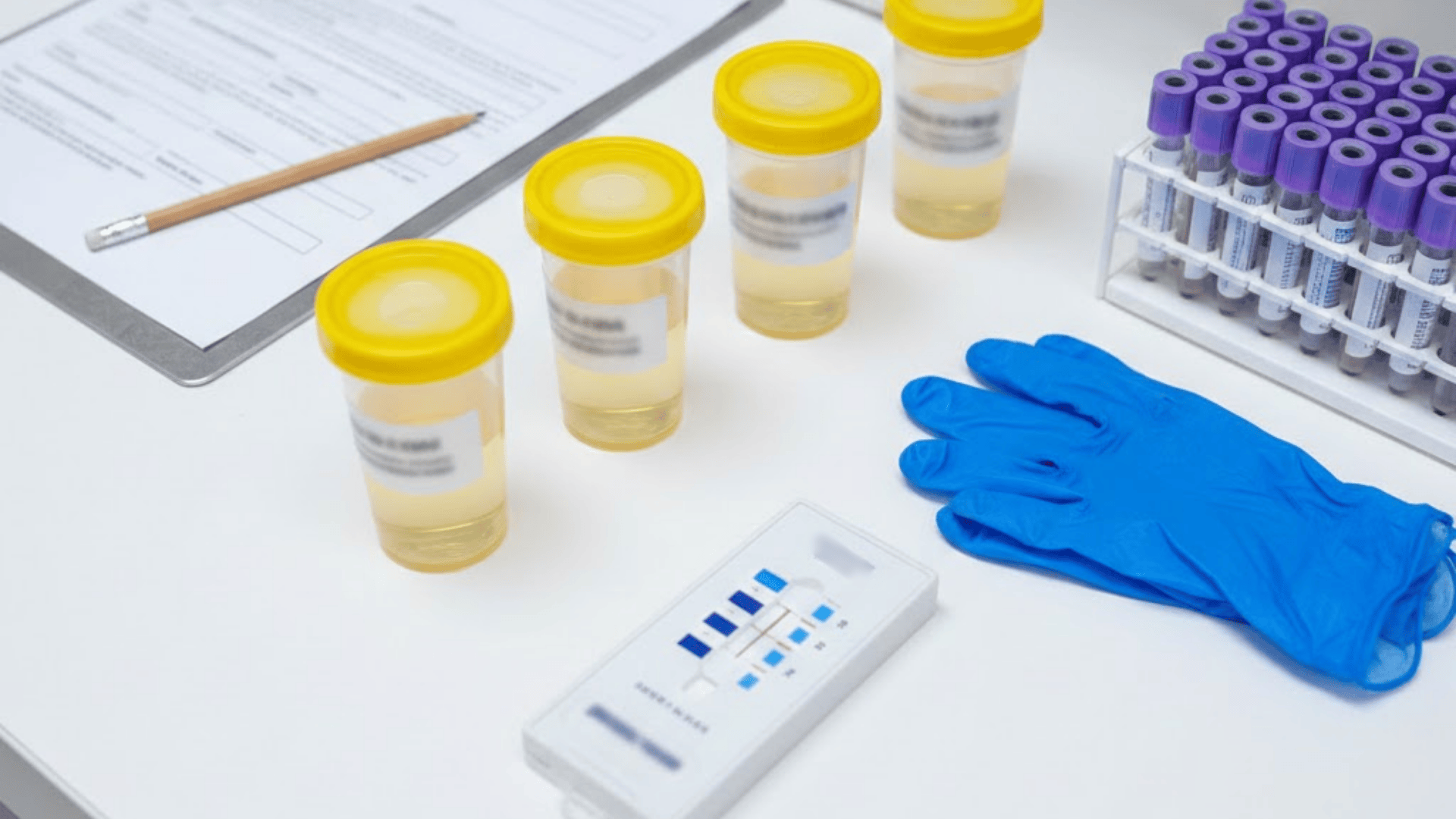
If you’re facing a drug test, understanding how these substances show up matters. Both are detectable, but there are important distinctions.
How Amphetamines Show Up on Tests
Prescription amphetamines appear on standard drug panels, typically under “amphetamines.” They’re detectable in urine for about two to four days after use, though this varies based on dosage and metabolism.
If you have a legitimate prescription, you can usually provide documentation to explain a positive result. Blood and hair tests can also detect amphetamines, with hair follicle tests showing use for up to three months.
How Meth Shows Up on Tests
Meth shows up distinctly because it breaks down into specific metabolites that testing labs can identify separately from prescription amphetamines.
Due to its potency and how your body processes it, meth typically stays detectable longer; up to four days in urine for occasional users, but potentially a week or more for heavy users.
Advanced tests can definitely distinguish between prescribed Adderall and illegal meth use.
Safety, Harm Reduction & What Not to Do
I want to be straight with you about keeping yourself or someone you care about safe.
Here are the non-negotiables when it comes to stimulants:
- Never Exceed Prescribed Doses: Taking more amphetamines than directed increases heart attack risk, triggers severe anxiety, and accelerates addiction
- There’s No “Safe” Way To Use Meth: Regardless of method or amount, illegal meth is neurotoxic, unpredictable, and immediately dangerous
- Don’t Mix Stimulants With Other Drugs: Combining amphetamines or meth with alcohol, other stimulants, or depressants can cause fatal interactions
- Know Overdose Signs: Chest pain, irregular heartbeat, seizures, extreme confusion, overheating, or loss of consciousness require immediate emergency help
- Never Share Prescriptions: What’s safe for one person can be dangerous for another; sharing or selling prescription medication is illegal and risky
If you’re prescribed amphetamines, follow your doctor’s instructions exactly. If you or someone you know is using meth, the only harm reduction that truly works is stopping, and help is available to make that possible.
Treatment & Recovery Options
Recovery is absolutely possible, and knowing your options is the first step. Whether it’s prescription misuse or meth addiction, help exists, and it works.
| Treatment Type | What It Involves | Best For | Duration |
|---|---|---|---|
| Behavioral Therapy | CBT, Motivational Interviewing, one-on-one counseling | Changing thought patterns and behaviors | 12+ weeks, ongoing |
| Contingency Management | Reward-based system for staying clean, vouchers for negative tests | Maintaining motivation and accountability | 12-16 weeks initially |
| Support Groups | SMART Recovery, Narcotics Anonymous, peer meetings | Building community and shared experiences | Ongoing, lifelong |
| Inpatient Rehab | 24/7 residential care, medically supervised detox, structured therapy | Severe addiction, unsafe environment | 30-90 days |
| Outpatient Rehab | Regular therapy while living at home, flexible scheduling | Mild to moderate use, strong support system | 3-6 months or longer |
| Long-Term Support | Alumni programs, sober living homes, and relapse prevention planning | Maintaining sobriety after initial treatment | Ongoing, as needed |
When to Seek Help? If you’re exceeding prescribed doses, craving the drug, hiding use, neglecting work or relationships, or feeling unable to function without it, it’s time. The earlier you reach out, the easier recovery becomes.
Resources & References
If you want to learn more or need immediate help, these trusted sources have your back. SAMHSA’s National Helpline at 1-800-662-4357 provides free, confidential support 24/7, or visit their website at https://www.samhsa.gov/find-help/national-helpline.
For peer-reviewed research, access these studies directly:
- Methamphetamine neurotoxicity and neuroinflammation: https://www.ncbi.nlm.nih.gov/pmc/articles/PMC7457172/
- Prescription stimulant use and misuse among US adults: https://www.ncbi.nlm.nih.gov/pmc/articles/PMC6070393/
- Cognitive behavioral therapy for substance use disorders: https://www.ncbi.nlm.nih.gov/pmc/articles/PMC2897895/
These evidence-based resources can guide informed decisions and connect you with help.
Wrapping It Up
I hope this clears up the confusion between Adderall and meth. Yes, they’re chemically related, but that’s where the similarity ends.
One is a carefully regulated medication that helps people thrive; the other is a destructive, illegal drug that devastates lives.
If you’re concerned about prescription misuse or worried about someone using meth, understanding these differences empowers you to make safer choices and recognize when help is needed.
Your story matters, and so do your questions about amphetamines versus methamphetamines. Drop a comment below; what you share might be exactly what someone else needs to hear today.