At first, the changes can feel small: a rough night of sleep, low energy, maybe some mood swings. But over time, they grow harder to ignore.
These are often early signs of kratom withdrawal symptoms, and they can catch people off guard.
Even those who didn’t think they were using much start to feel the effects when they stop. If you’re here, you’re probably trying to figure out what’s happening to your body and mind.
This blog will help you understand what withdrawal really looks like, how symptoms shift based on use, and what you can do to manage them.
You’ll also learn how long recovery takes, what home care works best, and when to reach out for support.
Understanding Why Kratom Withdrawal Happens
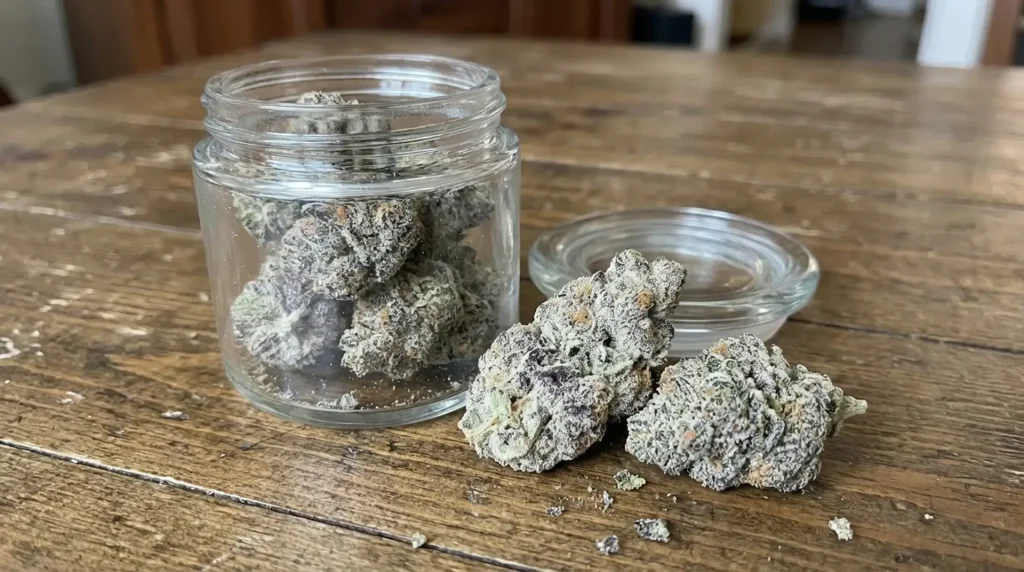
Kratom is a plant from Southeast Asia. People often use it to feel relaxed or to ease pain. It works by sticking to the same brain spots as opioids do. These brain spots help control how we feel pain and pleasure.
When someone uses kratom a lot, their brain starts to depend on it. This can happen if they use large amounts or take it often over a long time. The brain gets used to kratom and slows down its own way of feeling good or dealing with pain.
So, when a person stops taking kratom, the brain doesn’t know how to work right away. This causes an imbalance of brain chemicals. The body has to adjust without the kratom, which can lead to withdrawal symptoms.
These symptoms can vary from person to person. They depend on how often the person used kratom, how much they took, and their general health.
What are the Common Kratom Withdrawal Symptoms?
When someone stops using kratom after regular or heavy use, their body and mind may react in different ways. These reactions are called withdrawal symptoms.
They can range from mild to very uncomfortable. They usually fall into three main areas: physical, emotional, and behavioral changes. Here’s what to watch for:
1. Physical Symptoms
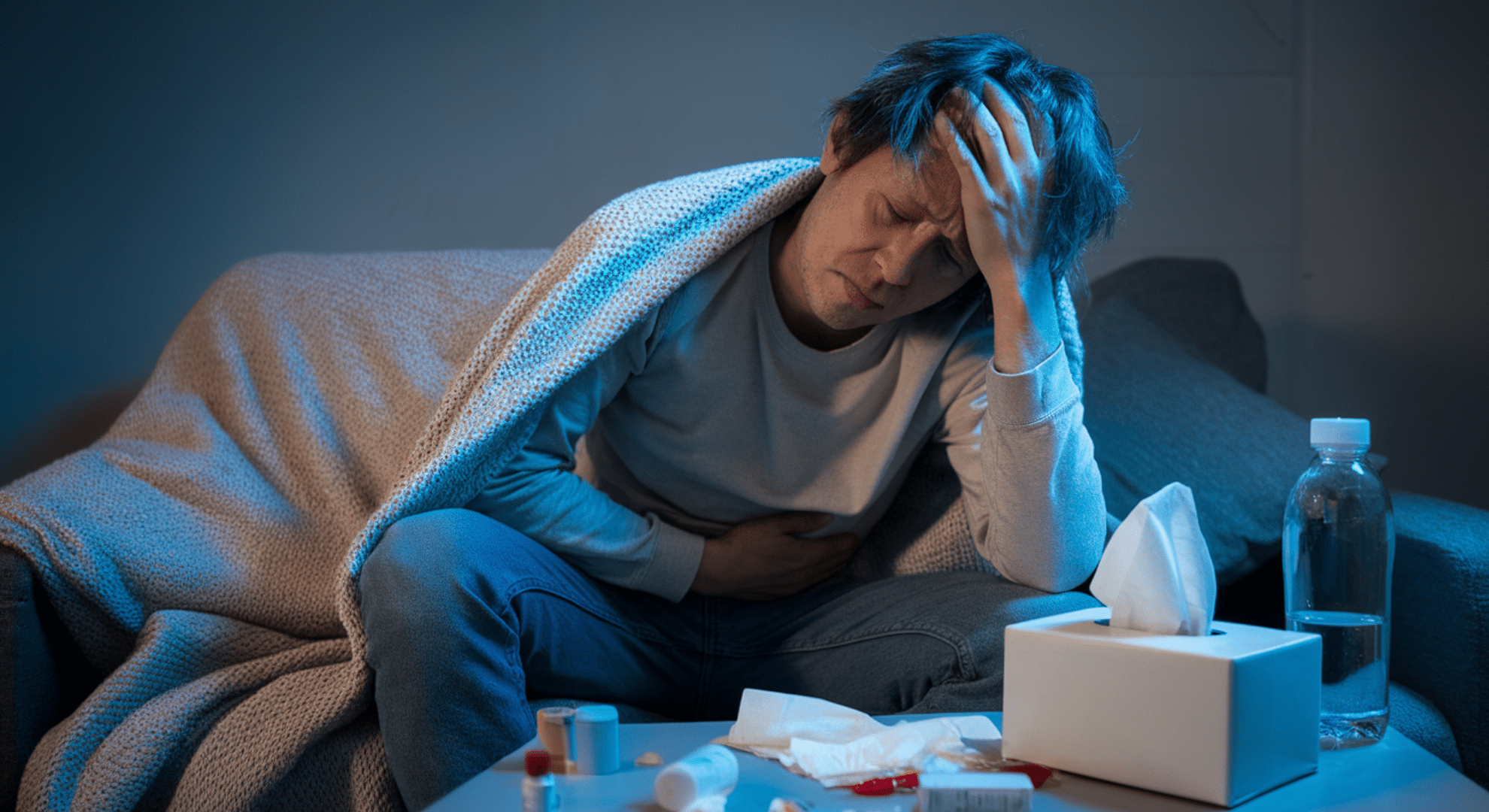
These are the signs your body shows when it’s adjusting without kratom. They can make you feel sick or weak, similar to the flu:
- Feeling tired all the time
- Body aches and sore muscles
- Nausea or throwing up
- No desire to eat
- Sweating or getting chills
- Runny nose like a cold
- Trouble sleeping or staying asleep
- Shaky hands or poor coordination
These signs often start within hours after the last dose and may last for a few days.
2. Psychological and Emotional Symptoms
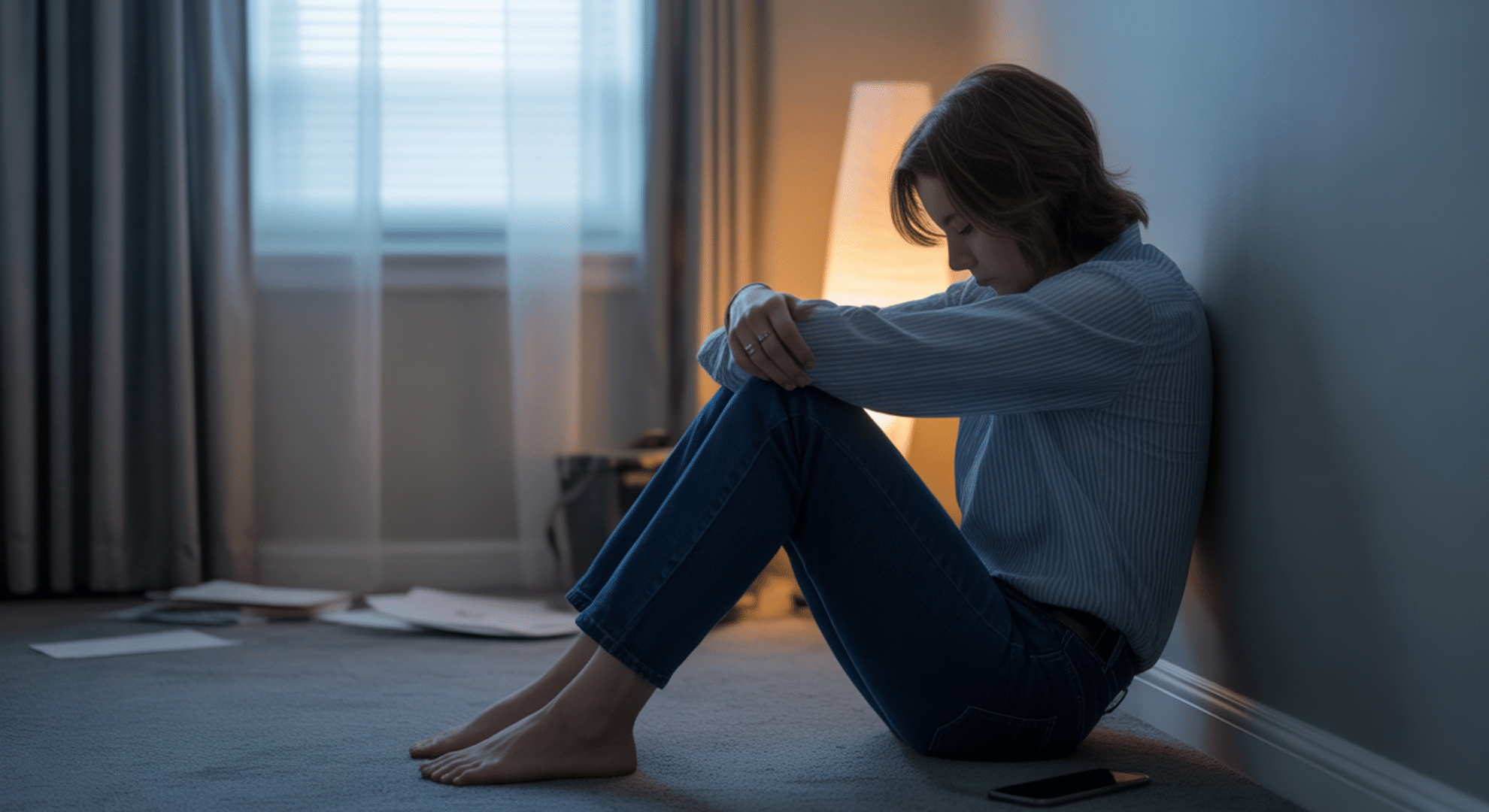
Kratom also affects how you feel emotionally. When you stop taking it, your mood can shift quickly.
- Feeling nervous, annoyed, or jumpy
- Sadness, low mood, or sudden mood changes
- Hard time focusing or thinking clearly
- Strong desire or thoughts about using kratom again
These mental symptoms can feel just as tough as the physical ones, especially for people who used kratom for emotional relief.
3. Behavioral and Cognitive Changes

Withdrawal can also affect how a person acts and interacts with others. These changes can be harder to spot but are still important.
- Doing things without thinking
- Feeling like you need to move around all the time
- Snapping at people or staying away from friends and family
These shifts in behavior often come from the body trying to balance itself again. It’s a stressful time, and support can help.
How Kratom Withdrawal Gets Worse with More Use
Here’s how kratom withdrawal symptoms can change based on how much and how often someone used it.
The symptoms are grouped into mild, moderate, and severe levels to show how the intensity may increase with heavier use.
| Symptom Type | Mild Symptoms | Moderate Symptoms | Severe Symptoms |
|---|---|---|---|
| Fatigue | Slight tiredness | Constant low energy | Extreme exhaustion, unable to get out of bed |
| Muscle Aches | Minor soreness | Ongoing body aches | Sharp muscle pain throughout the body |
| Nausea / Appetite | Mild upset stomach, low hunger | Nausea, reduced appetite | Vomiting, total loss of appetite |
| Sleep Issues | Trouble falling asleep | Restless sleep, waking often | Full insomnia, no sleep for days |
| Sweating / Chills | Light sweating or cold chills | Heavy sweating, shaking chills | Soaking night sweats, body temperature swings |
| Runny Nose | Occasional stuffy or runny nose | Frequent sneezing, congestion | Constant runny nose, like bad flu symptoms |
| Anxiety / Mood | Nervous or uneasy | Irritability, anxious thoughts | Panic attacks, extreme mood swings |
| Depression | Feeling low | Sadness, low motivation | Deep depression, hopelessness |
| Cravings | Mild thoughts about kratom | Frequent urges | Obsessive thoughts, very strong cravings |
| Restlessness | Fidgeting | Pacing, tapping, hard to sit still | Cannot stay still, feels like “jumping out of skin” |
| Behavioral Changes | Quiet withdrawal | Angry outbursts, short temper | Isolation, snapping at others, sudden risky behavior |
| Focus / Thinking | Slight brain fog | Hard to focus or stay on task | Can’t concentrate, confused thinking |
The level of symptoms depends on how long someone has used kratom, how much they took, and their personal health. Not everyone will feel all symptoms, and intensity can shift from day to day.
How Long Does Kratom Withdrawal Last?
Kratom withdrawal doesn’t last the same for everyone. It depends on how much someone used and for how long. But most people go through it in stages. Here’s what that usually looks like.
Typical Withdrawal Timeline
Day 1–2: Symptoms usually start within 6 to 12 hours after the last dose. You might feel anxious, sweaty, or restless early on.
Day 3–5: This is when symptoms hit their worst point. You may feel very tired, have muscle pain, mood swings, and trouble sleeping.
Day 6–7: Physical symptoms begin to ease. You might still feel some mental symptoms like low mood or cravings.
After 1 Week: Most physical symptoms are gone. But emotional symptoms may stick around longer.
What is PAWS (Post-Acute Withdrawal Syndrome)?
Some people, especially long-term users, might deal with PAWS. This means symptoms can stick around after the main withdrawal ends. These may include:
- Ongoing anxiety
- Sleep problems
- Feeling tired all the time
- Low motivation
PAWS can last weeks or even months, but it gets better slowly over time.
Your body usually recovers faster than your mind. You might feel physically okay within a week or two. But your emotions and sleep can take longer to return to normal.
Staying active, eating well, and getting support can help you heal faster both inside and out.
Managing Kratom Withdrawal at Home
You can often handle mild to moderate kratom withdrawal at home with the right care. Start by drinking plenty of water and keeping your electrolytes balanced: coconut water, broth, or sports drinks can help.
Eat simple, nutritious meals to support your body.
Get plenty of rest and stick to good sleep habits, like turning off screens before bed. Light movement, like walking or stretching, can ease muscle tension and boost mood.
For symptoms like pain or nausea, over-the-counter meds (like ibuprofen or anti-nausea pills) may help but use them as directed. Some people also find relief with supplements like vitamin B, magnesium, or L-theanine.
Know when home care isn’t enough. If symptoms get too strong, like nonstop vomiting, fast heart rate, or suicidal thoughts, get medical help right away. Your safety comes first.
Professional Treatment and Medical Detox
For some people, kratom withdrawal is too hard to handle alone. That’s where medical detox and treatment centers come in. These places give safe, supervised care to help you through withdrawal.
In detox centers, doctors may use non-opioid medicines like:
- Clonidine for sweating, chills, and anxiety
- Anti-nausea meds to calm the stomach
- Sleep aids to improve rest during the hardest days
After detox, counseling and therapy can help with cravings, triggers, and emotions. Behavioral therapy teaches better ways to cope, while support groups help prevent relapse.
You can choose between:
- Inpatient care: you stay at the center full-time for deep support
- Outpatient care: you live at home and visit for care and therapy
Medical teams also help you taper off slowly, instead of quitting all at once. This lowers your risk and makes withdrawal easier and safer.
Coping With the Mental and Emotional Side of Withdrawal
The emotional side of kratom withdrawal can be just as tough as the physical part. You might feel anxious, sad, angry, or just not like yourself. These feelings are normal but hard to deal with.
Talk to someone you trust: a friend, counselor, or support group. You’re not alone, and sharing how you feel helps. Try writing your thoughts down or using calming tools like deep breathing or meditation.
Keep a routine. Eat, sleep, and move your body every day, even if it’s just a short walk. This helps your brain start to heal. Most importantly, be kind to yourself. Healing takes time, and it’s okay to have hard days.
When to Seek Immediate Help
Sometimes, kratom withdrawal becomes too much to handle alone. If you have severe symptoms like chest pain, nonstop vomiting, trouble breathing, or a very fast heartbeat, get medical help right away.
You should also seek help if you feel hopeless, extremely depressed, or have thoughts of hurting yourself or others. These are signs your brain is struggling to cope, and you need support now.
If you’re unable to eat, sleep, or care for yourself for several days, that’s also a red flag. Don’t wait for things to get worse.
Call a doctor, go to the ER, or reach out to a crisis line. Your health and safety matter. Getting help is not a sign of weakness; it’s a smart step toward recovery.
This blog is for informational use only and is not medical advice. Always talk to a healthcare professional before stopping kratom or starting any treatment. Everyone’s situation is different. If you feel unwell or unsafe during withdrawal, seek medical help right away. Don’t use this content to replace professional care or delay getting the help you need.
Conclusion
Understanding kratom withdrawal symptoms helped me see how important it is to have clear, simple info when facing something so overwhelming.
It showed me how knowledge can take away some of the fear and confusion people often feel. Now that you’ve read through the signs, timelines, and ways to cope, you’re in a better place to face it yourself or support someone else.
Keep listening to your body, take it one step at a time, and don’t be afraid to ask for help if things feel too heavy.
Recovery takes time, but it’s not something you have to figure out alone. Keep digging the website for more help on this and related topics!