| ⚠️ Advisory: This article is for educational purposes only. Smoking paper of any kind carries real health risks. If you are experiencing respiratory symptoms or have concerns about smoke inhalation, consult a qualified healthcare provider. |
Yes, you can smoke paper. That does not mean your lungs will tolerate it. Even plain, unprinted paper creates smoke that irritates your airways. Once you factor in bleaching agents, inks, dyes, or coatings, the risk increases significantly. This article covers what happens inside your body when you inhale paper smoke, which types are more hazardous, and why no paper is genuinely safe to inhale.
| Paper Type | Key Additives | When Burned | Risk Level |
|---|---|---|---|
| Notebook / Printer Paper | Bleach, fillers, coatings | Releases dioxins, VOCs, and harsher particulates | High |
| Printed / Inked Paper | Ink, dyes, and possible heavy metals | Adds lead, chromium, and other toxic compounds to smoke | Very High |
| Tissue / Plain Paper | Fewer additives (sometimes) | Still creates CO, fine particulates, and VOCs | Medium |
| Rolling Paper (unbleached) | Minimal additives, made for burning | Cleaner burn but still produces smoke and particles | Lower (not safe) |
| Thermal / Receipt Paper | BPA, BPS coatings | Releases endocrine-disrupting compounds | Very High |
What Happens When You Smoke Paper?
Paper does not simply “burn away.” It breaks down into smoke, ash, and toxic gases, all of which travel directly into the lungs. The smoke carries carbon monoxide, fine particulate matter, and chemical byproducts produced during combustion.
As those substances enter the body, the effects begin immediately. Carbon monoxide competes with oxygen on red blood cells, reducing the blood’s ability to carry oxygen to tissues.
Fine particles settle deep in the airways, contributing to long-term damage. Even plain paper is not safe to inhale. It may contain fewer chemical additives than treated paper, but the combustion products themselves are harmful regardless.
What Paper Smoke Actually Contains
Paper smoke is a mixture of gases and fine particles produced when cellulose burns. Even without added chemicals, incomplete combustion generates several harmful substances:
- Carbon monoxide (CO): A colorless, toxic gas that reduces the blood’s oxygen-carrying capacity.
- Carbon dioxide (CO2): A normal combustion product that contributes to poor air quality at elevated concentrations.
- Fine particulate matter (PM): Microscopic particles that reach deep into the lungs, causing irritation and long-term structural damage.
- Volatile organic compounds (VOCs): Chemicals released during burning, including acrolein and benzene, both known respiratory irritants and carcinogens.
- Formaldehyde: A documented carcinogen present in smoke from both plain and treated paper. It directly irritates airway tissue on contact.
- Tar: A sticky residue composed of condensed chemical compounds that deposits in lung tissue and interferes with normal respiratory function.
Together, these components make paper smoke harmful even in small or infrequent exposures.
How Additives Make Paper Smoke More Toxic
The risk does not stop with cellulose. Many types of paper contain additional chemicals that compound the hazard considerably. Bleaching agents used to whiten paper can release dioxins and furans during combustion, both of which are classified as carcinogens.
A 2024 peer-reviewed analysis of 53 rolling paper products found that roughly one-quarter of the samples contained heavy metals, including copper, chromium, and vanadium, at potentially unsafe levels (Green Blazer, citing peer-reviewed 2024 data).
Thermal paper, such as store receipts, is particularly hazardous because burning it releases BPA and BPS, compounds linked to endocrine disruption. Printed and colored papers add ink, dyes, and in some cases trace metals such as lead and cadmium to the combustion mix. Inhaling any of these is not a theoretical risk; it is a documented one.
Immediate Effects on Your Body
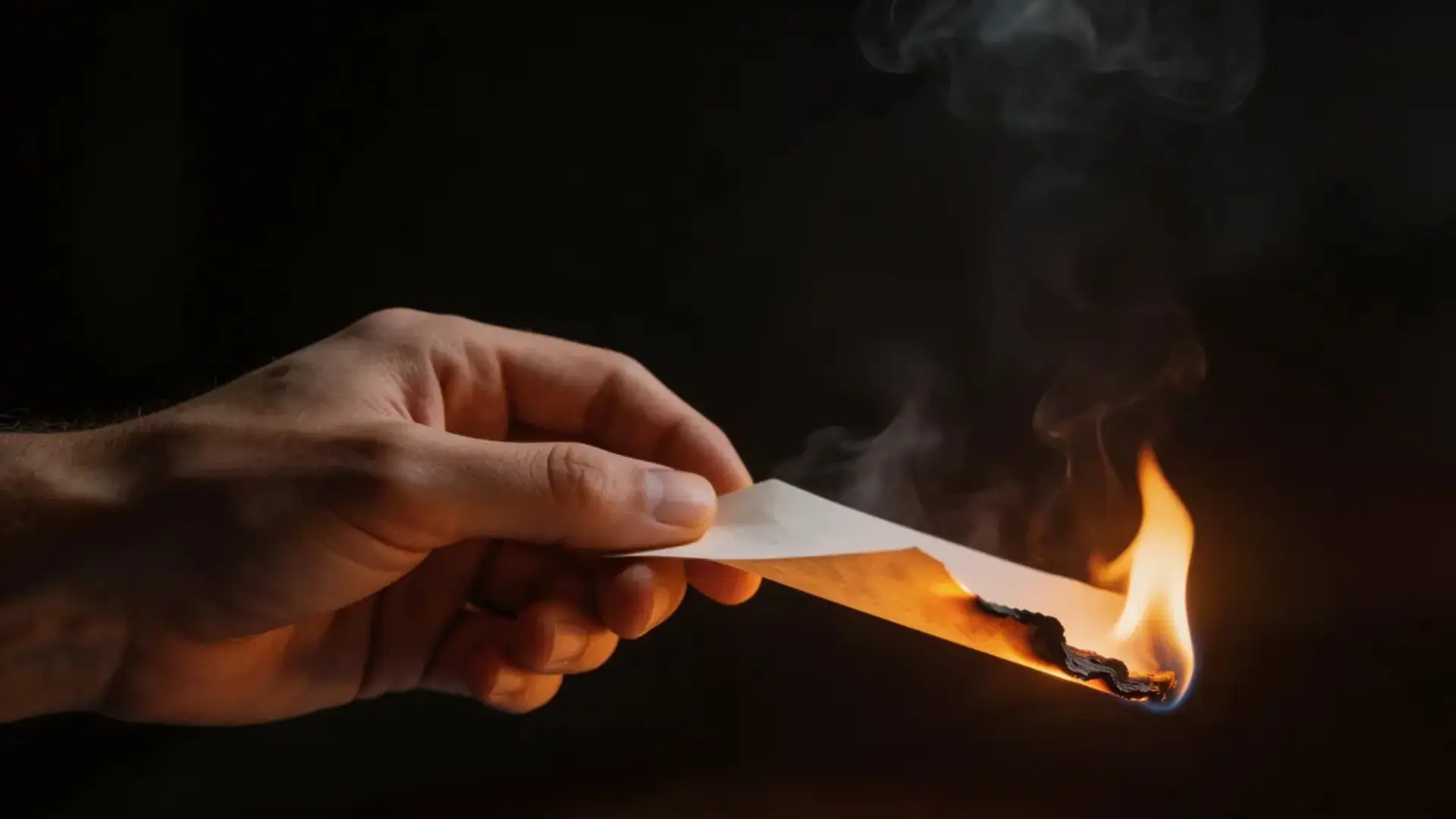
When you smoke paper, the body reacts almost immediately. These are the most common physical responses and the mechanisms behind them:
- Coughing and throat irritation: Hot particles damage the mucosal lining of the airways, triggering a protective cough reflex.
- Dizziness or headache: Carbon monoxide reduces oxygen delivery to the brain, producing lightheadedness and headaches.
- Burning sensation in the chest and airways: Toxic smoke inflames lung and airway tissue, producing a distinct burning feeling.
- Eye and nose irritation: Airborne particulates and gases cause watery eyes and a runny nose as the body attempts to clear the irritants.
- Increased heart rate and blood pressure: The cardiovascular system responds to chemical stress in the bloodstream, sometimes causing a noticeable elevation in heart rate even after brief exposure.
These immediate responses are the body’s signaling system. While symptoms typically subside after exposure ends, they indicate that genuine tissue irritation and oxygen disruption have occurred.
Long-Term Effects of Repeated Exposure
With repeated exposure, what begins as mild irritation accumulates into lasting structural damage. The conditions that can develop over time include:
- Chronic bronchitis: Persistent inflammation of the airways producing an ongoing cough and excess mucus buildup.
- Reduced lung capacity: The lungs progressively lose their ability to take in and use oxygen efficiently.
- Increased cancer risk: Paper smoke contains carcinogens capable of causing DNA damage, raising the probability of lung cancer with repeated exposure.
- COPD (Chronic Obstructive Pulmonary Disease): Repeated smoke exposure accelerates the destruction of alveoli, the tiny air sacs responsible for oxygen exchange. A 2024 review published in PMC confirmed that smoke-related lung tissue damage produces the irreversible pattern seen in COPD, often going undetected until breathing becomes noticeably difficult. Alveolar damage is permanent.
Impact Beyond the Lungs
The harm extends past the respiratory system. Toxins from paper smoke enter the bloodstream and place sustained stress on the cardiovascular system, raising long-term risk for heart disease. Over time, repeated exposure converts small-scale irritation into conditions that cannot be reversed.
What Happens After a Single Exposure?
A one-time exposure is unlikely to cause permanent damage. The body can clear most particles from isolated contact, though coughing, throat irritation, mild dizziness, headache, or nausea are expected responses as the lungs react to the smoke and particulates.
The body will begin clearing toxins through the lungs and bloodstream, which is why symptoms typically fade within a short period. That said, heavy exposure in a confined space creates real risk: oxygen levels can drop, and breathing becomes more difficult. The confined space scenario, not the substance itself, is where a single exposure can become an acute emergency.
Is Plain Paper Safer Than Other Types?
Plain paper produces fewer chemical byproducts than treated paper, but the difference is a matter of degree, not safety. The combustion products of cellulose alone include carbon monoxide, VOCs, formaldehyde, and particulate matter. Adding bleach, ink, coatings, or thermal treatments layers additional toxins on top of those baseline risks.
The table at the top of this article shows where different paper types fall on the risk spectrum. Rolling paper made from unbleached hemp or rice sits at the lower end, not because it is safe, but because it introduces fewer additional chemicals to the combustion process. Notebook paper, printed paper, and thermal paper all sit at considerably higher levels.
Why Paper Smoke Is Harmful Even Without Tobacco or Cannabis
A common misconception is that paper is only harmful because of what you put inside it. The smoke itself is the primary problem, independent of any added substance. Burning any cellulose-based material produces carbon monoxide, particulate matter, VOCs, and tar. Studies on combustion byproducts confirm that the volatile products of pyrolyzed cellulose are qualitatively similar to the components of cigarette smoke.
Whether you are smoking plain paper or a paper wrapped around something else, the result is the same: airway irritation, oxygen disruption, and particulate deposition in lung tissue. The paper is not a neutral carrier.
Safer Choices If You Are Going to Do It Anyway
Complete avoidance of smoke is always the better choice for lung health. For those looking to reduce their overall exposure to combustion byproducts, a dry herb vaporizer or weed pen that heats material without combustion eliminates many of the smoke-related risks described in this article. If smoking paper specifically is the question, these are the practical harm-reduction steps:
- Avoid printed, glossy, colored, and thermal paper entirely. These release the highest concentrations of additional toxins during combustion.
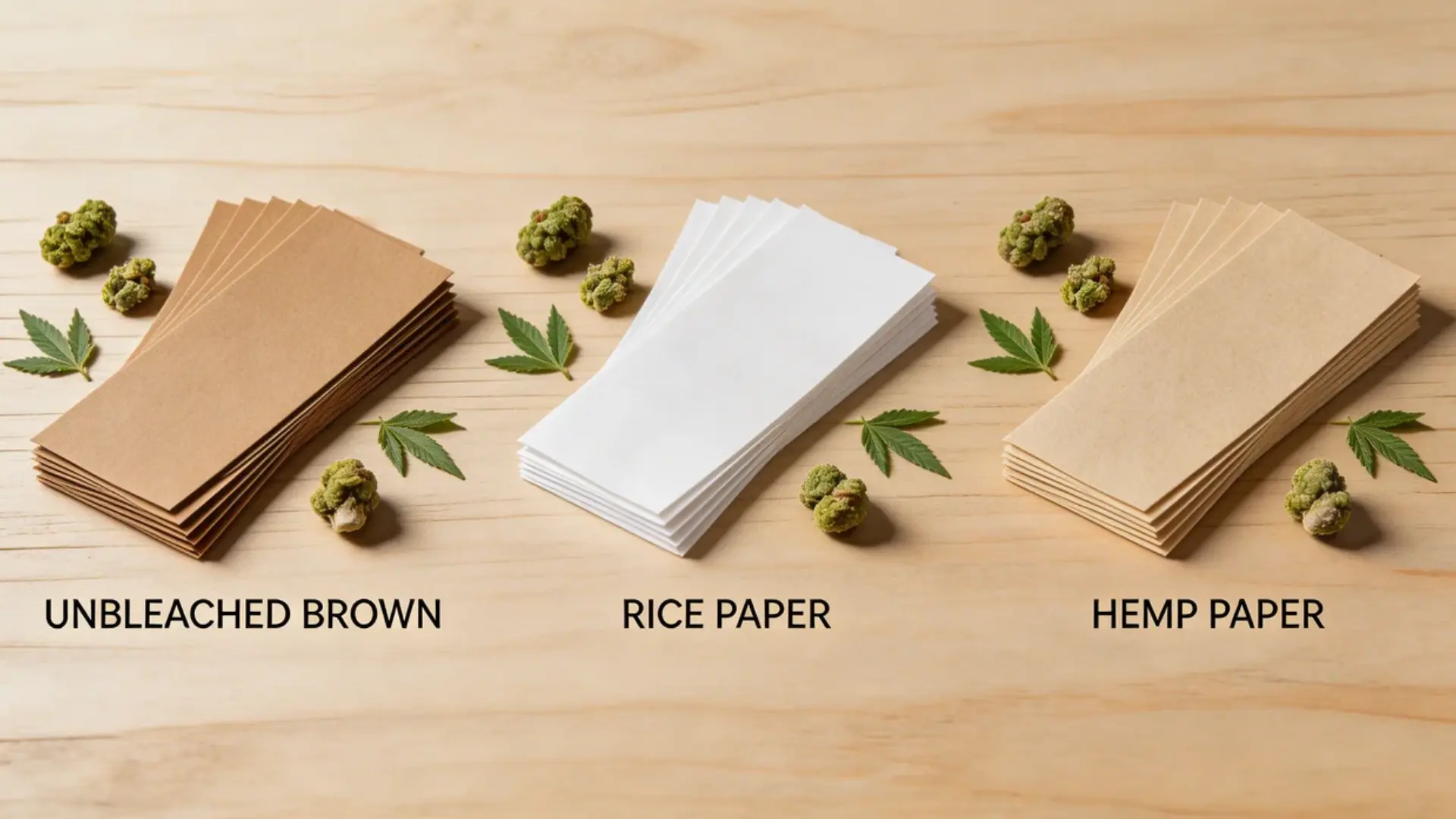
- If rolling paper is the choice, use unbleached hemp or rice paper. These produce a cleaner burn with fewer added chemicals. Look for products that are explicitly chlorine-free and additive-free.
- Check for hidden chemicals. Coatings, perfumes, artificial dyes, and flame-retardant treatments all increase what ends up in the smoke.
- Limit frequency. Occasional exposure produces less cumulative damage than habitual use.
- Ventilate the space. Smoking in a closed room concentrates particulates and gases in the air you continue to breathe between draws. Outdoors or in a well-ventilated space reduces the risk of re-inhalation of the smoke cloud.
Reducing risk does not mean eliminating it. Every time paper burns and the smoke is inhaled, the lungs are exposed to combustion byproducts.
Wrap Up
The lungs are not designed to handle any form of smoke, including paper. What enters the body when paper burns, carbon monoxide, fine particles, VOCs, formaldehyde, and potentially heavy metals or dioxins, depending on the paper type, causes real physiological harm.
Changing the paper type changes the concentration of certain toxins but does not change that fundamental equation. The safest option is not to smoke paper at all.
Frequently Asked Questions
Does smoking a single paper cause permanent lung damage?
A single, brief exposure is unlikely to cause permanent damage. The lungs can clear most particles from one-time contact. Irritation, coughing, and temporary dizziness are the typical responses. Heavy single-session exposure in an enclosed space carries more risk because oxygen levels can drop and particulate concentration rises.
Is rolling paper safer than notebook paper to smoke?
Unbleached rolling paper carries a lower risk profile than notebook paper, but is not safe. Notebook paper contains bleaching agents and fillers that release additional toxic byproducts when burned. Rolling paper made from hemp or rice is designed for combustion and contains fewer additives, which means a cleaner but still harmful burn.
Can smoking paper affect the heart as well as the lungs?
Yes. Carbon monoxide from paper smoke enters the bloodstream and reduces oxygen delivery throughout the body, placing immediate stress on the heart and blood vessels. With repeated exposure, this cardiovascular strain can contribute to long-term heart disease risk.
Does the color or thickness of paper change how harmful it is?
Both factors matter. Colored paper contains dyes that release additional toxic compounds when burned. Thicker paper produces more smoke and burns less cleanly than thinner sheets, increasing the volume of particulates and gases inhaled per session.
Is smoking paper addictive?
The paper itself does not contain nicotine or other chemically addictive compounds. However, the behavioral ritual of smoking can become psychologically reinforced over time, making the habit harder to stop even without a chemical dependency.
What is the most toxic type of paper to smoke?
Thermal paper, used for store receipts, ranks among the most toxic because it releases BPA and BPS when burned. Printed paper with heavy ink coverage and colored paper with synthetic dyes are also high-risk. Any paper that has been chemically treated, coated, or bleached with chlorine compounds releases a substantially more harmful smoke than plain cellulose.
Is smoking paper worse than smoking a cigarette?
The comparison depends on what the paper contains. Cigarette smoke contains nicotine and tobacco-specific carcinogens that plain paper does not. However, treated or printed paper can introduce heavy metals and dioxins that standard cigarette paper may not. Neither is safe. The more meaningful point is that smoke from any combusted material is harmful to the lungs, regardless of what is burning.
Sources
National Institutes of Health / PMC, “Smoke-Related Lung Tissue Damage and COPD Progression” (2024 review). Used to support the COPD section above.
Green Blazer, “Rolling Paper Type Matters, Avoid Smoking Toxins” (2025). Cites peer-reviewed 2024 analysis of 53 rolling paper products, finding heavy metals at unsafe levels in approximately one quarter of samples.