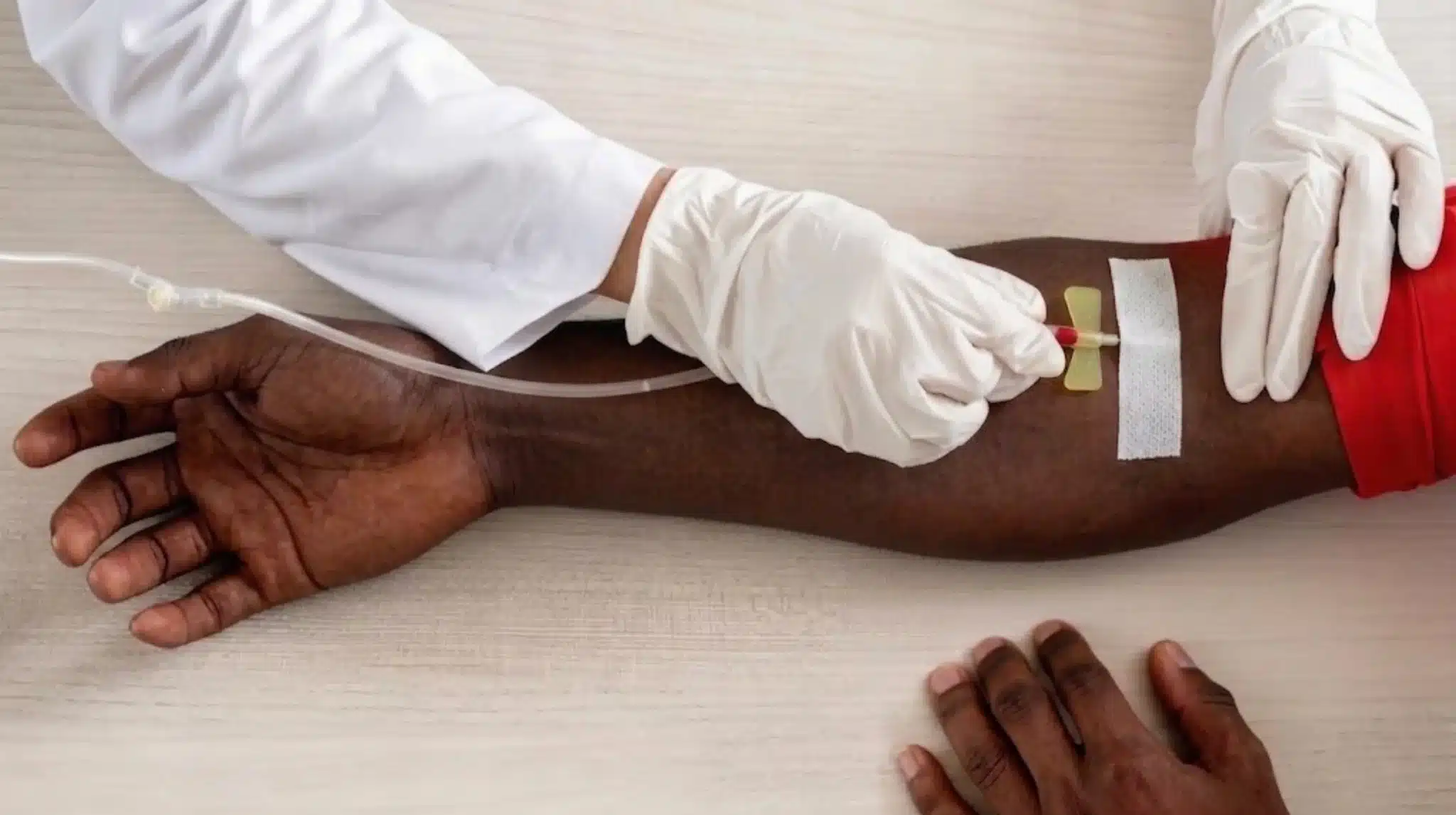
Ketamine therapy can reduce symptoms of treatment-resistant depression and certain anxiety disorders within hours of a single infusion, a timeline no currently approved oral antidepressant can match.
The cost, however, ranges from roughly $54 per at-home session to over $1,300 per IV infusion, and insurance covers it only in specific circumstances.
| Delivery Method | Cost Per Session | Typical Course Cost | Insurance Coverage | Setting |
| IV Infusion | $400–$1,300+ | $2,400–$6,400 (6–8 sessions) | Rarely, off-label for most conditions | In-clinic only |
| IM Injection | $275–$400 | $2,200–$3,200 (6–8 sessions) | Rarely covered | In-clinic only |
| Spravato (Esketamine Nasal Spray) | $100–$1,200+ (varies by insurance) | Varies; copay as low as $10 with coverage | Partial coverage possible (FDA-approved for TRD) | In-clinic only; 2-hour monitoring required |
| Oral/Sublingual Lozenges | $54–$300 | $600–$1,600 for initial series | Rarely covered; typically self-pay | At-home supervision quality varies |
| Ketamine-Assisted Psychotherapy Package | Priced as a full package | $3,000–$8,000+ | Rarely covered; therapy component reduces reimbursement likelihood | In-clinic dosing; therapy integrated separately |
When a treatment that started as a surgical anesthetic begins appearing in mental health clinics, pain management centers, and telehealth platforms, it is worth examining the evidence carefully. Ketamine has moved well beyond its original use, and questions about ketamine therapy cost, how fast ketamine works for anxiety, side effects of ketamine infusions for pain, and ketamine for pain arise constantly among people who have already worked through standard treatment options without adequate relief.
What follows is a practical breakdown of what ketamine therapy actually involves, so you can evaluate your options with real information at hand.
What Is Ketamine Therapy?
Ketamine therapy is not a single product or a uniform experience. It comes in several forms: IV infusions, intramuscular injections, intranasal esketamine (Spravato), oral and at-home protocols, and ketamine-assisted psychotherapy. Each carries a different cost structure, clinical setting, and evidence base.
Unlike most psychiatric medications that act on serotonin or dopamine, ketamine works by blocking NMDA receptors, which play a role in both mood regulation and pain signaling. That dual mechanism explains why it appears in conversations about both mental health and chronic pain.
Breaking Down What Ketamine Actually Costs
1. IV Ketamine Infusions
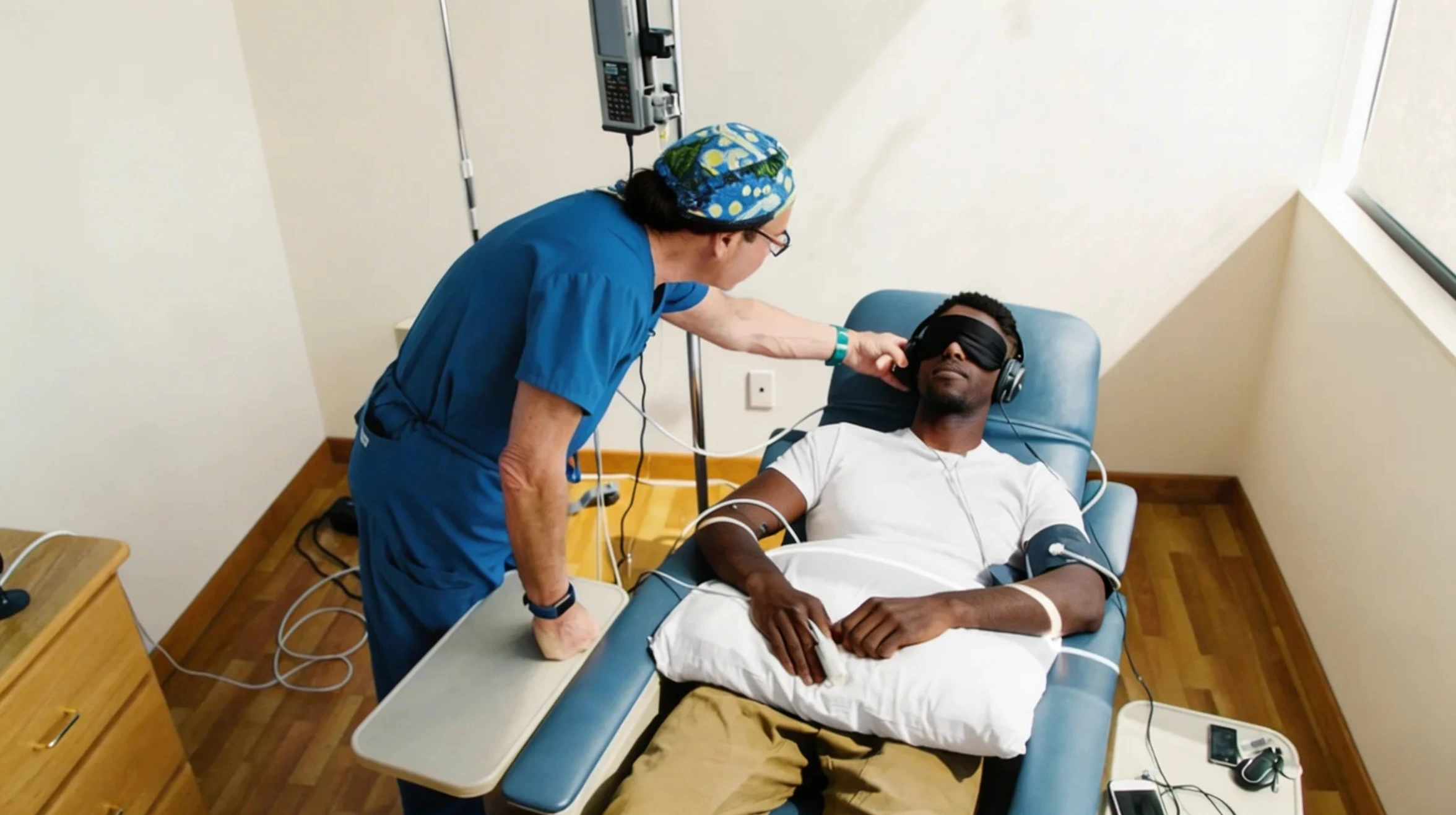
The most clinically studied route, IV infusions are administered in a medical setting under direct supervision. Pricing reflects that level of care and monitoring throughout. According to the American Society of Ketamine Physicians, Psychotherapists and Practitioners, $400 to $800 per session is considered a reasonable fee; costs above that range may exceed what most clinics should charge.
- Cost per session: $400–$800 at most clinics, rising to $800–$1,300+ at higher-end or metropolitan providers
- Full course cost: Approximately $2,400–$6,400 for a standard 6- to 8-session induction series
- Hidden costs to ask about: Initial consultation fees typically run $250–$500 and are often billed separately
- Insurance coverage: Rarely covered as it is prescribed off-label for most conditions
- Administration setting: Always in-clinic under direct medical supervision
Location, clinician experience, and clinic specialization all affect where your costs land within that range. Maintenance sessions, typically spaced every four to eight weeks after the induction series, add an ongoing expense at the same per-session rate.
2. Intramuscular (IM) Injections
IM injections are used less commonly than IV injections but offer a mid-range cost. They require shorter observation periods and no infusion pump, which simplifies clinic logistics and reduces per-session fees compared to IV, while maintaining clinically comparable therapeutic effects for many patients.
- Cost per session: $275–$400 at most providers
- Full course cost: Approximately $2,200–$3,200 for a standard 6- to 8-session series
- Insurance coverage: Rarely covered; generally self-pay
- Administration setting: In-clinic under medical supervision
3. Spravato (Esketamine Nasal Spray)
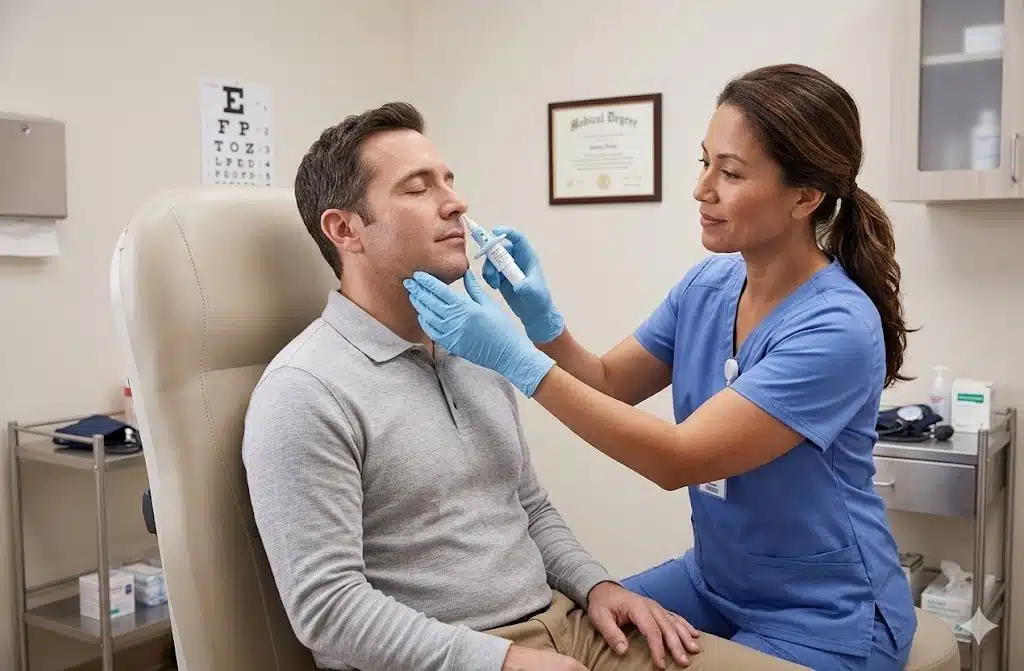
Unlike IV infusions, Spravato carries FDA approval for treatment-resistant depression, which changes the insurance conversation considerably for eligible patients.
The FDA also approved it as a monotherapy for depression in 2025. Note that mandatory two-hour in-clinic monitoring periods apply regardless of insurance status, and facility monitoring fees can add $200–$400 per visit on top of the medication cost for uninsured patients.
- Medication cost without insurance: Approximately $800 (56mg dose) to $1,200 (84mg dose)
- With insurance: Eligible patients can pay as little as $10 per session for medication, plus standard copay monitoring fees
- Insurance coverage: Partial coverage possible due to FDA-approved status for eligible diagnoses
- Administration setting: Always in-clinic with a required 2-hour monitoring period
Even with coverage, confirming your plan’s specific criteria before scheduling your first session is worth the effort.
4. At-Home and Oral Protocols

Oral ketamine programs offer a more financially accessible entry point, though the variation in clinical oversight across providers warrants close attention. Telehealth providers such as Innerwell offer sessions starting from approximately $54 per session, making this the most affordable format by a significant margin.
- Cost per session: Approximately $54–$300, depending on the program and provider
- Full course cost: $600–$1,600 for an initial series; lower overall, though maintenance costs can accumulate
- Insurance coverage: Rarely covered; typically an out-of-pocket expense from start to finish
- Administration setting: At home; supervision quality varies significantly across programs
Scrutinizing what clinical support is actually included, not just the price, matters before committing to any at-home protocol. Unsupervised at-home use carries documented risks of dependence and, in some protocols, overdose, particularly for patients with a history of substance use.
For a fuller picture of the risks specific to unsupervised ketamine use, the page on smoking ketamine covers how recreational use patterns amplify harm.
5. Ketamine-Assisted Psychotherapy Packages
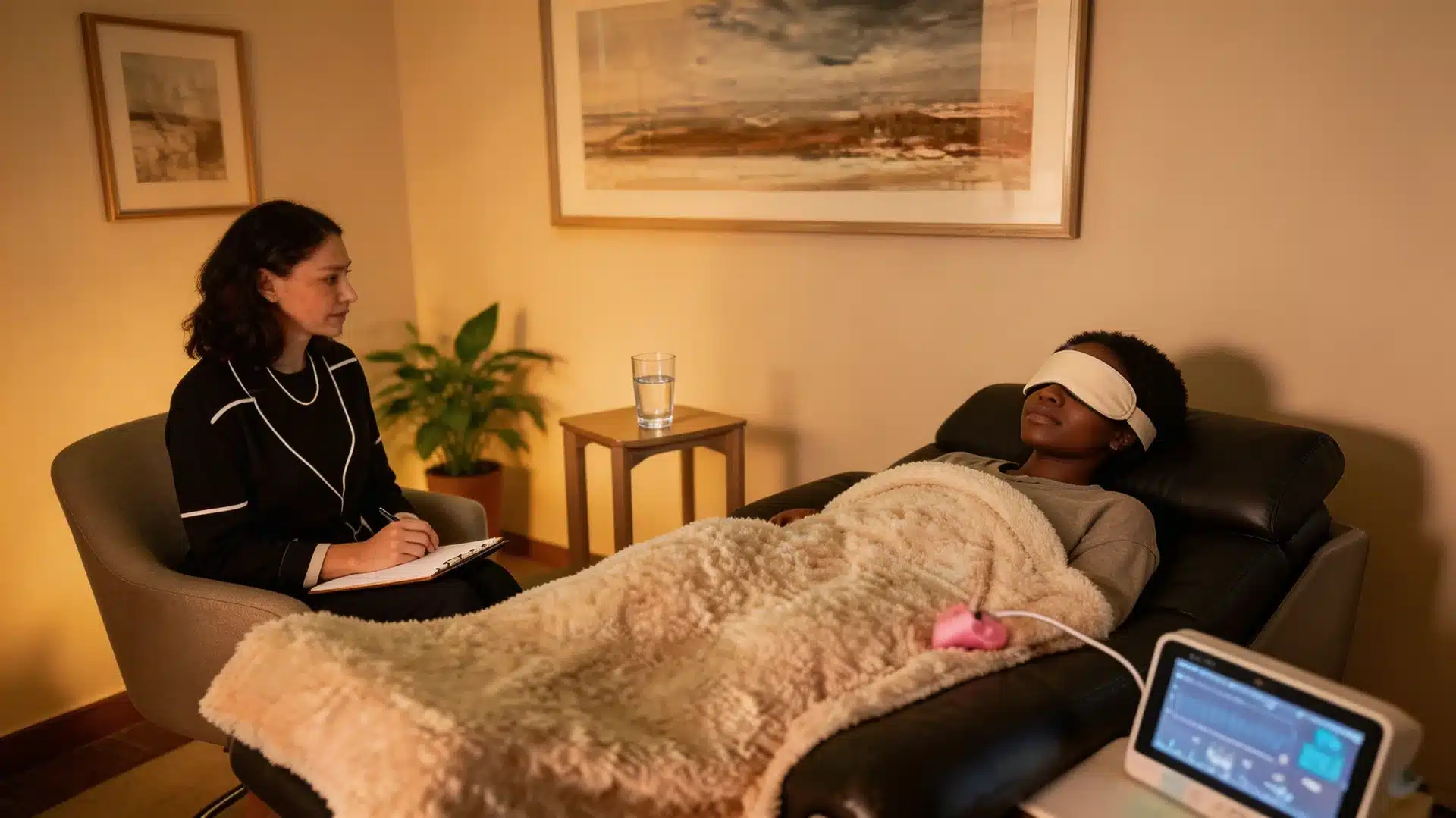
Bundled packages combine preparation, dosing, and integration sessions into a single structured program. Before comparing options, these are the cost factors worth evaluating:
- Full course cost: A few thousand dollars up to $8,000 or more, depending on session count and therapist credentials
- Insurance coverage: Rarely covered; the therapy component makes reimbursement even less likely
- Administration setting: In-clinic for dosing sessions, with therapy conducted separately or integrated
The value of a package depends heavily on how well the integration component is delivered, not just the dosing sessions alone.
A practical note worth keeping in mind: many insurance plans do not cover off-label IV ketamine. Requesting a superbill and confirming HSA or FSA eligibility with your provider are two steps that can meaningfully reduce out-of-pocket exposure. Some clinics also offer sliding-scale pricing or in-house payment plans; these are worth asking about directly before comparing providers on price alone.
How Fast Does Ketamine Work for Anxiety?
One of ketamine’s most discussed qualities is how fast it can produce a noticeable effect compared to conventional medications.
Within hours of a session: Many patients report a meaningful shift in mood or anxiety levels shortly after an infusion, a response that takes weeks with SSRIs or months with some therapy-based approaches.
Around 40 minutes post-infusion: Some controlled clinical studies have detected measurable reductions in anxiety symptoms within this window, which is notable against most pharmacological timelines.
24 to 48 hours after treatment: Effects often peak in this range before stabilizing. Maintenance sessions help extend and consolidate those benefits over time. For some patients, relief from a single session lasts several weeks; for others, retreatment is needed within four to six weeks to sustain improvement.
This speed matters most to people who have cycled through multiple failed treatments. The mechanism, NMDA receptor modulation and downstream effects on neuroplasticity, appears to account for ketamine’s faster action relative to serotonin-targeting medications.
One important caveat: ketamine’s use for anxiety remains largely off-label and is not FDA-approved specifically for anxiety disorders. Research is ongoing, and individual responses vary more than clinic marketing materials tend to suggest.
Pain Management: Where the Evidence Actually Stands
Ketamine has a genuine track record in acute pain settings. Emergency departments and surgical teams have used it for decades, and the evidence base there is solid. Chronic pain is a different matter. The table below summarizes where the evidence currently stands across pain categories:
| Pain Setting | Evidence Level | Notes |
| Acute/surgical pain | Strong | Established perioperative use |
| Neuropathic pain | Moderate, mixed | Off-label infusion protocols |
| Fibromyalgia | Limited | Inconsistent study results |
| CRPS (Complex Regional Pain Syndrome) | Some support | Specialist pain clinic setting |
A Cochrane systematic review found that evidence supporting ketamine specifically for chronic pain is weak and inconsistent. That does not rule out individual benefit, but it does call for measured expectations rather than certainty.
Pain management clinics sometimes offer structured two-session packages starting around $1,000, which allows you to assess personal response before committing to a longer course.
Side Effects Worth Understanding Before You Commit
Side effects are real, documented, and worth knowing before you walk into a clinic. Being prepared for what may happen during or after a session significantly changes the experience:
- Dissociation: A detached, floating mental state is common during infusion and typically resolves within hours of the session ending.
- Nausea and vomiting: Frequently reported across both mental health and pain protocols; antiemetic medications are often administered beforehand as a precaution. Fasting for several hours before a session also reduces the risk of nausea.
- Elevated blood pressure: Ketamine stimulates the sympathetic nervous system, causing temporary increases in blood pressure and heart rate that medical staff monitors throughout.
- Dizziness and blurred vision: Common during and shortly after treatment; patients must have someone drive them home.
- Psychological intensity: In sensitive individuals, particularly those with a history of psychosis or mood disorders, dissociative effects can become distressing without proper clinical oversight.
- Bladder and kidney risk: Long-term or heavy ketamine use, particularly outside supervised clinical settings, is linked to painful bladder syndrome and kidney damage. These risks are rarely observed at therapeutic doses under proper supervision, but become relevant in unsupervised maintenance or at-home protocols used over extended periods.
- Long-term unknowns: Repeated use in maintenance protocols is still under active investigation; no settled consensus exists on what extended exposure looks like over the years.
Knowing these effects in advance allows you to prepare practically and mentally. A qualified provider who conducts a thorough intake review significantly reduces the likelihood of adverse reactions occurring. Full medication disclosure during intake is essential: blood pressure medications, CNS sedatives, benzodiazepines, and certain psychiatric drugs can all interact with ketamine.
| Advisory: If you experience any unexpected or severe reactions during or after ketamine treatment, seek immediate assistance from a licensed healthcare provider or qualified medical professional without delay. |
Final Thoughts
Ketamine therapy sits in an interesting position in modern medicine: backed by real science, surrounded by genuine open questions, and meaningfully useful for some people who have not found relief through conventional options.
Understanding ketamine therapy cost, knowing how fast ketamine works for anxiety, being clear on the side effects of ketamine infusions for pain, and holding realistic expectations about ketamine for pain are not minor details. They are what separates a considered decision from a rushed one.
The most important next step is a direct conversation with a specialist who has real clinical experience: someone who can assess your specific history and offer a grounded evaluation rather than a sales pitch.
Frequently Asked Questions
How much does ketamine therapy cost without insurance?
Without insurance, IV ketamine infusions run $400–$1,300+ per session, with a typical 6- to 8-session induction series costing $2,400–$6,400. At-home oral protocols start around $54 per session. Spravato without coverage costs $900–$1,300 per session once monitoring fees are included. Add an initial consultation ($250–$500) that most clinics bill separately.
Does insurance cover ketamine therapy?
Coverage depends on the type. Spravato (esketamine) is the only ketamine-based treatment with FDA approval, which makes partial insurance coverage possible for eligible diagnoses like treatment-resistant depression. IV infusions are almost always considered off-label and are rarely reimbursed. HSA and FSA funds can generally be applied to prescribed ketamine treatment. Asking your insurer specifically about esketamine, CPT codes, and out-of-network reimbursement policies will give you the most accurate picture.
How many ketamine sessions are typically needed before results become noticeable?
Most treatment plans involve 4 to 6 sessions over 2 to 3 weeks. Some people notice a shift after one or two sessions; others need the full induction course. Maintenance sessions spaced every four to eight weeks are often recommended afterward to sustain results. Individual response varies considerably.
Can ketamine temporarily make anxiety worse before it improves?
Yes. Some patients experience a brief worsening of symptoms before improvement arrives. This is temporary, and your medical team can reduce the dose or pause treatment if needed. Knowing this in advance prevents misreading an early rough patch as treatment failure.
Who is not a suitable candidate for ketamine therapy?
Ketamine is contraindicated for people with schizophrenia, active psychosis, uncontrolled cardiovascular disease, severe liver conditions, or who are pregnant. A thorough intake evaluation with an experienced clinician is non-negotiable before any protocol begins, regardless of how straightforward a case appears.
How long do the effects of ketamine therapy actually last?
Relief after a single session can last days to weeks, depending on the individual. For chronic pain, some studies show analgesic effects lasting up to three months after prolonged infusion, though a notable decline in effect often means retreatment is needed within four to six weeks.
Are there financing options if insurance does not cover the cost?
Medical credit cards, in-house clinic payment plans, sliding-scale pricing, and clinical trials are all worth asking about. The Ketamine Research Foundation also runs an Access to Care program for people who cannot afford treatment through standard out-of-pocket channels.
Does ketamine interact with other medications currently being taken?
Yes, and full medication disclosure during intake is essential. Blood pressure medications, central nervous system sedatives, benzodiazepines, and certain psychiatric drugs can all interact with ketamine. Those with a history of substance use disorder require extra caution due to the potential for psychological dependence.
Sources
American Society of Ketamine Physicians, Psychotherapists and Practitioners, “IV Ketamine Pricing Standards.” Referenced in Avesta Ketamine Wellness cost guide, 2025.
Cochrane Systematic Review, “Ketamine and Chronic Pain: Evidence Assessment.” Referenced in clinical summaries on off-label pain protocols.
U.S. Food and Drug Administration, “FDA approves Spravato (esketamine) for treatment-resistant depression.” FDA.gov, 2019; updated approval as monotherapy for depression, 2025.