| ⚠️ Advisory: This article covers cannabis care and harm-reduction practices. If you are experiencing respiratory symptoms after smoking, contact a healthcare provider. If you have questions about cannabis use and your health, consult a qualified medical professional. |
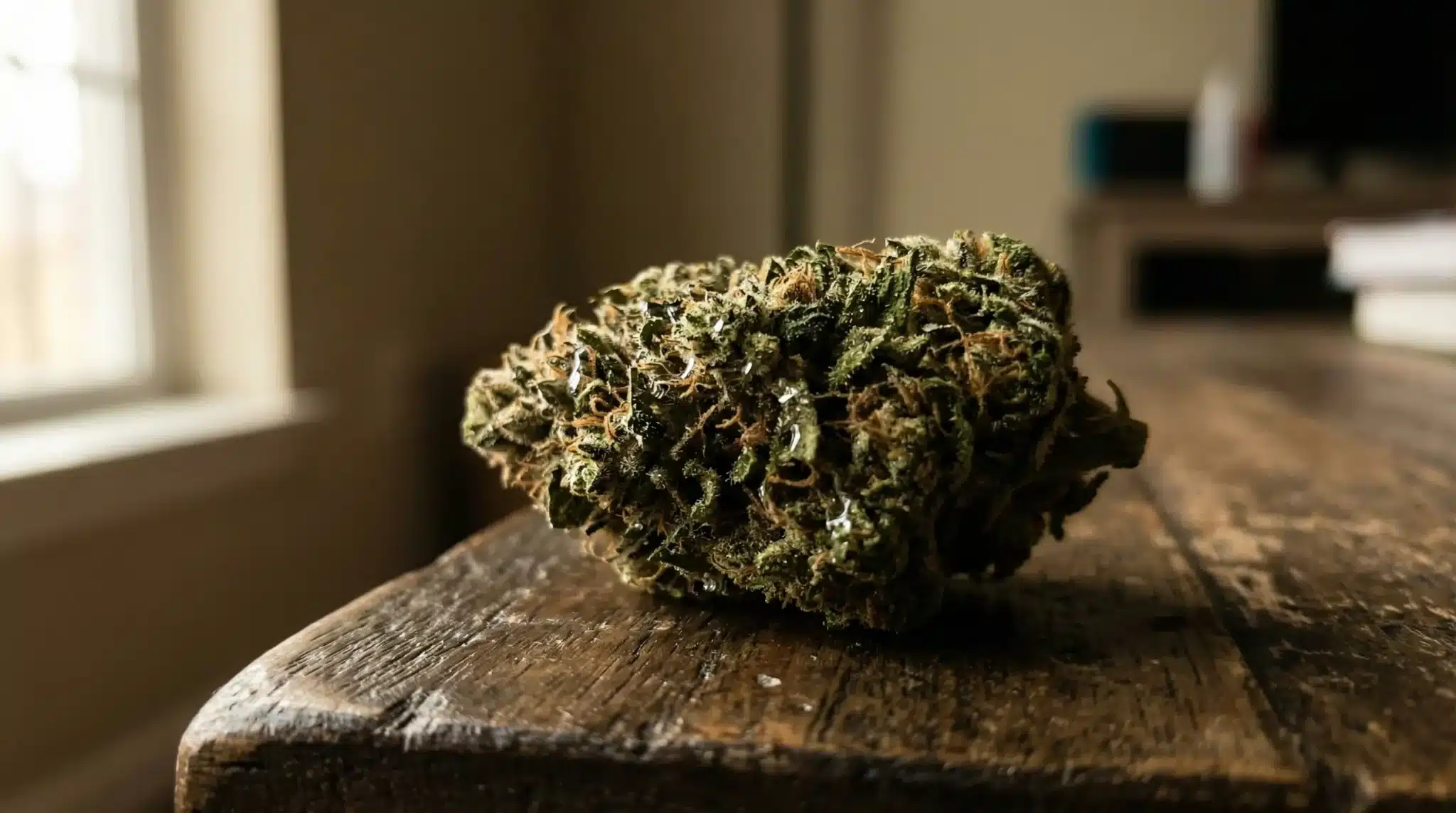
Wet cannabis does not burn properly, produces harsher smoke, and can carry mold if left untreated. Whether it got caught in the rain, tipped over, or has been sitting in a humid environment, the outcome depends on how quickly you act and whether mold has already set in.
This guide covers how to assess wet weed by stage, which drying methods actually work, the health risks involved, and how to store your cannabis so it never gets this way again.
Quick Reference: Wet Weed by Stage
| Stage | Signs | Action |
| Slightly Damp | Soft but holds shape; no strange smell or visible growth | Dry immediately; recoverable with minimal quality loss |
| Too Wet | Spongy, compresses easily, hard to grind or keep lit | Dry immediately; mold risk is high at this stage |
| Moldy | Fuzzy spots, musty or stale smell | Discard completely; not safe to use under any circumstances |
Why Smoking Wet Weed Is Not Recommended
Wet cannabis does not burn properly, making it harder to light and keep lit. The excess moisture creates harsh, unpleasant smoke that irritates the throat and lungs. Incomplete combustion from damp cannabis also produces more tar and carbon monoxide than properly dried flower.
Beyond the smoke quality, the bigger concern is mold. Wet conditions accelerate fungal growth, and even if mold is not yet visible, inhaling spores from compromised cannabis can cause coughing, chest tightness, and difficulty breathing. For people with asthma or compromised immune systems, the risks are more serious. One study linked Aspergillus contamination in cannabis to fatal lung infections in immunocompromised patients.
Wet weed that came into contact with standing water, not just rain or a clean spill, carries the additional risk of bacterial contamination, including pathogens that survive normal drying.
Sources of Moisture in Weed
Moisture builds up in cannabis more easily than expected, particularly when storage conditions are uncontrolled. The most common causes:
- Rain and accidental spills: Exposure to rain or a spill can quickly soak your buds and raise moisture levels.
- High humidity: Cannabis absorbs moisture from humid environments over time, leading to gradual dampness.
- Poor storage: Loose containers or plastic bags trap moisture, worsening the problem.
- Fresh or uncured weed: Cannabis that is freshly harvested or has not been properly cured holds significantly more water, naturally containing 70-80% moisture before the drying process reduces it to a smokeable level.
Identifying the source of moisture helps you fix the problem and prevents it from repeating.
How to Tell If Wet Weed Is Still Safe to Use
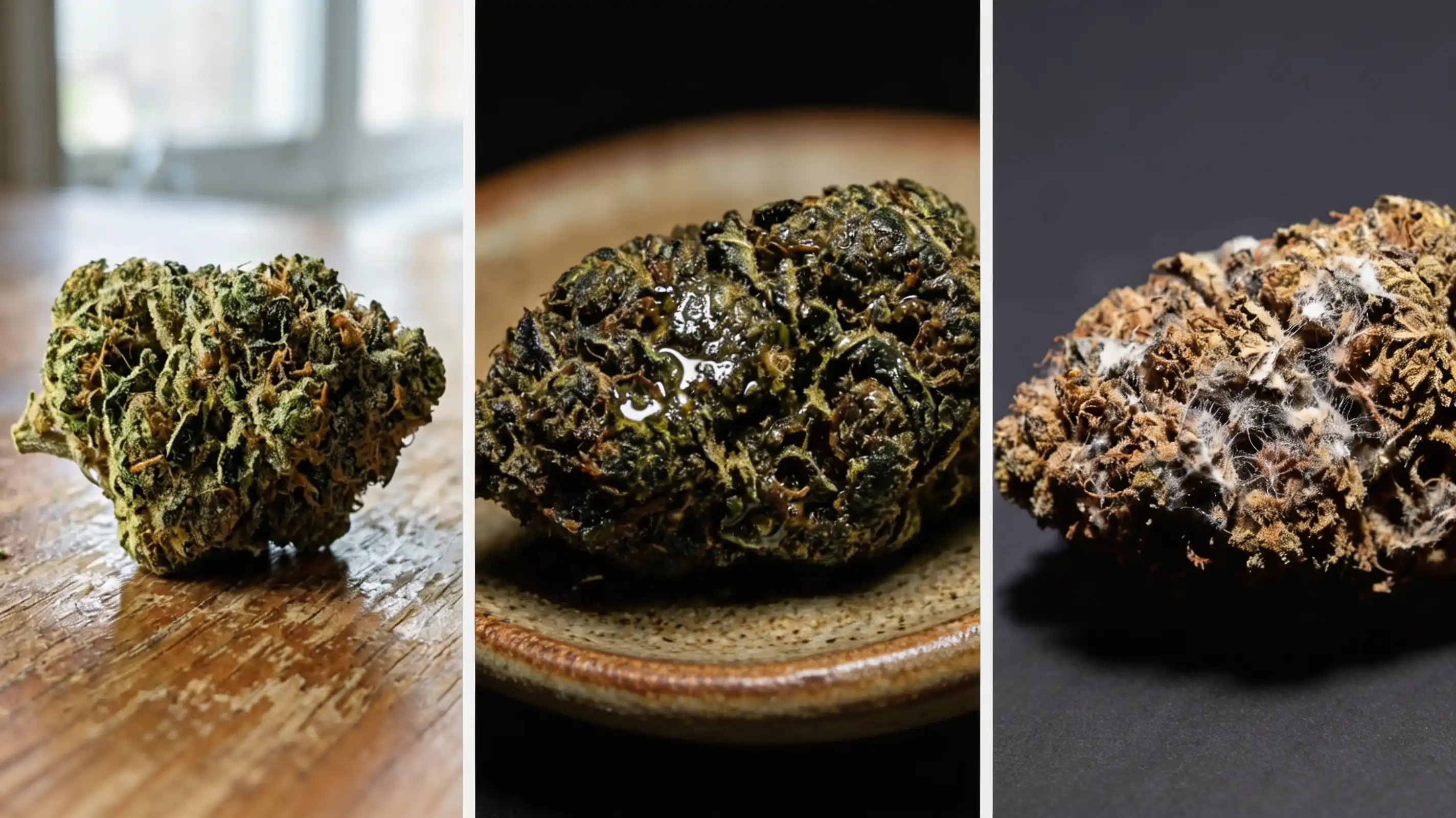
Not all wet weed is in the same situation. Knowing exactly where it stands determines whether it can be saved, dried, or discarded entirely.
1. Slightly Damp: Buds feel soft but still hold their shape and do not have any strange smell or visible growth on the surface. This is the easiest condition to fix. You can dry it properly and still get good-quality results with minimal loss.
2. Too Wet: Buds feel spongy, compress easily, and are hard to grind or burn, often going out quickly while smoking. At this stage, moisture is high and mold can develop fast. Dry it immediately to prevent further damage.
3. Moldy: Buds show fuzzy spots and smell musty or stale, which clearly indicates mold growth has already started. This is unsafe to use. Discard it completely to avoid serious health risks from inhaling mold. Mold removal techniques like washing buds or removing visible growth are not effective and do not eliminate the danger of mold spores.
A quick stem-snap test also helps: if a stem inside the bud bends without breaking, significant moisture remains. A clean snap indicates the bud is at or near the right dryness.
How Long Does Wet Weed Take to Dry?
Drying time depends on how wet the cannabis is and the method used. Here is what to expect based on moisture level:
| Moisture Level | Drying Time | Recommended Method |
| Slightly Damp | A few hours to 24 hours | Airflow or humidity pack |
| Moderately Wet | 1 to 3 days | Air drying or the paper bag method |
| Heavily Soaked | Up to 5 days or more | Air drying with consistent ventilation |
| Rice or Silica Method | 24 to 48 hours | Works best for moderate moisture |
Fast drying methods reduce time but can affect quality. Slow, controlled drying produces the best results without compromising potency or flavor.
Risks of Smoking Wet Weed
Wet weed is a quality issue; moldy or bacterially contaminated weed is a serious health risk. Here is what to consider before smoking:
- Throat irritation: Moisture-heavy smoke causes coughing and discomfort with every hit.
- Respiratory sensitivity: For people with asthma or existing respiratory conditions, damp weed can cause severe irritation.
- Mold exposure: Wet cannabis accelerates fungal growth, which can lead to coughing, chest tightness, and difficulty breathing.
- Lung infection risk: Inhaling mold spores can lead to serious conditions, including pneumonia and fungal lung infections. Immunocompromised users face the highest risk.
- Bacterial contamination: Standing water can introduce pathogens that survive even after the cannabis appears dry.
- Reduced efficiency: Wet cannabis burns poorly, wasting more product than it actually delivers.
Always assess the condition before smoking. When in doubt, dry it first.
Can You Use Wet Weed After Drying?
Yes, but only if it shows zero signs of mold.
Wet cannabis that has been properly dried and is completely mold-free is safe to use. Bringing moisture back down to the ideal 10 to 12% range restores combustion quality, and as long as the buds smell normal and look clean, the recovery is genuine with minimal quality loss.
Mold changes that completely. Drying contaminated cannabis removes the moisture but leaves the mold spores fully intact. The health risks do not disappear with the water content. Any unusual smell that persists after drying points to the same conclusion: discard it.
Clean and dry means the stash is back in play. Any sign of mold or persistent off-smell means it goes in the bin, no second-guessing.
Does Wet Weed Lose Potency?
Wet weed does not immediately lose potency from water exposure alone, but quality can drop depending on how long it stays damp. THC itself is not washed away by water, so short-term moisture typically does not significantly reduce strength. The bigger issue is what happens over time.
Prolonged damp conditions can gradually degrade cannabinoids and affect how the weed burns. Terpene loss is more noticeable: moisture can weaken flavor and aroma expression. If mold develops, potency becomes irrelevant because the weed is no longer safe to use. Slight dampness is recoverable; long-term moisture leads to both quality loss and safety concerns.
Drying Wet Weed: Methods That Actually Work
Wet weed is not always a lost cause. The right drying method depends on how wet the cannabis actually is and what is available.
| Avoid these shortcuts: Hair dryers, microwaves, and ovens may appear to dry the surface but destroy trichomes, reduce THC levels, and leave the interior still damp. Microwaves do not dry buds; they cook them. Direct sunlight has the same degrading effect on cannabinoids. |
1. Air Drying
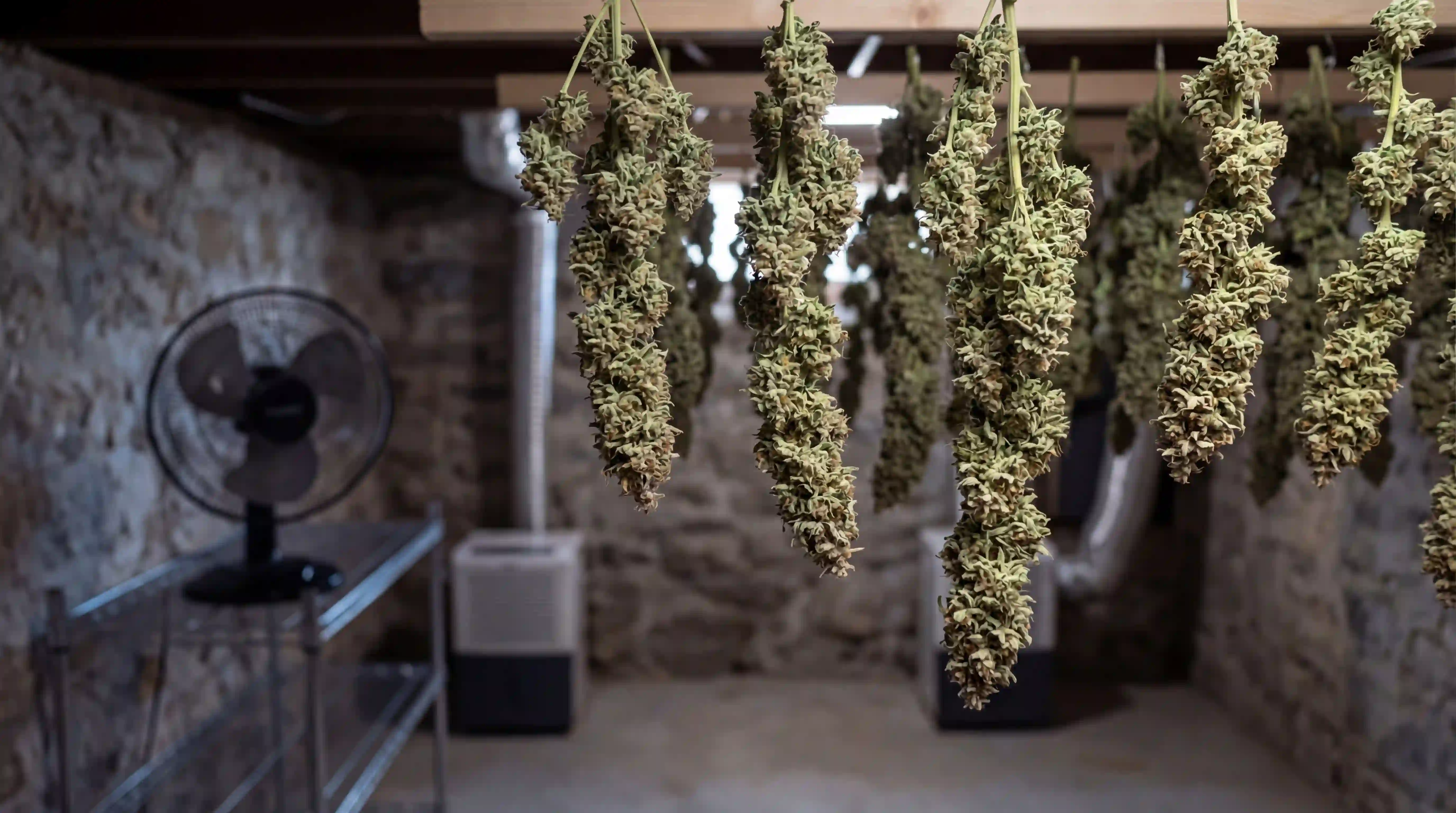
This method works best when full recovery is the priority. Place the buds on a drying rack or hang them upside down in a space with good airflow. Keep the area cool, dark, and stable. A standing fan directed at the buds, not directly blowing on them at close range, speeds up the process without overdrying. Break larger nugs into smaller chunks first to allow even airflow throughout.
Best for: Heavily soaked or very damp cannabis
Suitable for: Users who can control temperature and airflow at home
2. Paper Bag Method
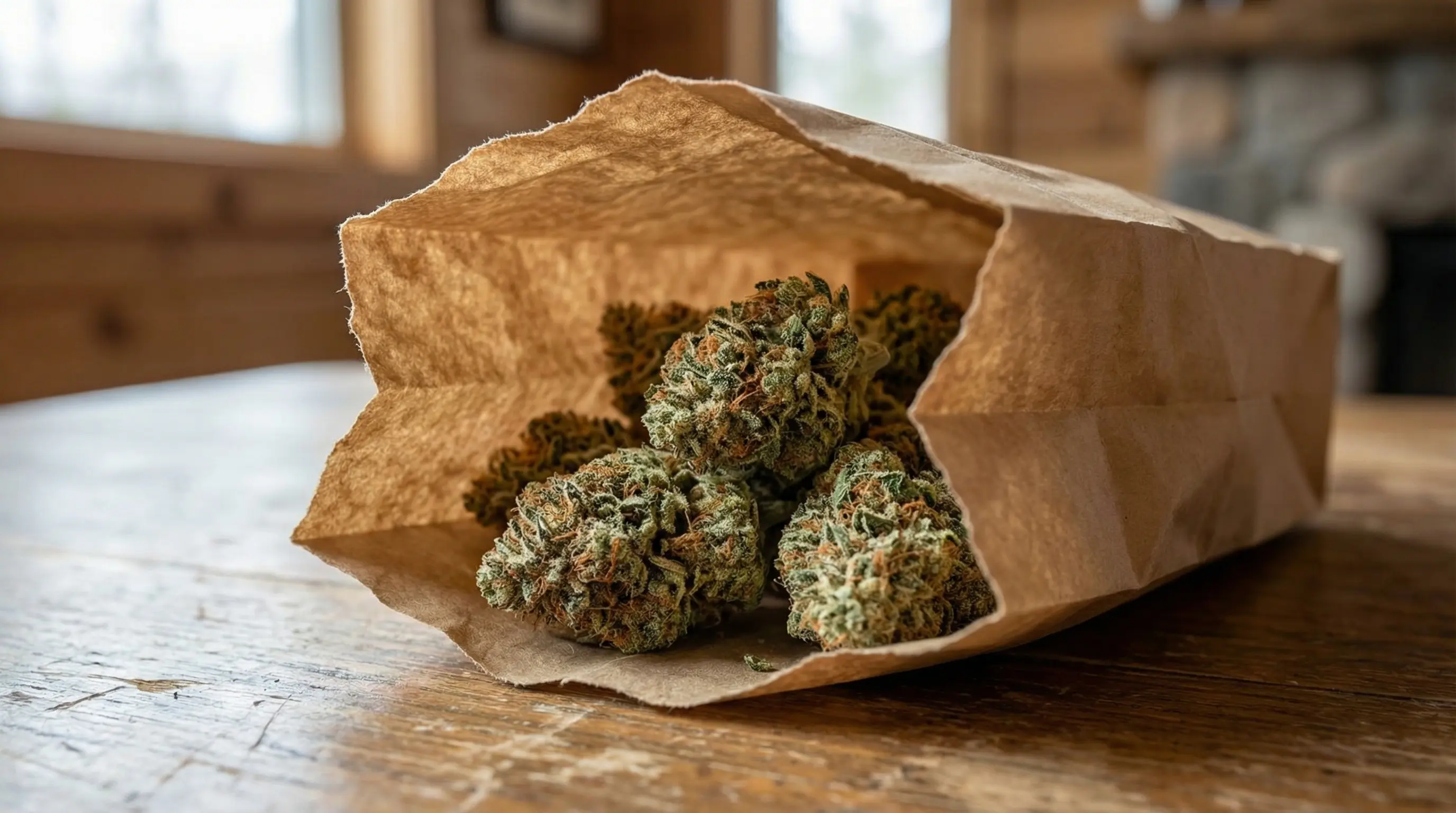
A practical option when a full drying setup is not available. Place the buds inside a paper bag and leave them in a cool, dry location. The paper naturally absorbs surrounding moisture while allowing enough air circulation to prevent the buds from sitting in their own humidity. Turn the buds every few hours to speed up the process and prevent uneven drying.
Best for: Slightly to moderately damp cannabis
Suitable for: Quick setups without special tools
3. Rice or Silica Gel Method
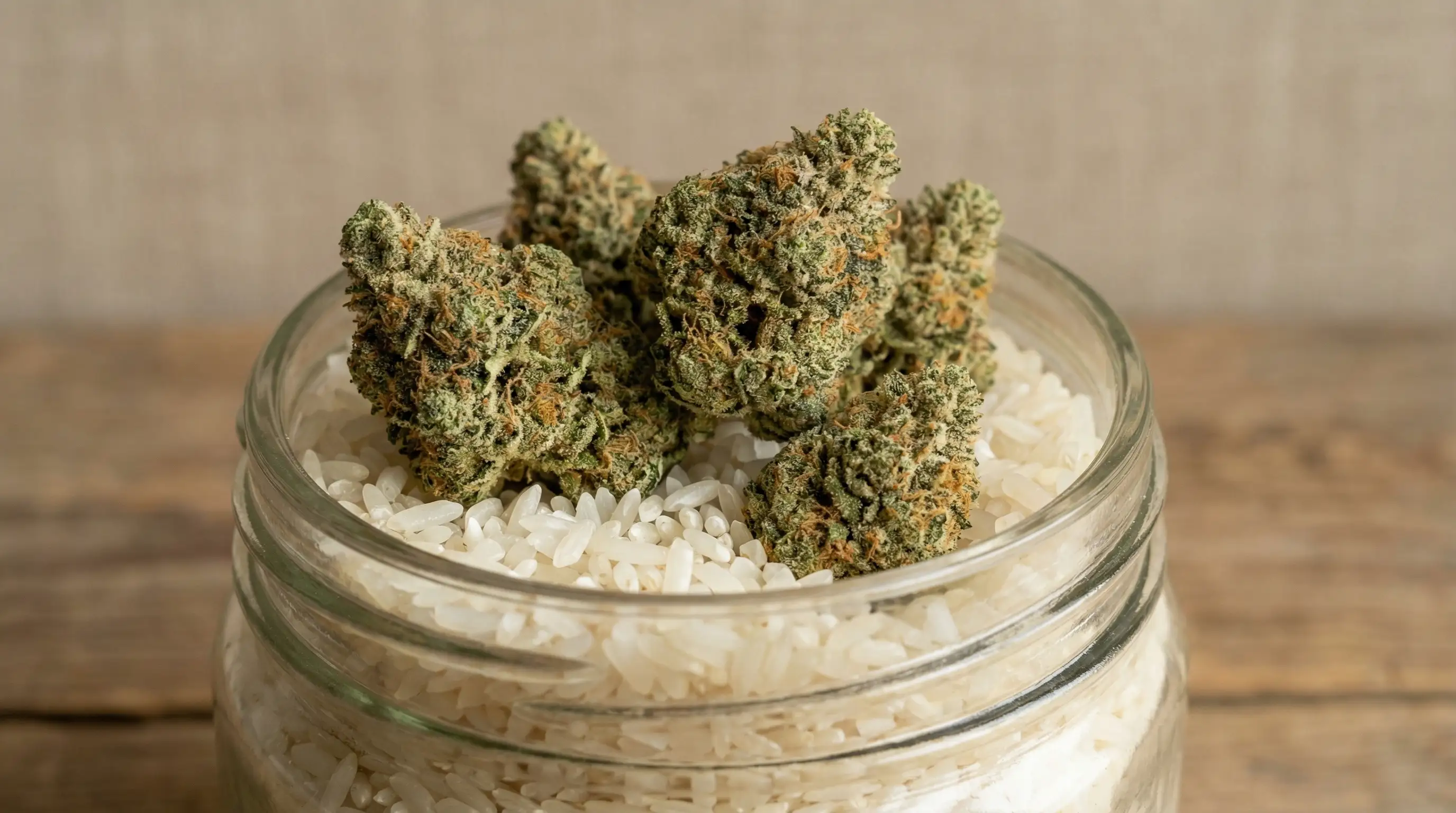
Place the cannabis in an airtight container, preferably a mason jar, and surround it with uncooked rice or silica gel packets. Both work passively to absorb excess moisture. Leave the lid slightly ajar or open for ventilation, and check every few hours to avoid overdrying or mold development. Silica gel is faster and more consistent than rice at moisture absorption.
Best for: Moderately wet cannabis
Suitable for: Fast, low-effort moisture removal at home
4. Humidity Packs
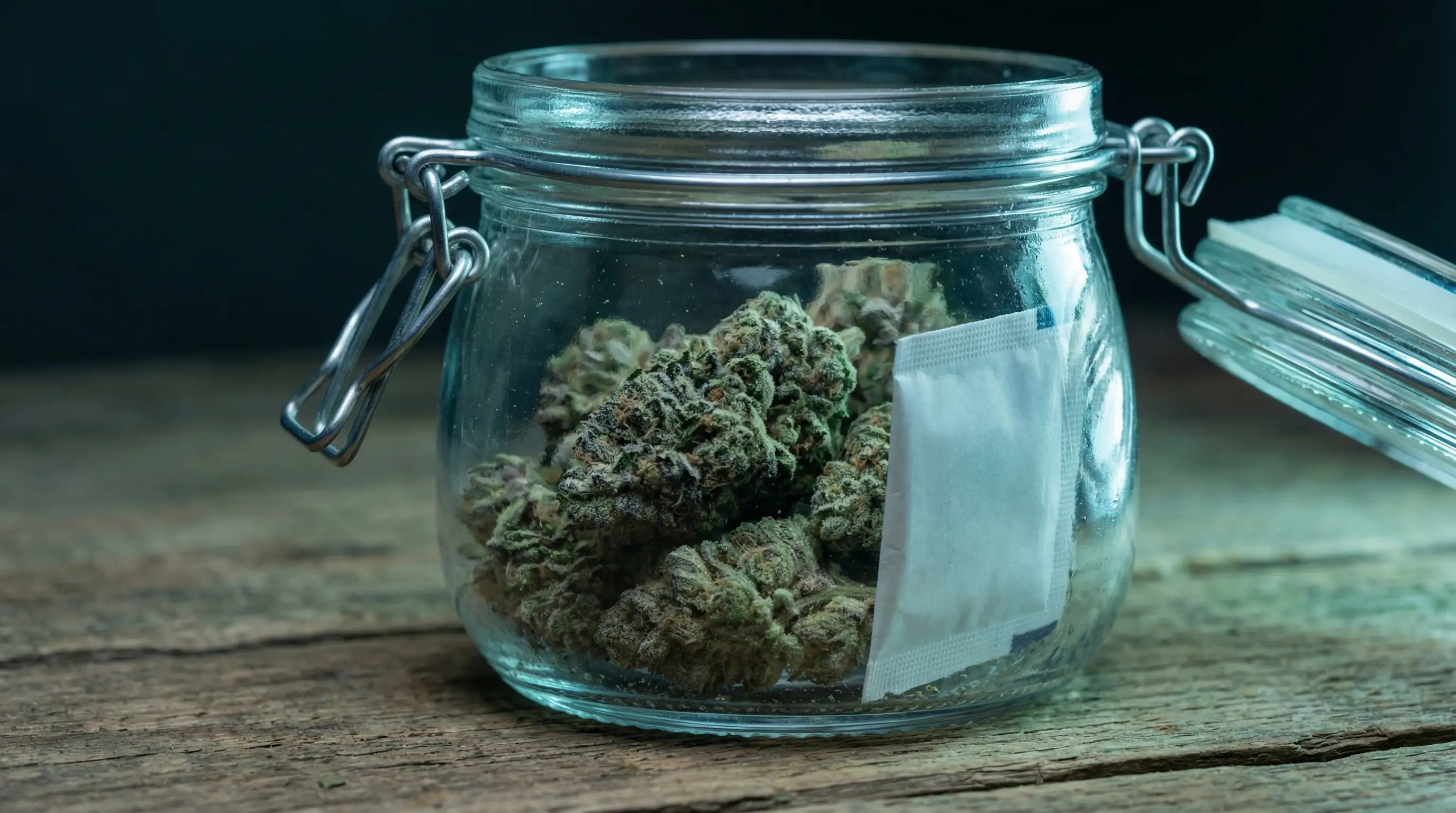
Best suited for cannabis that is slightly damp rather than fully soaked. Products like Boveda 62% humidity packs regulate moisture in both directions, pulling excess humidity out when levels are too high and reintroducing it when the buds start drying out too much. Placing one inside an airtight storage container creates a controlled environment that gradually recovers the stash without the risk of overdrying.
Best for: Slightly damp cannabis
Suitable for: Users who already store cannabis in airtight containers
Can You Vape Wet Weed?
Technically, you can attempt to vape slightly damp cannabis using a dry herb vaporizer, but the experience will be poor and the results inconsistent. Wet cannabis in a vaporizer produces an unpleasant taste, uneven heating, and significantly reduced vapor output. It is worth drying it first before loading it into any device.
How to Store Cannabis to Prevent It From Getting Wet
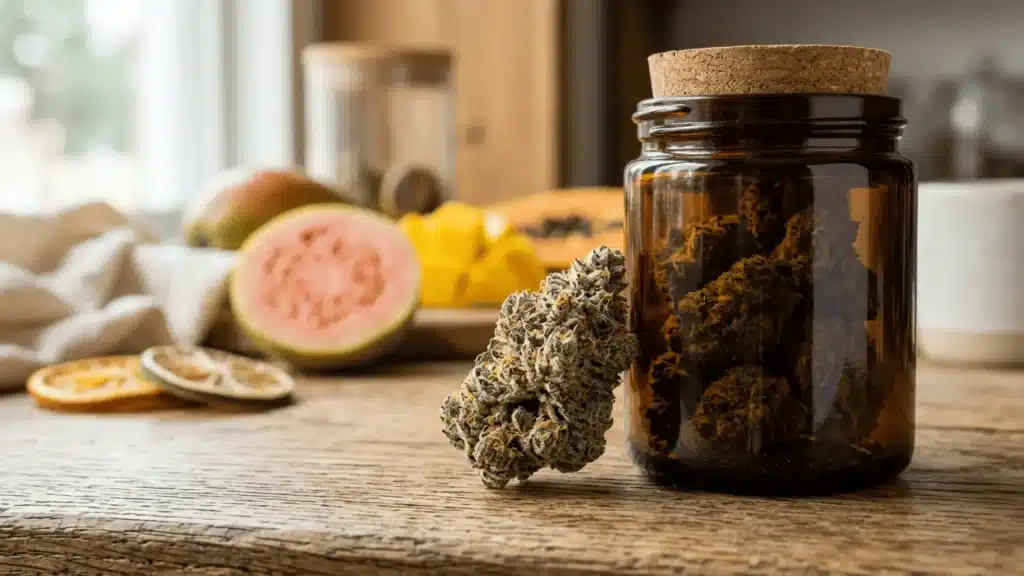
Proper storage prevents the problem from occurring in the first place. The target is a relative humidity of 55 to 62% inside the storage container.
- Use airtight glass containers, mason jars being the most reliable choice.
- Add a Boveda or similar humidity pack to the jar to maintain stable moisture levels.
- Store in a cool, dark place away from heat sources and direct light.
- Avoid plastic bags, which trap and concentrate moisture against the buds.
- Keep cannabis away from areas with humidity fluctuations, such as bathrooms or kitchen counters.
Frequently Asked Questions
Can you smoke wet weed without getting sick?
Slightly damp weed that shows no mold is unlikely to make you acutely sick, but it will irritate your throat and lungs and produce harsher smoke. The risk increases significantly if the weed has had time to develop mold, even if it is not yet visible.
How do I know if my weed has mold?
Look for fuzzy white, gray, or greenish spots on the buds. Smell for a musty, mildewy, or stale odor that is clearly different from the strain’s natural scent. If the bud feels slimy or falls apart unusually easily, mold has likely set in. When in doubt, discard it.
Does drying fix moldy weed?
No. Drying removes moisture but does not eliminate mold spores. Once cannabis is moldy, the only safe option is to discard it entirely. Mold spore removal techniques like washing the buds do not work and may introduce additional contamination.
How do I dry weed fast without losing potency?
The standing fan method, combined with breaking nugs into smaller pieces, is the fastest option that does not significantly damage trichomes. Avoid hair dryers, microwaves, and ovens, as these degrade cannabinoids and terpenes even when set to low heat.
Will wet weed still get me high after drying?
Yes, assuming no mold is present. THC is not washed away by water. Potency loss from short-term moisture exposure is minimal. Prolonged dampness and terpene degradation affect flavor more noticeably than strength.
What does smoking wet weed feel like?
Users commonly describe the experience as harsh, unpleasant, and difficult to sustain. The smoke is damp and thick, leading to immediate coughing and throat irritation. The burn is uneven, and the joint or bowl tends to go out repeatedly.
Can wet weed cause a lung infection?
Smoking clean, damp weed once is unlikely to cause a lung infection in healthy individuals. However, repeated exposure to mold-contaminated cannabis has been linked in research to fungal lung infections, particularly in immunocompromised users. Aspergillus species found in moldy cannabis have been associated with serious respiratory illness.
What is the ideal moisture level for cannabis?
The ideal moisture content for smokable cannabis is between 10 and 15% water content, with 62% relative humidity in the storage environment considered optimal for preserving potency and preventing both mold and over-drying.
Conclusion
If your weed gets wet, the condition it is in determines everything. Slightly damp and mold-free means it can be recovered; moldy means it goes in the bin. Use the appropriate drying method for the moisture level you are dealing with, and always do a smell and visual check before smoking.
Proper storage in airtight glass containers with humidity packs, kept in a cool and dark location, is the most reliable way to prevent the problem from arising again.
Sources
- NuggMD Cannabis Education Blog, 2024 – Overview of combustion issues and mold risk in damp cannabis.
- Canapuff Cannabis Blog, 2025 – Notes on incomplete combustion, bacterial contamination, and immunocompromised risk from Aspergillus.
- Soft Secrets Cannabis Growing Guide – Stem-snap dryness test methodology and flash-drying risks.
- VIVOSUN Growing Guide, 2024 – Rice and silica gel methods for drying wet cannabis.
Reviewed for accuracy and editorial standards. This article is for informational purposes only and does not constitute medical advice. Always consult a qualified healthcare provider regarding health concerns related to cannabis use.