
You might have come across strange stories about people seeing things that are not real and wondered what drugs make you hallucinate, and how that even happens.
The short answer is that certain substances change how your brain processes signals, which can affect what you see, hear, and feel.
In this guide, I will explain what drugs make you hallucinate, how these substances affect your brain, and why these experiences occur. You will also learn about the most common drugs linked to hallucinations, how long their effects last, and the risks involved.
By the end, you will clearly understand what is happening inside your brain and why these effects should be taken seriously.
Quick Reference: Drugs That Cause Hallucinations
| Drug | Category | Duration of Effects | Primary Mechanism |
|---|---|---|---|
| LSD | Classic hallucinogen | 8 to 12 hours | 5-HT2A serotonin receptor agonism |
| Psilocybin (magic mushrooms) | Classic hallucinogen | 4 to 6 hours | 5-HT2A serotonin receptor agonism |
| Mescaline (peyote) | Classic hallucinogen | 10 to 12 hours | 5-HT2A serotonin receptor agonism |
| DMT / Ayahuasca | Classic hallucinogen | 15 to 30 min (DMT); 4 to 6 hours (ayahuasca) | 5-HT2A serotonin receptor agonism |
| Ketamine | Dissociative | 1 to 2 hours | NMDA receptor blockade |
| PCP | Dissociative | Several hours | NMDA receptor blockade |
| DXM | Dissociative (high dose) | 4 to 6 hours | NMDA receptor blockade |
| Salvia divinorum | Dissociative-like | 5 to 10 minutes | Kappa opioid receptor agonism |
| Datura | Deliriant | 12 to 24+ hours | Anticholinergic (muscarinic antagonism) |
| MDMA | Empathogen/stimulant | 3 to 6 hours | Serotonin/dopamine release (mild perceptual effects) |
| LSD analogues (1P-LSD, ALD-52) | Classic hallucinogen | 8 to 12 hours | 5-HT2A agonism (prodrug conversion) |
What are Hallucinogens?
Hallucinogens are drugs that change how you see, hear, and experience the world around you. They affect the brain by disrupting normal chemical signals, especially those linked to serotonin and other neurotransmitters.
This can lead to seeing things that are not there, hearing sounds that do not exist, or feeling disconnected from reality.
These substances can affect mood, thoughts, and perception in different ways depending on the type and amount used.
Some people use them intentionally for certain experiences, while others may come across them through misuse or interactions with other substances. The effects can vary widely from person to person and situation.
The National Institute on Drug Abuse (NIDA) divides hallucinogenic drugs into two primary categories with distinct mechanisms and risk profiles:
- Classic hallucinogens (LSD, psilocybin, mescaline, DMT): Act primarily on serotonin 5-HT2A receptors. They produce vivid visual and sensory distortions while generally leaving the person with some awareness that their perceptions may not be real.
- Dissociative drugs (ketamine, PCP, DXM): Block NMDA glutamate receptors. They produce feelings of detachment from the body and environment alongside hallucinations, and impair insight more severely than classic hallucinogens.
A third category, deliriants (datura, high-dose anticholinergics), produces true delirium where the person cannot distinguish what is real from what is not. This carries a significantly higher safety risk than either category above.
The Three Pharmacological Pathways Behind Drug-Induced Hallucinations
In clinical pharmacology, a substance’s receptor mechanism tells you what kind of experience to expect, how well insight is preserved, and what the most likely complications are. There are three primary pathways, plus a fourth responsible for the most dangerous category:
1. Serotonin 5-HT2A receptor activation (classic hallucinogens): LSD, psilocybin, mescaline, and DMT bind to 5-HT2A receptors in the prefrontal cortex, disrupting the brain’s normal sensory filtering system. The person typically retains some awareness that their experience may not be real, though this is dose-dependent.
2. NMDA receptor blockade (dissociatives): Ketamine, PCP, and high-dose DXM block the NMDA glutamate receptor, preventing the brain from properly integrating sensory data. This produces the dissociated, out-of-body feeling characteristic of these substances, with more severely impaired insight than 5-HT2A agonists.
3. Dopamine D2 receptor activation (stimulants at high doses): High-dose amphetamines or cocaine push dopamine circuits into states that produce hallucinations similar to stimulant-induced psychosis. These are less predictable and often more disturbing than classic or dissociative hallucinogens.
4. Anticholinergic receptor blockade (deliriants): Datura and atropine-containing plants block muscarinic acetylcholine receptors, producing true delirium. The person cannot distinguish what is real from what is not and loses memory of the episode. This pathway carries the most severe clinical risk of the four.
What Drugs Make You Hallucinate
Hallucinogenic drugs fall into several main categories based on how they affect your brain. These drugs that make you hallucinate can create very different experiences, from visual distortions to deep confusion. Each type works in its own way, but all of them interfere with how your brain processes reality. Here are some of the most common examples.
1. LSD (Lysergic Acid Diethylamide)

LSD is a powerful hallucinogenic drug that changes how you see, feel, and think, even in very small amounts.
How it works: LSD binds with high affinity to serotonin 5-HT2A receptors in the prefrontal cortex, disrupting the normal filtering of sensory signals and altering perception, mood, and sensory processing, leading to visual and mental distortions.
Duration: Effects usually begin within 20 to 90 minutes and can last between 8 and 12 hours.
Risks: LSD can cause anxiety, panic, and confusion. It can trigger or worsen underlying psychiatric conditions, particularly psychosis in predisposed individuals.
In some cases, users may experience HPPD (Hallucinogen Persisting Perception Disorder), where visual disturbances continue weeks, months, or years after use. LSD also interacts dangerously with serotonergic medications including SSRIs, carrying a risk of serotonin syndrome.
2. Psilocybin (Magic Mushrooms)

Psilocybin is a natural hallucinogenic compound found in certain mushrooms, commonly called magic mushrooms.
How it works: In the body, psilocybin is converted to psilocin, which affects serotonin 5-HT2A receptors in the brain, changing mood, perception, and how sensory information is processed.
Duration: Effects usually begin within 20 to 40 minutes and last around 4 to 6 hours.
Risks: It can cause anxiety, panic reactions, and confusion. A practical and underemphasized risk is misidentification: many toxic mushroom species resemble psilocybin-containing species, and accidental consumption can cause liver failure and death. There is also a serious risk of consuming toxic mushrooms by mistake, which can lead to poisoning and health complications.
3. DMT (Dimethyltryptamine)

DMT is a powerful hallucinogenic substance found in certain plants and used in traditional brews like ayahuasca.
How it works: DMT binds to 5-HT2A serotonin receptors and sigma-1 receptors, rapidly affecting brain receptors and creating intense visual and emotional experiences almost immediately after use.
Duration: Effects usually last between 15 and 30 minutes, though they feel much longer to the user.
Risks: The intensity can cause fear, confusion, and psychological distress. In some cases, it may lead to lasting emotional discomfort or mental strain.
A specific risk: DMT combined with the MAOIs used in ayahuasca can interact fatally with SSRIs, SNRIs, certain antibiotics, and some pain medications through serotonin syndrome or hypertensive crisis.
4. MDMA (Ecstasy)
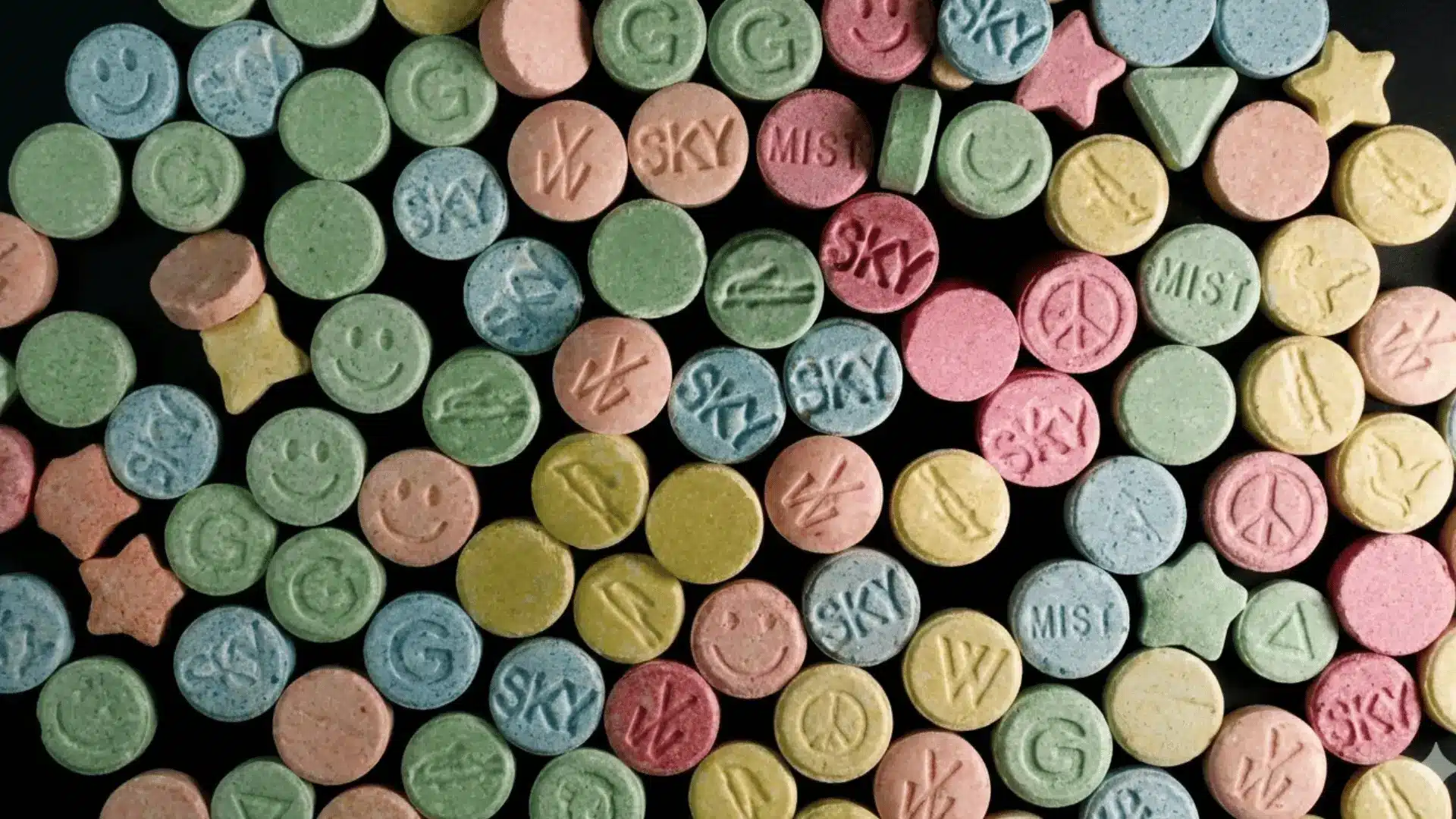
MDMA is a stimulant drug that can also produce mild hallucinogenic effects, often linked to increased emotional sensitivity.
How it works: It increases serotonin, dopamine, and norepinephrine levels, affecting mood, energy, and perception. Hallucinogenic effects are possible at high doses but are not its defining characteristic. Most experiences center on mood elevation and sensory enhancement rather than fully formed false perceptions.
Duration: Effects typically last between 3 and 6 hours.
Risks: It can cause dehydration, overheating, and strain on the heart. Long-term use may lead to mood disorders, including depression and anxiety. Serotonin syndrome is a serious risk when MDMA is combined with SSRIs, MAOIs, or other serotonergic drugs.
5. Peyote (Mescaline)

Peyote is a small cactus that contains mescaline, a natural hallucinogenic compound used in traditional and cultural settings for its mind-altering effects.
How it works: Mescaline affects serotonin receptors in the brain, which play a role in perception, mood, and thinking. This leads to visual distortions, enhanced colors, and altered awareness.
Duration: Effects usually begin within 1 to 2 hours and can last between 10 and 12 hours, depending on the dose.
Risks: It often causes nausea and vomiting, especially in the early stages. The long duration can make distressing experiences feel overwhelming, particularly if the user feels anxious or unprepared.
Mescaline is a Schedule I controlled substance in the US; peyote use is legal within Native American Church ceremonies.
6. Salvia Divinorum

Salvia divinorum is a plant known for producing extremely intense but short-lasting hallucinogenic effects, often very different from other substances.
How it works: Unlike most hallucinogens, salvia acts primarily as a kappa opioid receptor agonist rather than a serotonin receptor agonist. It affects specific brain receptors linked to perception and awareness, leading to sudden and strong changes in how reality is experienced.
Duration: Effects usually begin within seconds and last about 5 to 10 minutes, though the experience may feel longer.
Risks: It can cause confusion, fear, and loss of awareness. The sudden, total loss of situational awareness is the primary safety risk: users can fall, walk into traffic, or engage in dangerous behavior with no awareness of their surroundings. Users may not understand their surroundings, which can lead to unsafe or risky behavior during the experience.
7. Ketamine

Ketamine is a medical anesthetic used in controlled settings, but it can also produce dissociative hallucinations and a strong sense of detachment from reality.
How it works: It blocks NMDA receptors in the brain, disrupting communication between brain cells and creating a disconnected or out-of-body feeling.
Duration: Effects typically begin quickly and last between 1 to 2 hours, though some after-effects may linger longer.
Risks: It can lead to addiction, memory problems, and long-term physical issues such as bladder damage. Repeated use increases the risk of both mental and physical health complications. Ketamine-induced uropathy is a specific and serious complication from heavy recreational use that can become irreversible and require surgical intervention.
8. Ayahuasca

Ayahuasca is a plant-based brew that contains DMT and is traditionally used in certain cultural and spiritual practices.
How it works: It affects brain chemistry by altering serotonin levels, leading to intense visual experiences, emotional responses, and big changes in perception.
Duration: Effects usually begin within 30 to 60 minutes and can last between 4 and 6 hours.
Risks : It often causes strong physical reactions such as vomiting. The combination of DMT and MAOIs in ayahuasca creates a serious drug interaction risk with SSRIs, SNRIs, certain antibiotics, and some pain medications.
These interactions can trigger hypertensive crisis or serotonin syndrome, both of which are medical emergencies. It can also interact dangerously with medications, especially antidepressants, and may lead to overwhelming psychological experiences.
9. Datura

Datura is a highly toxic plant known for causing strong hallucinations and severe confusion, often very different from other hallucinogens.
How it works: Datura blocks muscarinic acetylcholine receptors throughout the body and brain, producing true delirium: the person cannot distinguish what is real from what is not, experiences hallucinations they believe completely, and typically loses memory of the episode. It disrupts normal brain function by affecting neurotransmitters, leading to delirium and an inability to tell what is real.
Duration: Effects can last 12 to 24 hours or longer, depending on the amount consumed.
Risks: It is extremely dangerous, even in small doses. Physiological effects include racing heart, inability to urinate, hyperthermia, dry skin, and seizures. Deaths are documented. There is no reliable way to control the dose from the plant itself. It can cause poisoning, severe confusion, and life-threatening conditions, often requiring emergency medical care.
10. PCP (Phencyclidine)

PCP is a synthetic drug originally developed as an anesthetic but later discontinued due to its severe side effects.
How it works: It disrupts brain signals related to perception, mood, and behavior, often leading to dissociation and altered awareness.
Duration: Effects can last several hours and sometimes longer, depending on the dose and method of use.
Risks: It can cause violent or unpredictable behavior, confusion, seizures, and serious health complications. PCP is associated with extreme agitation and a dramatically impaired ability to feel pain, which can result in serious self-injury without awareness.
PCP-induced psychosis can persist for days or weeks and may be difficult to distinguish clinically from schizophrenia. Long-term use may lead to lasting brain and mental health issues.
11. Mephedrone (4-MMC)

Mephedrone is primarily a stimulant. Hallucinations are a rare side effect rather than a defining characteristic, and it is not clinically classified as a hallucinogen.
How it works: It increases levels of certain brain chemicals that affect mood, energy, and alertness, leading to heightened sensations.
Duration: Effects usually begin quickly and last between 2 and 4 hours.
Risks: It can lead to addiction, heart problems, and anxiety. Repeated use may increase the risk of long-term mental health issues and physical complications.
12. Dextromethorphan (DXM)

Dextromethorphan, or DXM, is a common cough suppressant found in many over-the-counter medicines that can cause hallucinations in high doses.
How it works: It blocks NMDA receptors similarly to ketamine, affecting brain receptors that control perception and awareness, leading to dissociative and hallucinogenic effects when misused.
Duration: Effects usually last around 4 to 6 hours, depending on the dose.
Risks: High doses can cause confusion, dizziness, and vomiting . Most OTC cough medicines combine DXM with other ingredients such as acetaminophen, antihistamines, or guaifenesin that become toxic at the doses needed to produce hallucinations. Acetaminophen overdose causes liver failure; antihistamine overdose can cause dangerous cardiac arrhythmias.
It may also lead to serious health problems, including liver damage, when combined with other ingredients. Serotonin syndrome is a risk when DXM is combined with antidepressants.
13. LSD Analogues (ALD-52, 1P-LSD)

LSD analogues are synthetic substances designed to mimic the effects of LSD while sometimes avoiding legal restrictions.
How it works: They act on similar brain receptors as LSD, altering perception, mood, and sensory experiences.
Duration: Effects usually begin within an hour and can last between 8 and 12 hours.
Risks: Because there is limited research, long-term safety is not well understood. The lack of regulation increases the risk of unknown side effects and inconsistent strength.
Prescription and Over-the-Counter Drugs That Can Also Cause Hallucinations
One of the most underrecognized aspects of drug-induced hallucinations is how often they are caused by prescription medications rather than recreational substances. This is particularly relevant for older adults on multiple medications, who are more sensitive to central nervous system effects.
- Dopamine agonists (pramipexole, ropinirole, used for Parkinson’s disease): Directly stimulate dopamine pathways. Hallucinations are a recognized, documented side effect, particularly at higher doses.
- Anticholinergic medications (scopolamine, some antihistamines, tricyclic antidepressants): Block muscarinic acetylcholine receptors similarly to datura but at lower doses. Older adults are particularly sensitive.
- Corticosteroids (prednisone, dexamethasone): Especially at high doses or with rapid dose changes. Steroid-induced psychiatric effects can include hallucinations and psychosis.
- Sleep medications (z-drugs such as zolpidem, orexin antagonists): Associated with hallucinations at the boundary of waking and sleep, and in some cases complex behavior with no memory of it.
- Some antibiotics (fluoroquinolones, cephalosporins): Hallucinations and vivid nightmares are documented side effects, more common when multiple medications are taken simultaneously.
- First-generation antihistamines (diphenhydramine): At high doses, anticholinergic effects can produce confusion and hallucinations. Risk increases when multiple products containing these antihistamines are combined.
If you experience hallucinations while taking a prescription medication, do not stop the medication abruptly without contacting your prescriber. Report the symptom for a medication review.
Long-Term Effects: HPPD, Drug-Induced Psychosis, & Serotonin Syndrome
Hallucinogen Persisting Perception Disorder (HPPD)
HPPD is a condition in which visual disturbances continue after hallucinogen use has ended, sometimes indefinitely. Symptoms include visual snow, trailing behind moving objects, halos around lights, and geometric patterns in peripheral vision. HPPD is most commonly associated with LSD but has been reported with psilocybin, MDMA, and other hallucinogens. There is currently no established cure, though some medications may reduce symptom intensity.
Drug-Induced Psychosis
Hallucinogens, stimulants, and cannabis can all trigger psychotic episodes that persist beyond the acute drug effect. This risk is significantly higher for individuals with a personal or family history of psychosis, schizophrenia, or bipolar disorder. LSD, amphetamines, and PCP carry particular risk in predisposed individuals.
Serotonin Syndrome
Serotonin syndrome is a potentially life-threatening reaction that occurs when serotonin levels in the nervous system become dangerously elevated. It is a specific risk when serotonergic hallucinogens (LSD, psilocybin, DMT, MDMA, ayahuasca) are combined with SSRIs, SNRIs, MAOIs, tramadol, or certain antibiotics. Symptoms include agitation, confusion, rapid heart rate, high blood pressure, muscle rigidity, and in severe cases, seizures. If serotonin syndrome is suspected, call emergency services immediately.
Tolerance and Dependence
Classic hallucinogens (LSD, psilocybin, mescaline) develop tolerance rapidly with repeated consecutive use, reversing after several days of abstinence. Physical dependence and withdrawal are not well-documented for classic hallucinogens. Ketamine and PCP can produce physical dependence with withdrawal symptoms. Psychological dependence can develop with any hallucinogen.
Legal Aspects of Hallucinogens
Most hallucinogenic drugs are illegal across the United States, Europe, and many other countries worldwide. In the US, substances like LSD, psilocybin, DMT, and PCP are classified as Schedule I drugs, meaning the government considers them highly dangerous with no accepted medical use.
However, laws are slowly changing. Some states have decriminalized psilocybin mushrooms, and ketamine is now legally prescribed for depression. Cannabis rules vary widely by location.
One thing stays the same everywhere: manufacturing, selling, or possessing most hallucinogens carries serious legal penalties , including prison time, even if you thought the substance was natural or harmless.
When Hallucinations Become Dangerous
Hallucinations are not always just strange and confusing; sometimes they cross a line into serious danger, and knowing these warning signs can save a life:
- Persistent hallucinations: Visions or voices that refuse to stop even hours after drug use are a serious medical emergency.
- Severe paranoia: Feeling intensely convinced that people are out to hurt you is a dangerous sign that the brain has lost control.
- Inability to distinguish reality: When a person cannot tell what is real from what is not, immediate professional help is needed.
- Self-harm risk: Any thoughts or urges to hurt oneself during or after hallucinations must never be ignored or waited out.
- Extreme emotional breakdown: Uncontrollable crying, screaming, or shutting down completely signals the brain is in serious distress.
Never wait for these warning signs to pass on their own. Call emergency services immediately and get the person to safety.
Call 911 immediately if someone shows any of the following:
- Hallucinations continuing many hours after the expected duration of the drug’s effects
- Severe confusion or inability to recognize people or surroundings
- Seizures or convulsions
- High fever, rigid muscles, or uncontrolled tremors (possible serotonin syndrome)
- Racing heartbeat, chest pain, or difficulty breathing
- Any signs of self-harm or harm to others
- Suicidal thoughts or behavior
- Loss of consciousness
Do not leave the person alone. Tell emergency responders what substance was taken and when, if known. This information directly affects the medical response.
Summing Up
Now you have a clear understanding of what drugs make you hallucinate, how they affect the brain, and why their effects can be so unpredictable. I explained what drugs make you hallucinate, the science behind these experiences, and the risks linked to different substances.
When you understand what drugs make you hallucinate, you are better prepared to recognize warning signs and make safer decisions for yourself or others. These effects may seem confusing, but the risks behind them are real and should not be ignored.
If this helped you, share it with someone who might need it. You can also share your thoughts or questions to help others learn more about this topic.


