Some questions don’t come from nowhere. One that often comes up is, how long does acid stay in your urine?
I remember standing in front of my screen, searching that exact phrase, not just to see numbers, but to understand what they really meant.
I wanted facts I could trust, simple ones. Not medical jargon. Not confusing charts. Just something that made sense and gave me peace of mind.
If you’re in that same place right now, you’re not overthinking it. You’re just being careful.
In this blog, you’ll learn how long LSD (acid) can show up in your urine, what affects that timeline, how drug tests work, and what you should know if this is on your mind today.
Why People Care About How Long LSD Stays in the Body
Knowing how long LSD shows up in a urine test isn’t just a random question. There’s usually a reason behind it. Some people ask because they have a drug test coming up for work or are going through a background check.
Others might be on probation or involved in a legal case where staying clean is part of the rules. Medical professionals might ask during evaluations to better understand someone’s health or history.
And sometimes, it’s just personal, wanting to know what’s still in your system and for how long.
It also matters whether someone used LSD once or often. A single use might leave the body faster, while frequent use could stretch that timeline.
That’s because the body builds up traces over time. So, the answer isn’t the same for everyone. That’s why it’s important to look at the full picture, not just the average.
How Long Does Acid Stay in Your Urine
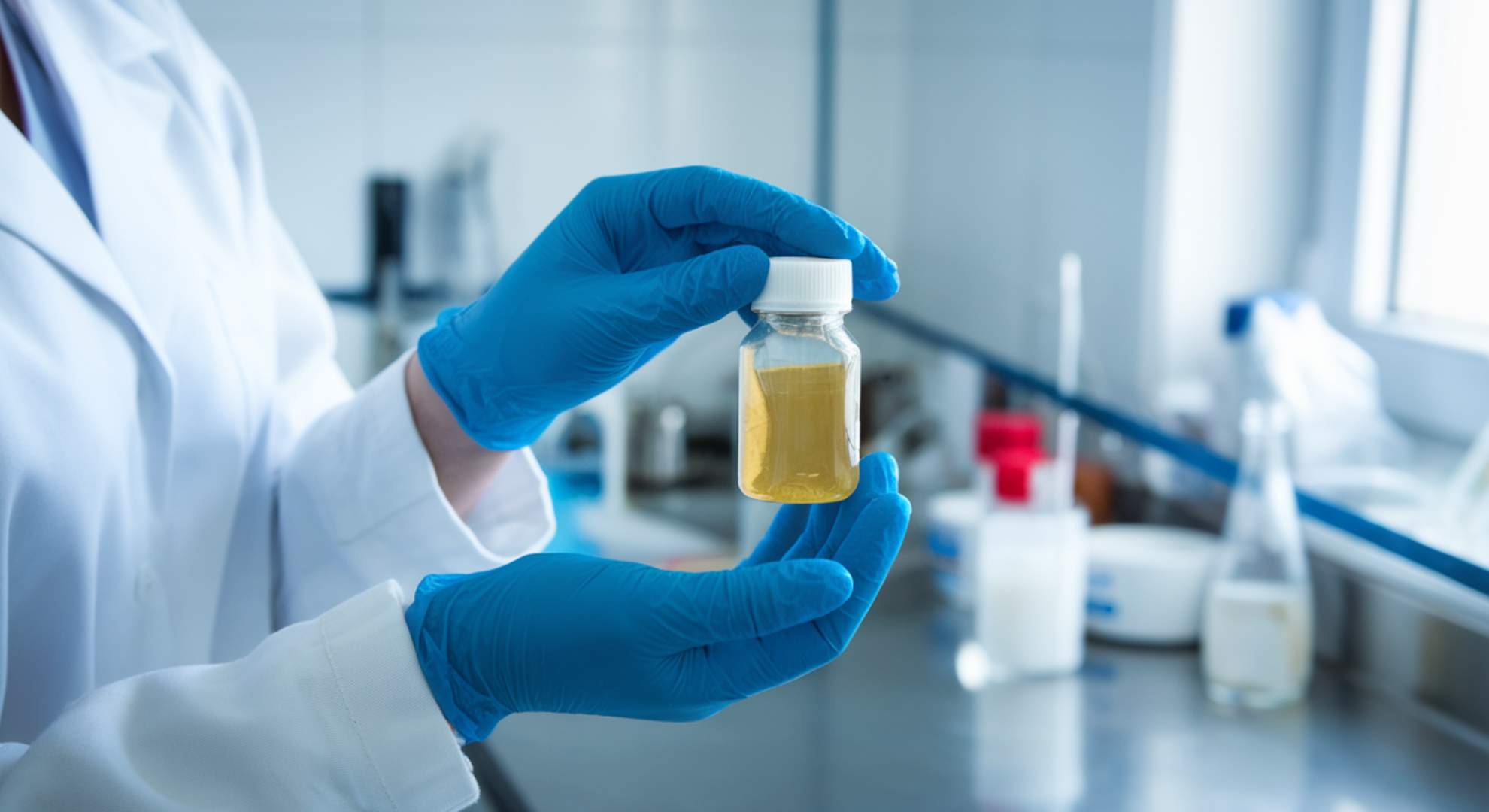
So, you’re wondering exactly how long does acid stay in your urine? Before we get into the details, it helps to know that the answer isn’t one-size-fits-all. Let’s break it down clearly and simply:
Average Detection Window
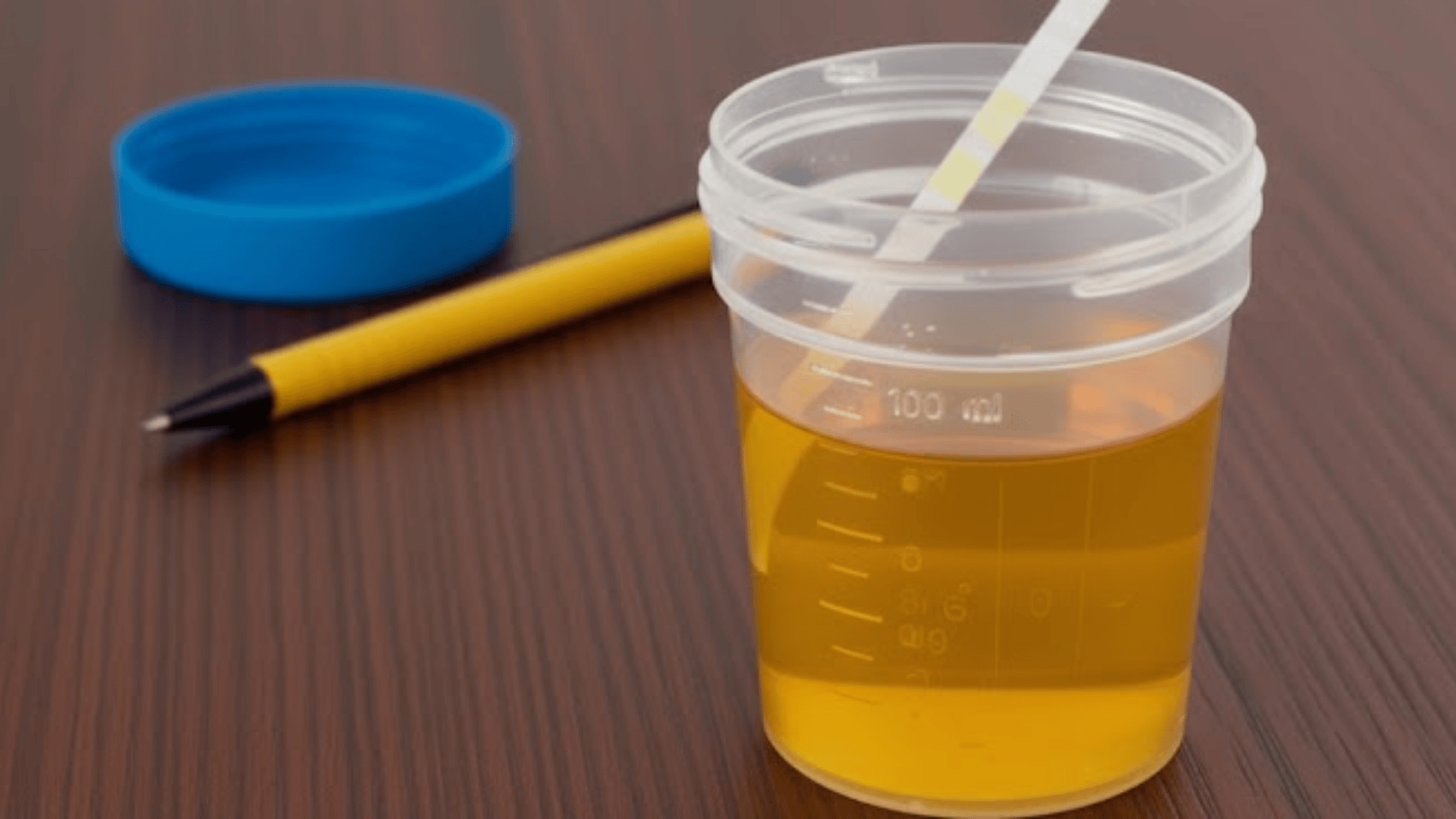
In most cases, LSD (acid) can be found in your urine for 1 to 5 days after the last time you used it. But this window isn’t the same for everyone.
If someone uses LSD only once, their body is likely to clear it out faster. On the other hand, if someone uses it often or in higher amounts, tiny bits of the drug may stay around a little longer.
Your age, weight, how well your liver and kidneys work, and even how much water you drink can affect how fast LSD leaves your system.
So while 1–5 days is the usual range, it’s not a guarantee. Some people might fall just outside that range depending on their situation.
Why Most Drug Tests Don’t Detect LSD
Here’s something most people don’t know: standard drug tests don’t usually check for LSD. That’s because LSD is taken in such small amounts, measured in micrograms, that it’s hard to find.
On top of that, your body breaks it down quickly. These two facts make it really tricky for regular tests to catch.
Most workplace or legal drug tests are designed to detect more common substances like marijuana, opioids, or cocaine.
LSD simply isn’t a priority in those basic screenings. To catch it, labs would need to run specialized tests that are more expensive and not commonly used unless there’s a clear reason to do so.
What Specialized Tests Look For
If LSD is being tested, labs use something called liquid chromatography–mass spectrometry (LC-MS). It’s a long name, but it basically means they’re using a very sensitive machine to look for tiny pieces of LSD or the substances it breaks down into, called metabolites.
One of the main ones is called 2-oxo-3-hydroxy-LSD (O-H-LSD).
These kinds of tests are super accurate but also costly and time-consuming. That’s why they’re not part of regular screenings.
Most employers, schools, or probation offices won’t bother with them unless there’s a strong reason, like a specific request from law enforcement or a doctor.
So, while it is possible to detect LSD in urine, it takes a lot more work than most people think.
What Happens to LSD in Your Body

Once LSD enters your body, it gets to work fast. It passes through your stomach, enters your blood, and spreads throughout your system.
From there, your liver steps in to break it down. That’s where most of the changes happen.
Your body doesn’t just flush out LSD as-is. Almost all of it gets changed into different forms first. One of the key ones is called 2-oxo-3-hydroxy-LSD.
It’s these changed forms that might stay in your body a bit longer and they’re what advanced lab tests try to find.
How quickly your body handles this process isn’t the same for everyone.
Things like how fast your body works, how much water you drink, and your overall body size can make a big difference. These small details shape how long traces of LSD might stick around.
Where Else Can LSD Show Up?
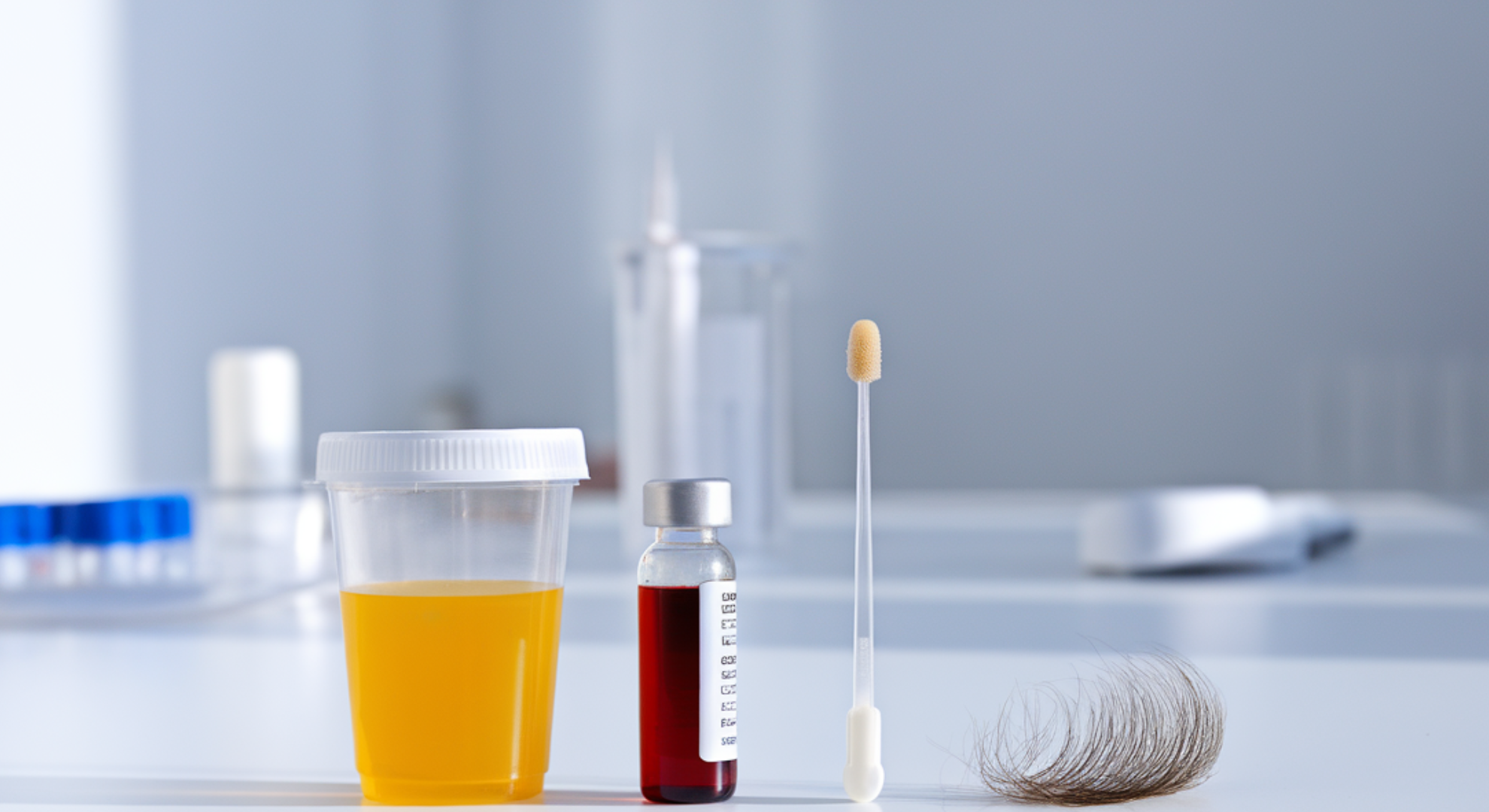
LSD doesn’t just show up in urine, it can sometimes be found in other parts of the body too.
But just like with urine, detection depends on how and when the testing is done. Here’s how it works across different types of drug tests:
Blood Tests
LSD can be found in your blood for up to 24 hours after use. Blood tests are most useful when checking for very recent use.
Because LSD moves through the body quickly, the window for catching it in blood is short. These tests are usually done in hospitals or during legal investigations—not in everyday situations.
Saliva Tests
Saliva can show traces of LSD for around 8 to 16 hours after taking it. But saliva tests aren’t used much for LSD.
That’s because they aren’t sensitive enough to pick up such small amounts. Unless testing is done soon after use, the drug likely won’t show up at all.
Hair Tests
LSD may show up in hair for up to 90 days, but there’s a catch. LSD is taken in tiny doses, so even if someone used it, there might not be enough in their hair to detect.
Because of this, hair tests aren’t very reliable for LSD and are rarely used.
So while it’s technically possible to detect LSD through different methods, most of these tests have limits. They either need perfect timing, better equipment, or just aren’t practical for routine use.
Factors That Influence How Long LSD Stays in Your Urine
How long LSD stays in your system isn’t the same for everyone. A few key things can change how fast your body breaks it down and gets rid of it.
These details matter, especially when trying to guess if LSD might still show up on a test.
Here are the main factors that affect detection time:
- Dosage and frequency of use: Higher or repeated doses can stay in your system longer.
- Metabolism rate and liver health: A fast-working body or strong liver clears it out quicker.
- Body mass and age: Larger body size or older age may slow down processing.
- Hydration and urine pH: Drinking more water and having balanced pH levels can help flush it out.
- Drug purity: Impure LSD might take longer to process, depending on what it’s mixed with.
- Co-use with other substances: Taking other drugs at the same time can affect how LSD is broken down.
These factors can shift the timeline by hours or even days. That’s why no single answer works for everyone.
When to Seek Help or Guidance
If you’re feeling worried about drug testing or how LSD use might affect your life, that’s a signal worth paying attention to.
Feeling anxious, unsure, or even just curious about how your choices could impact your health or future isn’t a weakness, it’s awareness.
Sometimes, the concern goes beyond just passing a test. If substance use is becoming a source of stress or confusion, it might be time to talk to someone.
You don’t have to go through it alone. Support is out there: from therapists to free, confidential help lines like SAMHSA (1-800-662-HELP) and NIDA.
This isn’t about judgment. It’s about staying safe, protecting your mental health, and making informed choices that work for your life.
This blog is for informational purposes only and is not meant to give medical, legal, or professional advice. The content is based on general research and may not apply to every individual or situation. Always speak with a healthcare provider, legal expert, or certified professional for advice that fits your specific needs. Never make health or legal decisions based solely on online information.
Conclusion
Learning how long does acid stay in your urine helped me see that this kind of stuff isn’t just about science—it’s about understanding how things really work in your body.
Once I broke it down, things felt less confusing. I realized how much small things—like water intake, timing, or even test types, can change what shows up and when. Knowing that gave me peace of mind.
Now it’s your turn to think about what this means for you. Use this info to make smart choices, stay prepared, or just clear up what’s been on your mind.
If you’re ever unsure, ask questions or reach out for help, there’s no shame in that.
And if this helped you, there’s more like it. Take a look at the other blogs for simple, honest answers you can use!