Have you heard people use strange code words for drugs and thought about what they actually mean? You might be curious about Barbiturates’ street names and why these substances have so many different nicknames.
I’m here to help you understand the slang terms used for these dangerous drugs. Street names exist to hide illegal drug conversations from authorities and parents.
Knowing these terms helps you recognize when someone might be talking about drug use. Each nickname tells a story about the drug’s appearance or effects.
Understanding Barbiturates’ street names keeps you informed and aware of potential dangers around you. Let’s see what these code words really mean.
This information is for educational purposes only and is not intended to encourage drug use. Always consult healthcare professionals for medical advice and substance abuse treatment.
Barbiturates: A Basic Overview
Barbiturates are a type of drug that slows down your central nervous system. They make you feel relaxed, sleepy, or calm. Doctors used to prescribe them often for anxiety, sleep problems, and seizures.
They work by affecting chemicals in your brain that control how alert or relaxed you feel. Today, doctors rarely prescribe Barbiturates anymore. This is because they’re very dangerous and highly addictive.
Safer medications like benzodiazepines have mostly replaced them. However, some Barbiturates are still used in hospitals for anesthesia during surgery. They’re also occasionally prescribed for severe seizure disorders that don’t respond to other treatments.
Because of their high risk, Barbiturates are now classified as controlled substances with strict regulations.
Why Barbiturates Have So Many Street Names?
Barbiturates have collected many street names over the years for different reasons. The main purpose of slang is to hide drug conversations from law enforcement and authority figures.
People use code words so they can talk about buying or selling drugs without getting caught. Understanding what street drugs are, such as barbiturates, helps you recognize these conversations. These nicknames also come from the drug culture of past decades.
Barbiturates were extremely popular in the fifties, sixties, and seventies. Movies, music, and social groups created and spread these colorful names. Each generation added its own terms based on how the pills looked or felt.
The street names stuck around even as barbiturate use declined. Today, these nicknames still help identify when someone is talking about these dangerous drugs.
Common Barbiturates and Their Street Names
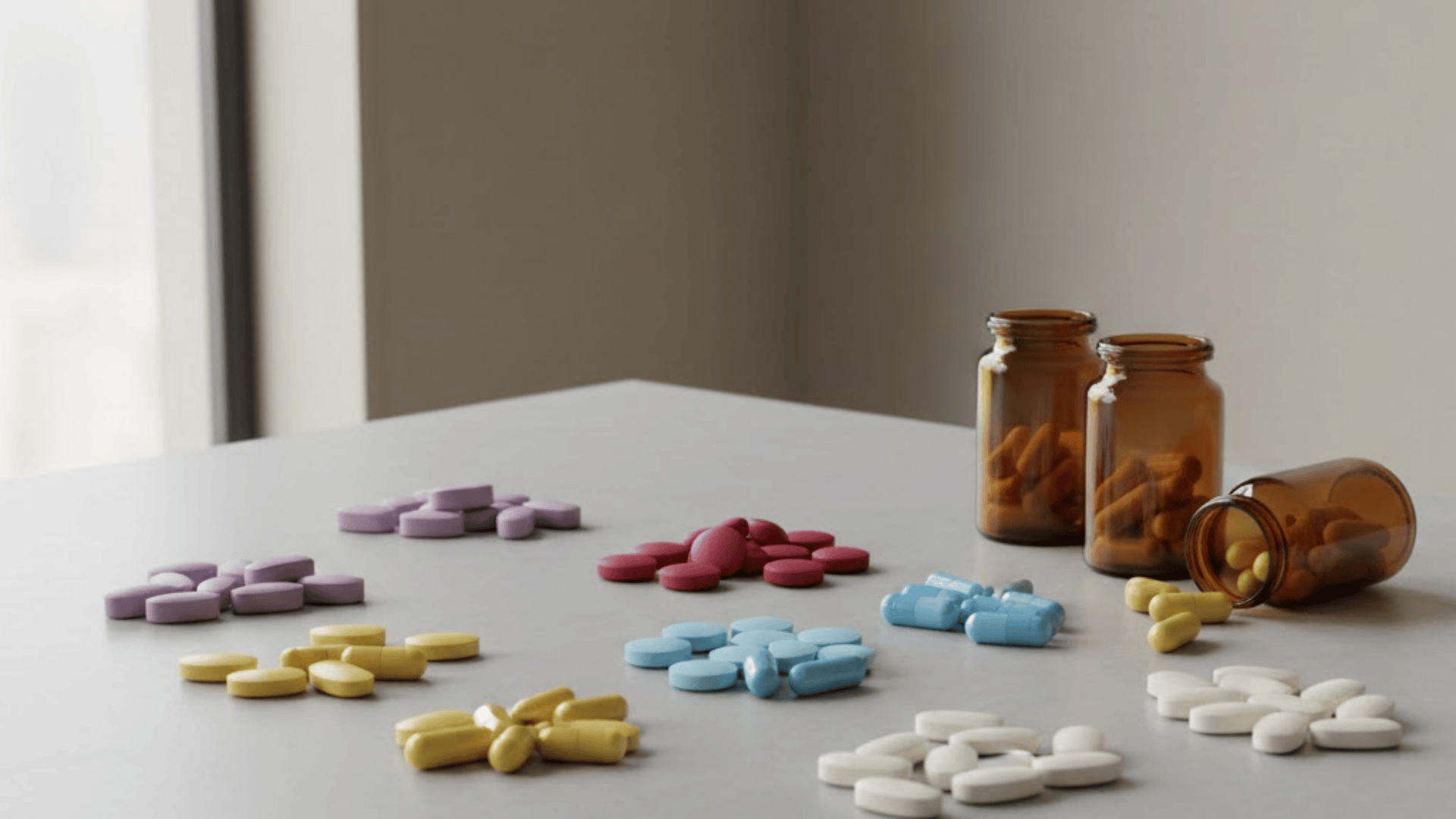
I want to make sure you know that different Barbiturates have distinct street names based on their color, effects, or brand names. Understanding these slang terms helps you recognize when someone might be talking about or using these dangerous drugs:
1. Phenobarbital Street Names
Phenobarbital is one of the older Barbiturates still prescribed today for seizure control. You should know these common street names:
- Purple hearts: This nickname comes from the purple color of some phenobarbital tablets sold on the street.
- Phennies: A shortened, casual slang term that drug users commonly use when referring to phenobarbital.
- Barbs: A general street name for all Barbiturates, but frequently used specifically for phenobarbital.
Phenobarbital is usually found in pill or capsule form when sold illegally. Users often crush and swallow the pills to achieve faster sedative effects.
2. Secobarbital Street Names
Secobarbital was once widely prescribed for insomnia but is now highly controlled due to abuse. Look out for these most recognized street names:
- Reds or red devils: These names refer to the distinctive red color of secobarbital capsules.
- Seggies: A casual slang term derived from shortening the drug’s pharmaceutical name.
- Downers: A general term for sedatives, but commonly associated with secobarbital due to its powerful calming effects.
Secobarbital gained popularity in the street drug scene during the mid-twentieth century. It remains one of the most dangerous Barbiturates due to its high potency and overdose risk.
3. Amobarbital Street Names
Amobarbital is a medium-acting barbiturate that was used for anxiety and sleep disorders. Watch for these street names associated with it:
- Blue heavens or blue devils: These nicknames come from the blue color of amobarbital capsules.
- Blue birds or bluebirds: Another color-based slang term referencing the drug’s distinctive blue appearance.
- Amy’s: A shortened, informal street name derived from the drug’s actual pharmaceutical name.
Amobarbital is less common on the street today but still appears occasionally. Users seek it for its relaxing and euphoric effects similar to alcohol intoxication.
4. Pentobarbital Street Names
Pentobarbital has both human and veterinary medical uses, which increases its availability for misuse. Know these commonly used street names:
- Yellow jackets or yellows: These names reference the yellow color of pentobarbital capsules commonly seen.
- Nembies or nembutal: Street terms derived from Nembutal, which is pentobarbital’s brand name.
- Abbots: An older slang term referring to the pharmaceutical company that originally manufactured pentobarbital.
Pentobarbital is particularly dangerous because it’s also used in veterinary medicine for animal euthanasia. Some people steal it from veterinary clinics, increasing the risk of fatal overdoses.
5. Butalbital Street Names
Butalbital is commonly found in combination medications used to treat tension headaches and migraines. Be aware of these street names:
- Buties or butis: Shortened slang terms derived directly from the drug’s pharmaceutical name, butalbital.
- Headache pills: A deceptive nickname used because butalbital is legitimately prescribed for headache relief.
- Combo pills: Referenced because butalbital is typically combined with acetaminophen or aspirin in prescription medications.
Butalbital is often misused by people who initially received legitimate prescriptions for headaches. Users may take higher doses than prescribed or combine it with alcohol to enhance sedative effects.
How Barbiturates are Used on the Street?
Understanding how Barbiturates are misused helps you recognize the dangers and warning signs in real-life situations. People who abuse these drugs put themselves at serious risk in multiple ways:
| Form | Description | Common Misuse | Risk Level |
|---|---|---|---|
| Pills | Solid tablets in various colors | Crushed and swallowed or dissolved in liquid | High |
| Capsules | Powder inside gelatin shells | Opened and powder taken directly or mixed with drinks | Very High |
| Liquids | Injectable or oral solutions | Injected or consumed orally for faster effects | Extremely High |
| Mixed with Alcohol | Combined with beer, wine, or liquor | Both substances slow breathing and can cause death | Life-threatening |
| Mixed with Other Depressants | Combined with opioids or benzodiazepines | Multiple depressants multiply the dangerous effects on the body | Fatal |
Mixing Barbiturates with other substances dramatically increases the risk of overdose and death. Even small amounts combined with alcohol or other drugs can stop your breathing completely.
Effects and Risks of Barbiturate Use
I want you to understand that Barbiturates affect your body both immediately and over time in seriously harmful ways. Here’s what happens when someone uses these dangerous drugs:
Short-Term Effects

Barbiturates cause immediate changes in your body and mind that can be extremely dangerous. These effects happen quickly after taking the drug:
- Extreme drowsiness: You feel overwhelmingly tired and may fall asleep unexpectedly, even in dangerous situations like driving.
- Impaired coordination: Your balance, reflexes, and motor skills become compromised, making it hard to walk or perform simple tasks.
- Slowed breathing: Your respiratory system slows down significantly, which can lead to oxygen deprivation and sudden overdose death.
These short-term effects put you at immediate risk of accidents, injuries, and life-threatening situations. Even a single use can result in a fatal overdose, especially when combined with other substances.
Long-Term Risks

Continued barbiturate use causes serious damage to your body and brain over time. The long-term consequences can be permanent and devastating:
- Physical dependence: Your body becomes completely dependent on the drug, and quitting without medical help can cause dangerous withdrawal symptoms.
- Memory problems: Long-term use damages brain cells, leading to memory loss, confusion, and difficulty thinking clearly.
- Increased overdose risk: Your tolerance builds over time, requiring higher doses to feel effects, but the lethal dose stays the same.
The longer you use Barbiturates, the harder it becomes to quit safely without professional medical support. Overdose becomes more likely with each use as your body deteriorates.
Are Barbiturates Still Prescribed Today?
Yes, Barbiturates are still prescribed today, but very rarely. Doctors have mostly stopped using them because safer medications are now available. Benzodiazepines and other modern drugs work better with fewer dangerous side effects.
However, some specific medical situations still require Barbiturates. Doctors may prescribe them for severe seizure disorders that don’t respond to any other treatments.
They’re also used in hospitals for anesthesia during certain surgeries. Some emergency situations involving brain swelling may call for Barbiturates, too.
Even when prescribed legally, Barbiturates come with strict rules and careful monitoring. Doctors only use them as a last resort when nothing else works. The risks are simply too high for routine medical use anymore.
Legal Status of Barbiturates
Barbiturates are classified as controlled substances in most countries, including the United States. According to the Drug Enforcement Administration, Barbiturates are scheduled as Schedule II, III, or IV drugs depending on their potency.
This means you need a valid prescription from a doctor to legally possess them. Having Barbiturates without a prescription is illegal and can lead to serious consequences. You could face criminal charges, fines, and even jail time depending on the amount and your location.
Selling or distributing Barbiturates without proper authorization carries even harsher penalties. Law enforcement treats illegal barbiturate possession very seriously.
The strict legal controls exist because these drugs are highly dangerous and addictive. Even with legal consequences aside, using Barbiturates illegally puts your health and life at extreme risk.
That’s a Wrap
I hope learning about Barbiturates’ street names helps you stay informed and recognize dangerous situations when they arise. The slang terms people use reveal how drugs are hidden in plain sight through everyday conversations.
Staying educated about these nicknames protects you and helps you look out for people you care about. Knowledge is your best tool for avoiding harmful substances and making smart choices.
Remember that Barbiturates remain extremely dangerous, no matter what nickname people use for them. Your awareness can make a real difference in keeping yourself and others safe.
Stay alert and trust your instincts when something feels wrong. What street names have you heard that worried you? Share your experiences in the comments below!